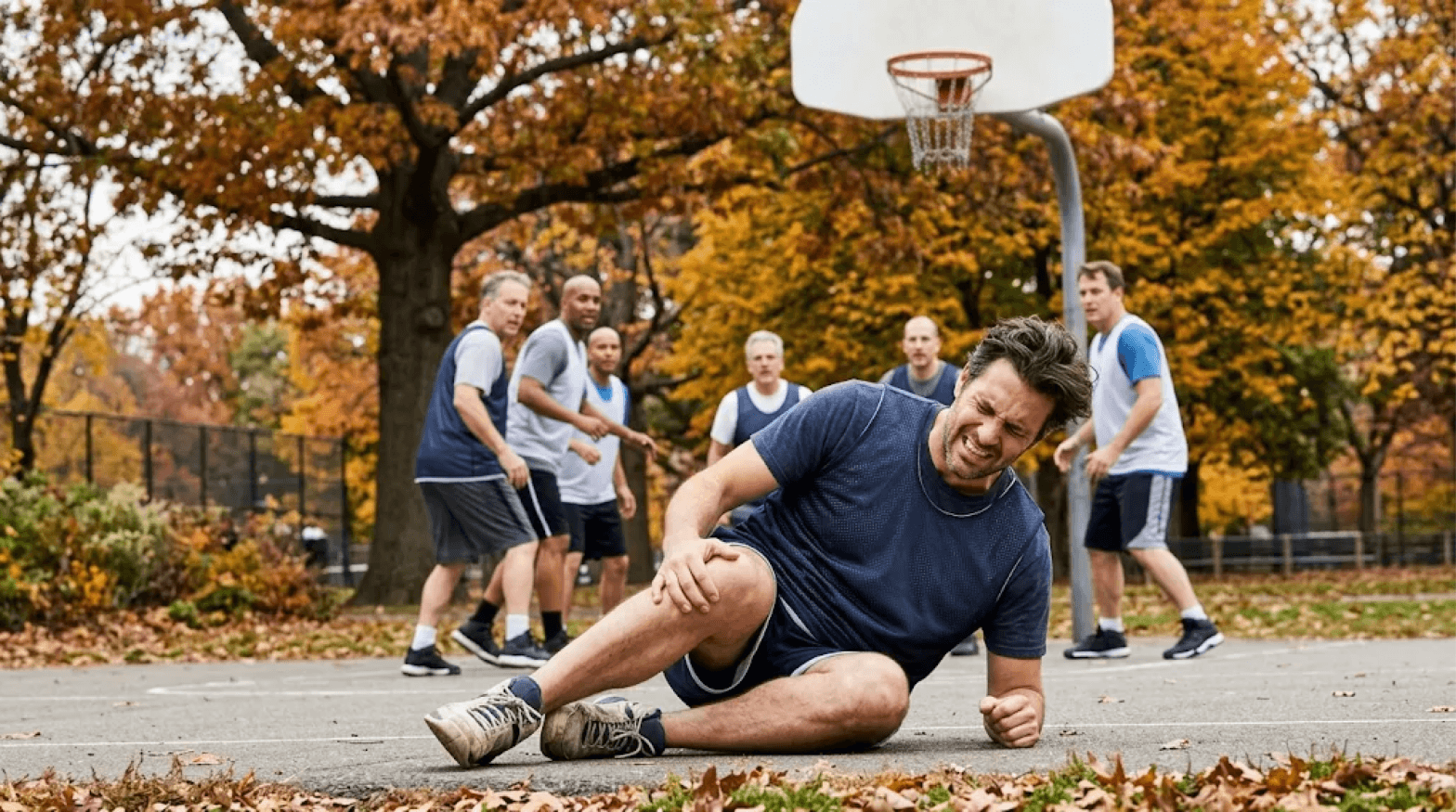
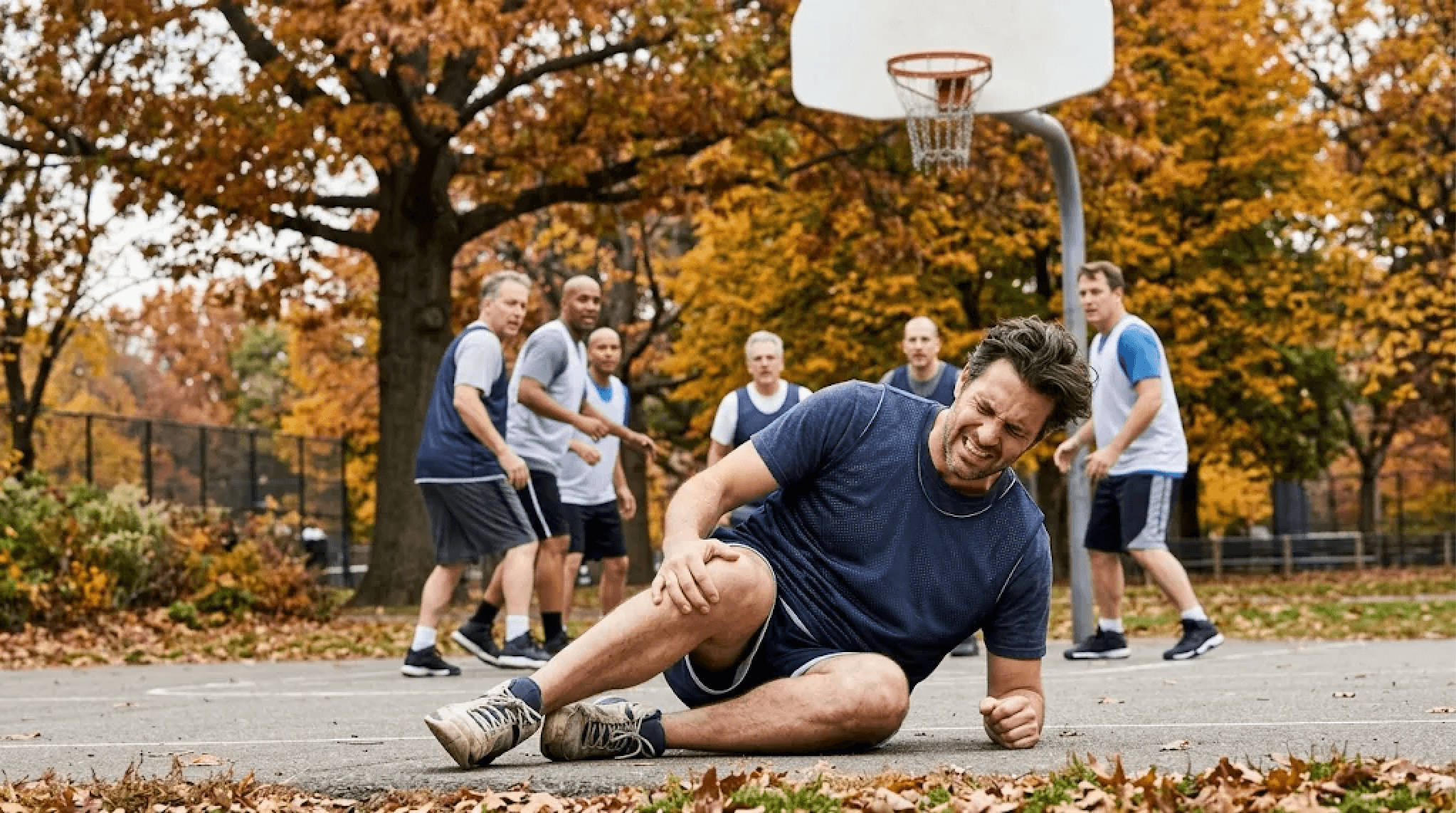
Whether you’re playing soccer, basketball, volleyball, skiing, or simply staying active, your knees play an important role in keeping you moving. One of the most common and serious knee injuries among athletes is an anterior cruciate ligament (ACL) tear. ACL injuries can lead to significant pain, swelling, instability, and time away from sports and everyday activities.
The good news? Although not all ACL injuries can be prevented, there are steps you can take to reduce your risk. With proper training, strengthening, and movement mechanics, physical therapy can play an important role in keeping your knees healthy and helping you stay active.
What Is an ACL Injury?
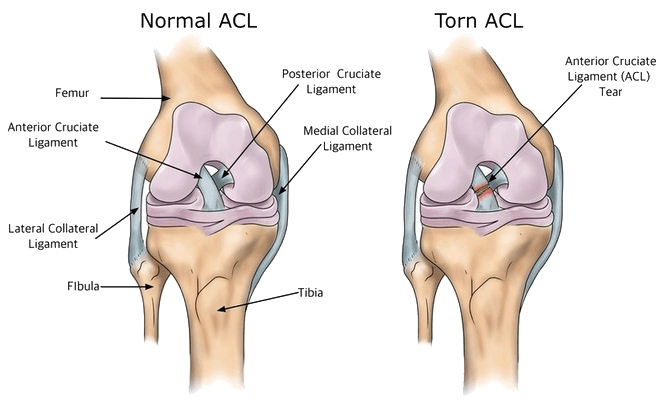
The anterior cruciate ligament (ACL) is one of four major ligaments in the knee. It connects the thighbone (femur) to the shinbone (tibia) and helps stabilize the knee by controlling forward movement and rotational forces.
ACL injuries commonly occur during activities that involve:
- Sudden stops or changes in direction.
- Pivoting or twisting while the foot is planted.
- Landing awkwardly from a jump.
- Sudden deceleration while running.
- Direct contact or collisions during sports.
Interestingly, many ACL injuries occur without direct contact with another player. Poor landing mechanics, inadequate strength, fatigue, and limited neuromuscular control can all contribute to increased stress on the knee.
5 Ways to Help Prevent an ACL Injury
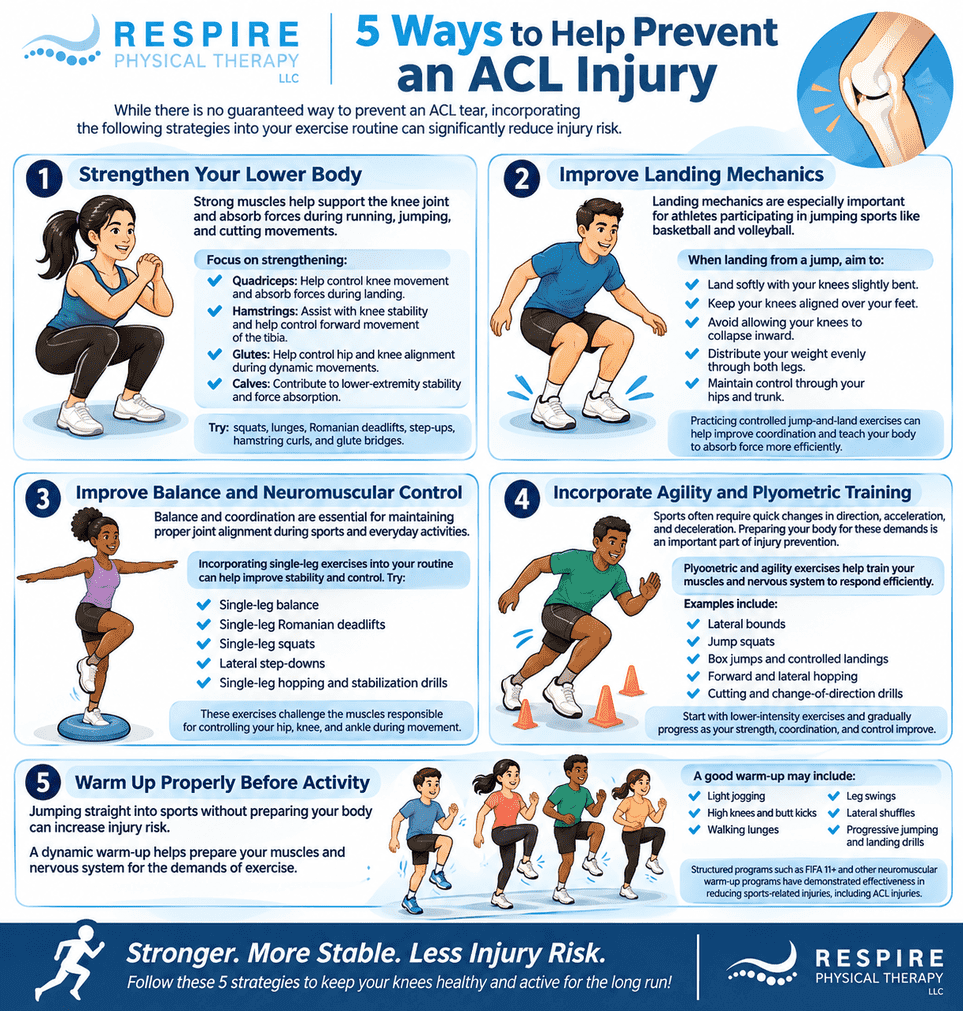
While there is no guaranteed way to prevent an ACL tear, incorporating the following strategies into your exercise routine can significantly reduce injury risk.
1. Strengthen Your Lower Body
Strong muscles help support the knee joint and absorb forces during running, jumping, and cutting movements.
Focus on strengthening:
- Quadriceps: Help control knee movement and absorb forces during landing.
- Hamstrings: Assist with knee stability and help control forward movement of the tibia.
- Glutes: Help control hip and knee alignment during dynamic movements.
- Calves: Contribute to lower-extremity stability and force absorption.
Some beneficial exercises include squats, lunges, Romanian deadlifts, step-ups, hamstring curls, and glute bridges.
2. Improve Landing Mechanics
Landing mechanics are especially important for athletes participating in jumping sports like basketball and volleyball.
When landing from a jump, aim to:
- Land softly with your knees slightly bent.
- Keep your knees aligned over your feet.
- Avoid allowing your knees to collapse inward.
- Distribute your weight evenly through both legs.
- Maintain control through your hips and trunk.
Practicing controlled jump-and-land exercises can help improve coordination and teach your body to absorb force more efficiently.
3. Improve Balance and Neuromuscular Control
Balance and coordination are essential for maintaining proper joint alignment during sports and everyday activities.
Incorporating single-leg exercises into your routine can help improve stability and control.
Try:
- Single-leg balance.
- Single-leg Romanian deadlifts.
- Single-leg squats.
- Lateral step-downs.
- Single-leg hopping and stabilization drills.
These exercises challenge the muscles responsible for controlling your hip, knee, and ankle during movement.
4. Incorporate Agility and Plyometric Training
Sports often require quick changes in direction, acceleration, and deceleration. Preparing your body for these demands is an important part of injury prevention.
Plyometric and agility exercises help train your muscles and nervous system to respond efficiently to dynamic movements.
Examples include:
- Lateral bounds.
- Jump squats.
- Box jumps and controlled landings.
- Forward and lateral hopping.
- Cutting and change-of-direction drills.
Start with lower-intensity exercises and gradually progress as your strength, coordination, and control improve.
5. Warm Up Properly Before Activity
Jumping straight into sports without preparing your body can increase injury risk.
A dynamic warm-up helps prepare your muscles and nervous system for the demands of exercise.
A good warm-up may include:
- Light jogging.
- High knees and butt kicks.
- Walking lunges.
- Leg swings.
- Lateral shuffles.
- Progressive jumping and landing drills.
Structured programs such as FIFA 11+ and other neuromuscular warm-up programs have demonstrated effectiveness in reducing sports-related injuries, including ACL injuries.
How Can Physical Therapy Help Prevent ACL Injuries?
Physical therapy is one of the most effective ways to address modifiable risk factors associated with ACL injuries. Rather than focusing on strength alone, physical therapists evaluate how the entire lower extremity moves and functions.
A physical therapist can develop an individualized program based on your sport, activity level, strength, mobility, and movement patterns.
1. Identify Movement Deficiencies
Your physical therapist can assess your:
- Squatting and landing mechanics.
- Hip, knee, and ankle alignment.
- Single-leg balance and stability.
- Strength and muscle imbalances.
- Jumping and cutting mechanics.
Identifying areas of weakness or poor movement control allows your therapist to create a targeted prevention program.
2. Develop a Customized Strengthening Program
Physical therapists prescribe exercises that improve quadriceps, hamstring, gluteal, and calf strength. Programs can be adjusted to address individual deficits and the specific physical demands of your sport.
3. Improve Jumping and Landing Mechanics
Your therapist can teach you how to land, jump, and change directions with better control. Video analysis and movement assessments may also be used to identify areas for improvement.
4. Progress Sport-Specific Training
Preventing injuries means preparing your body for the movements you perform during competition. Physical therapy programs can incorporate agility drills, plyometrics, acceleration, deceleration, and sport-specific movements.
5. Establish a Long-Term Injury Prevention Plan
Injury prevention should not stop once you finish physical therapy. Your therapist can help you develop a sustainable strength and conditioning routine to maintain your progress throughout the sports season and beyond.
When Should You See a Physical Therapist?
You don’t have to wait until you’re injured to benefit from physical therapy!
Consider scheduling an evaluation if you:
- Participate in sports involving jumping, pivoting, or cutting.
- Notice your knees collapsing inward during squats or landings.
- Experience difficulty balancing on one leg.
- Have a history of knee injuries.
- Want to improve your strength, agility, or athletic performance.
- Are returning to sports after an injury.
If you experience a sudden knee injury accompanied by a popping sensation, significant swelling, or instability, seek medical evaluation rather than attempting to train through it.
Protect Your Knees. Invest in Your Movement.
Don’t wait for an injury to start taking care of your knees! Whether you’re a competitive athlete or simply enjoy staying active, a physical therapist can help you build a foundation for healthy movement and long-term injury prevention. Call Respire Physical Therapy at the Annandale Location (571-369-6728) or the Falls Church Location (703-671-1871) to schedule an appointment with one of our skilled Physical Therapists today! Click here to request an appointment online and we will contact you as soon as possible.

Tags: fallschurchva, evidence based practice, knee pain, ptworks, acl pain, ACL, annandaleva, burkeva, painfreeliving, washingtondc, choosept, health blog, arlingtonva, post operative care, alexandriava, torn acl physical therapy, springfieldva, pt education, Physical Therapy, acl injury, prehabilitation, Respire Physical Therapy, sport injury, movement is medicine, physical therapist