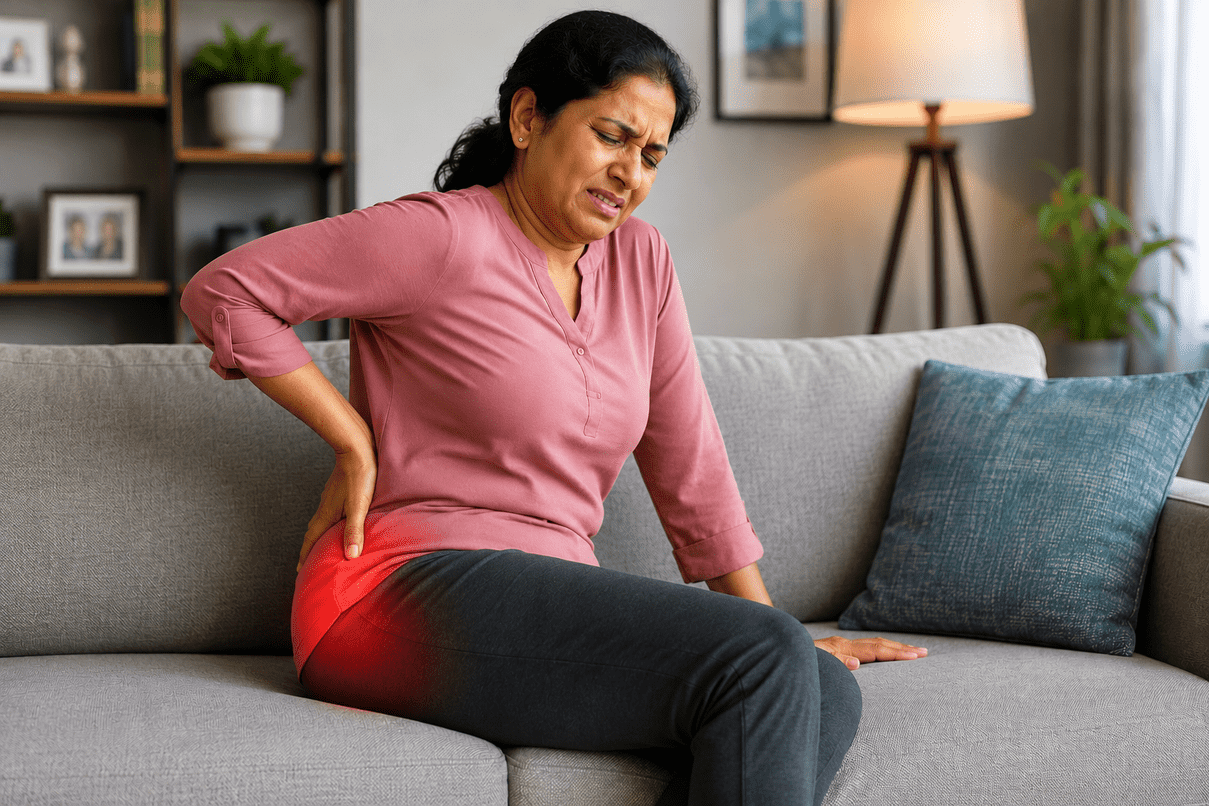
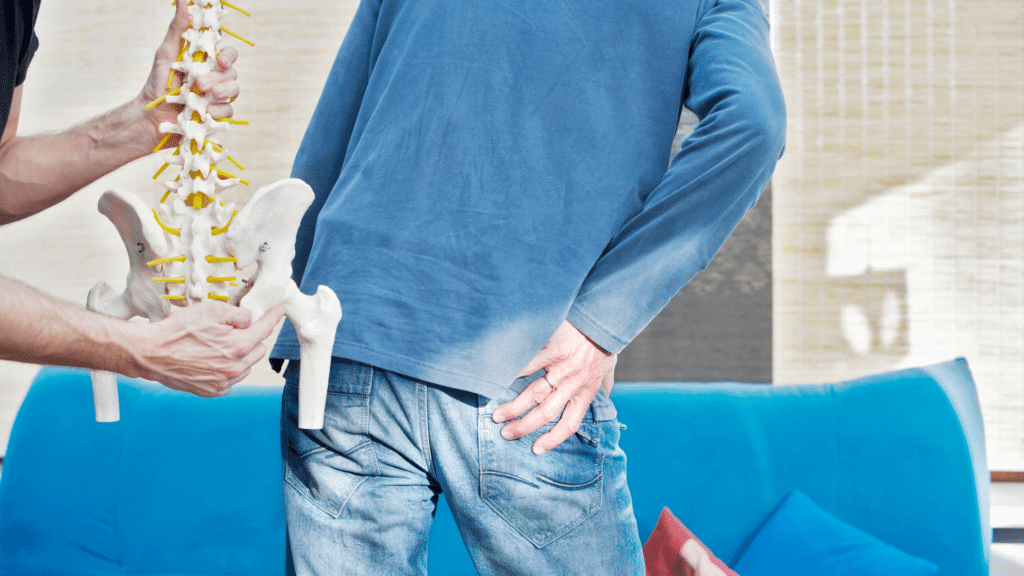
If you’ve ever felt a sharp pinch or deep ache in the front of your hip when sitting, squatting, or bending down, you’re not alone. This kind of pain is incredibly common—and one of the most overlooked causes is hip impingement. Hip impingement, also known as femoroacetabular impingement (FAI), can quietly limit your movement, disrupt
Facet pain, also known as facet joint pain, refers to discomfort that comes from the small joints located between the vertebrae in the spine. These joints help guide movement and provide stability, but they can become irritated or inflamed due to injury, poor posture, repetitive stress, or age-related wear and tear. Facet pain is commonly
Hip osteoarthritis can make everyday movement feel more challenging. Activities you once enjoyed—walking, gardening, golfing, hiking, playing with your kids or grandkids, or exercising—may start to cause stiffness or discomfort. It can be tempting to stop doing the things you love altogether. But a diagnosis of hip osteoarthritis does not automatically mean giving up an
Whether you’re a competitive athlete, a weekend warrior, or simply enjoying a walk around your neighborhood, a hamstring strain can quickly put your daily activities on hold. Hamstring injuries are among the most common muscle injuries, affecting people of all ages and activity levels. The good news? With the right treatment, most people can recover
If you have ever experienced hip pain or a sharp, shooting ache down the back of your leg, you might have heard about the piriformis muscle. Despite its relatively small size, this flat, band-like muscle located deep inside the buttocks plays a massive role in how your hips, pelvis, and lower body move. But what
Peroneal tendinitis is an overuse injury involving the peroneal tendons, which run along the outer side of the ankle and foot. These tendons connect the peroneal muscles in the lower leg to the bones of the foot and help control ankle movement, provide stability, and support balance. When these tendons become irritated or inflamed due
Patellar tendinopathy—often called “jumper’s knee”—is an overuse injury that causes pain just below the kneecap, especially during activities like squatting, running, or jumping. It develops when the patellar tendon is repeatedly stressed without adequate recovery, leading to tendon irritation and reduced load tolerance. Left untreated, it can become a chronic issue that limits daily activity
Greater trochanter pain syndrome (GTPS) is a common condition characterized by chronic pain and tenderness on the outer side of the hip, typically over the greater trochanter, the bony prominence at the top of the femur. It often results from inflammation or irritation of the gluteal tendons, particularly the gluteus medius and minimus, or from
With the NBA playoffs in full swing, there is no better time to appreciate the athleticism and precision behind every basket. One of the most iconic moves in the game—the jump shot—is far more than just a flick of the wrist. It is a full-body movement powered by coordination, timing, and strength. In this post,