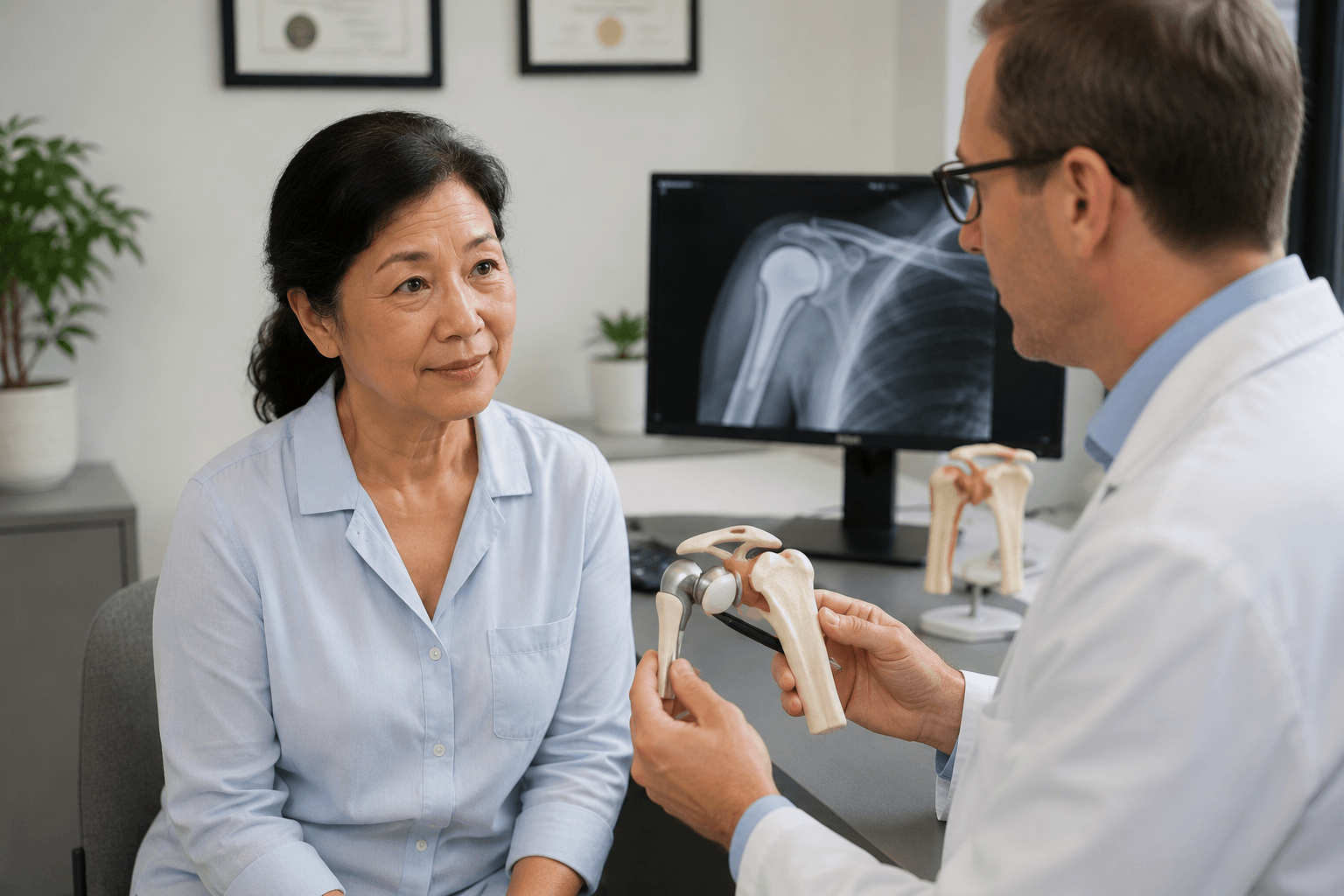
Shoulder replacement surgery is a procedure used to replace damaged parts of the shoulder joint with artificial components in order to relieve pain and improve movement. This surgery is most commonly performed when the shoulder has been severely affected by conditions such as arthritis, fractures, rotator cuff injuries, or long-term wear and tear. Over time,
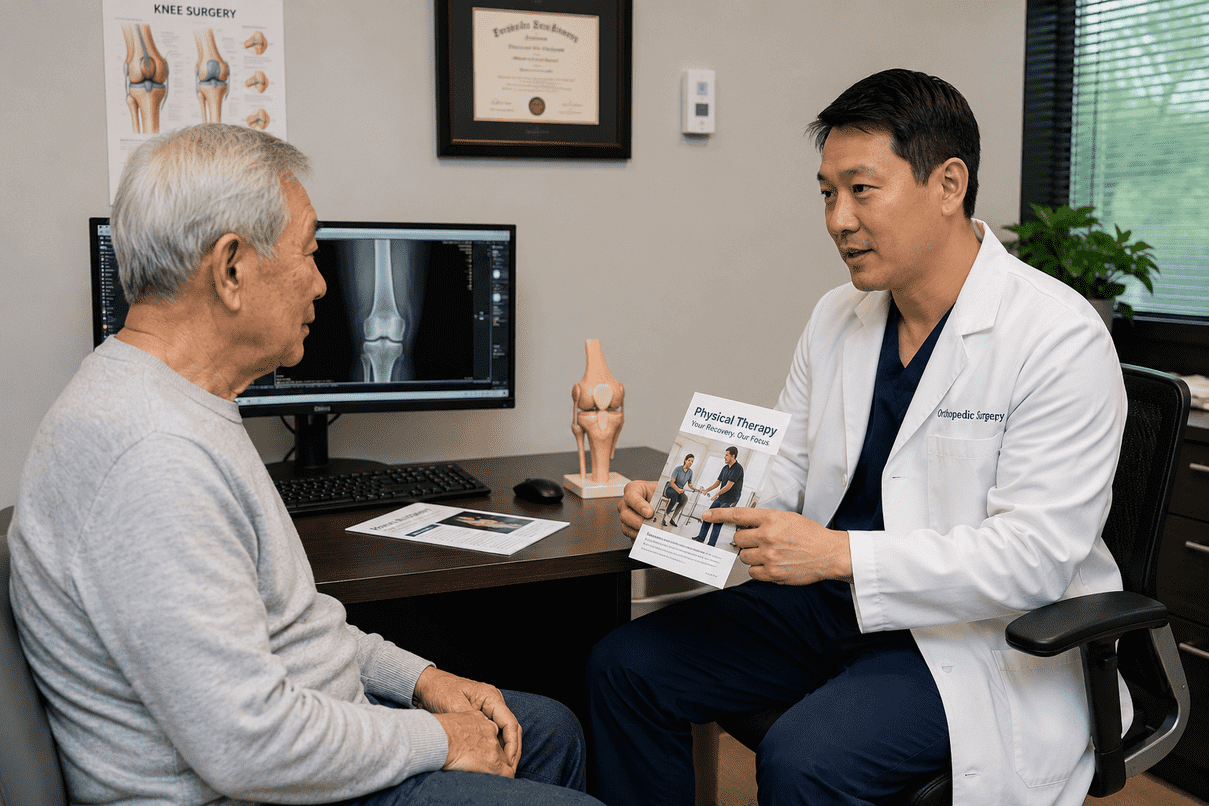
Surgery is like a marathon; while you focus on the big day, the real recovery work starts afterward. Physical therapy is your bridge to normal life. For the best results, your surgeon and therapist must be aligned. Ask these essential questions before your procedure to ensure a smooth recovery. The Big Picture: Timeline and Expectations
Recovering from hip replacement surgery is an important journey toward moving more comfortably, reducing pain, and getting back to the activities you enjoy. While the surgery itself replaces the damaged joint, physical therapy plays a major role in helping you regain strength, mobility, balance, and confidence during recovery. Whether you recently had surgery or are
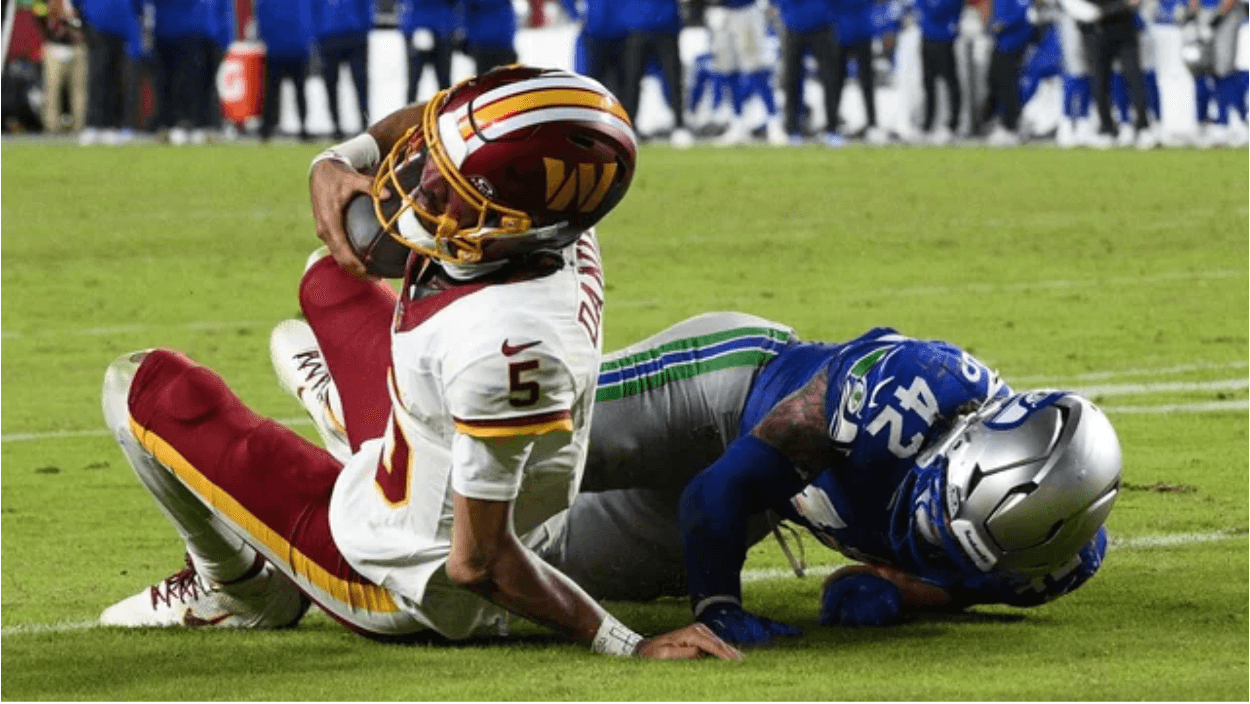
Knee injuries are one of the most common injuries seen in both athletes and active adults, and one of the most frequently injured structures in the knee is the ACL, or anterior cruciate ligament. You may have heard about ACL injuries when professional athletes go down with knee injuries, but ACL tears can happen to
The elbow is one of the most complex joints in the human body. It is responsible for allowing us to lift, throw, push, and perform countless daily tasks. Because of its structure and high mobility, the elbow is also vulnerable to injuries such as dislocations, fractures, and chronic overuse conditions. In this article, we will
An ACL tear is one of the most common and frustrating knee injuries, especially for athletes and active individuals. The anterior cruciate ligament (ACL) is a key stabilizer in your knee that keeps it from shifting or giving out during movement. But when it tears, it can dramatically affect your mobility, performance, and confidence. This
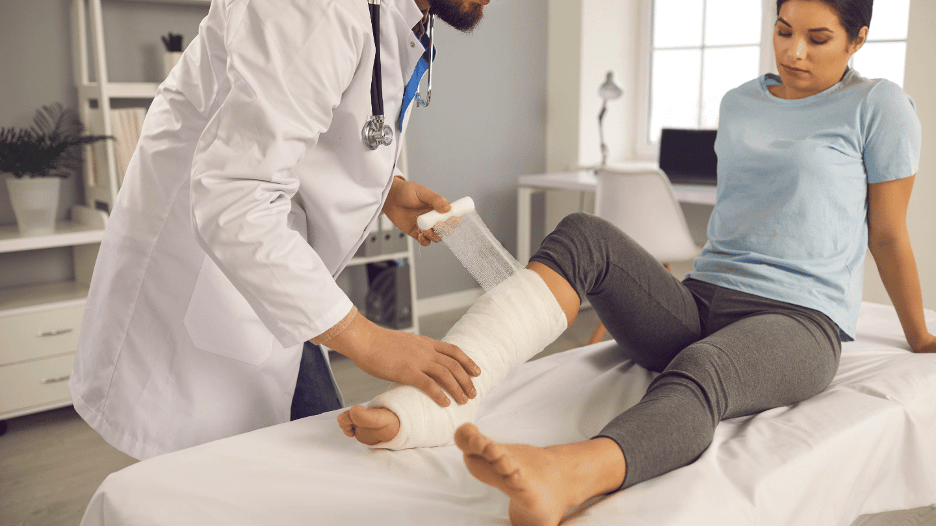
Stress fractures are a common injury among runners, caused by repetitive impact on the bones, especially in the lower legs and feet. These tiny cracks often develop when a runner increases mileage, intensity, or frequency too quickly without allowing the body adequate time to adapt and recover. The most frequently affected areas in runners are
Stress fractures are a common injury among runners, caused by repetitive impact on the bones, especially in the lower legs and feet. These tiny cracks often develop when a runner increases mileage, intensity, or frequency too quickly without allowing the body adequate time to adapt and recover. The most frequently affected areas in runners are
When your doctor recommends medical imaging, it is common to feel confused about your options particularly when you hear terms like CT scan and MRI. While both tools provide detailed pictures of what’s happening inside your body, they serve different purposes and use different technology. In this post, we break down the key differences between