Do you experience numbness or tingling in your hand, arm, or fingers? Maybe your arm feels heavy or weak, or you notice pain around your neck, shoulder, or upper chest—especially when reaching overhead. These symptoms may be related to a condition called thoracic outlet syndrome (TOS). Thoracic outlet syndrome occurs when the nerves or blood
If your child is active in sports and has started complaining about pain just below the knee, you’re not alone. One of the most common causes of knee pain in growing kids and teens is Osgood-Schlatter disease—a condition that can sound alarming but is actually a manageable and temporary part of development for many young
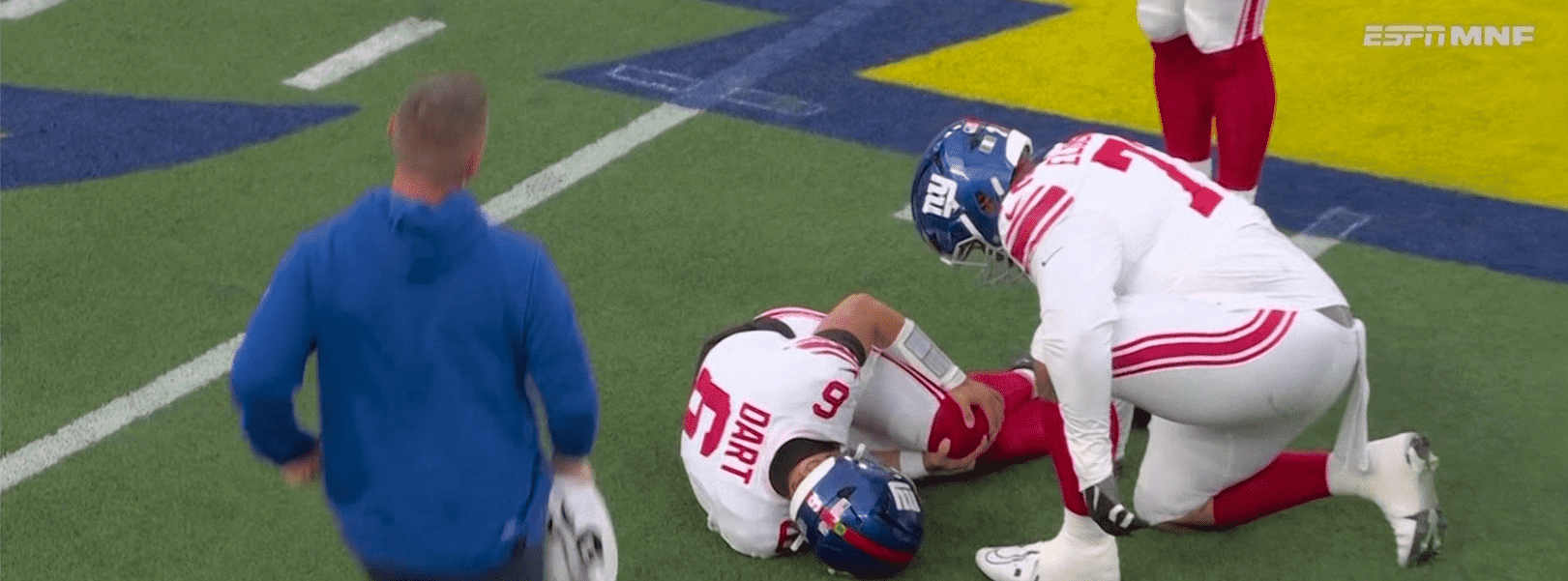
Seeing an athlete collapse on the field holding their knee sends an immediate wave of concern through teammates, coaches, and fans alike. Moments like this highlight how quickly a high impact play can sideline even the most elite athletes. While a sudden knee injury feels overwhelming, understanding the anatomy behind the joint, how knee stability
The hip is a ball-and-socket joint. The ball at the top of the thigh bone, called the femoral head, fits into the socket of the pelvis, called the acetabulum. With femoroacetabular impingement, the bones of the hip may come into contact in a way that causes pinching or irritation during certain movements. This can place
Neck pain is a common problem, but when pain, numbness, tingling, or weakness travels from the neck into the shoulder, arm, or hand, it may be a sign of cervical radiculopathy. This condition occurs when a nerve root in the neck becomes irritated or compressed, causing symptoms that can extend beyond the neck itself. Cervical
If you’ve noticed pain along the front of your ankle or shin, especially when walking, running, or climbing stairs, you may be experiencing anterior tibialis tendonitis. While it isn’t as common as Achilles tendon problems, this condition can make everyday activities uncomfortable if left untreated. The good news? With early treatment and the right rehabilitation
Hip osteoarthritis can make everyday movement feel more challenging. Activities you once enjoyed—walking, gardening, golfing, hiking, playing with your kids or grandkids, or exercising—may start to cause stiffness or discomfort. It can be tempting to stop doing the things you love altogether. But a diagnosis of hip osteoarthritis does not automatically mean giving up an
If you’ve ever felt a sharp or burning pain along the outside of your knee during a run or after a long walk, you might have encountered IT band syndrome. Short for iliotibial band syndrome, this common overuse injury affects runners, cyclists, and even people who spend long hours on their feet. The iliotibial (IT)
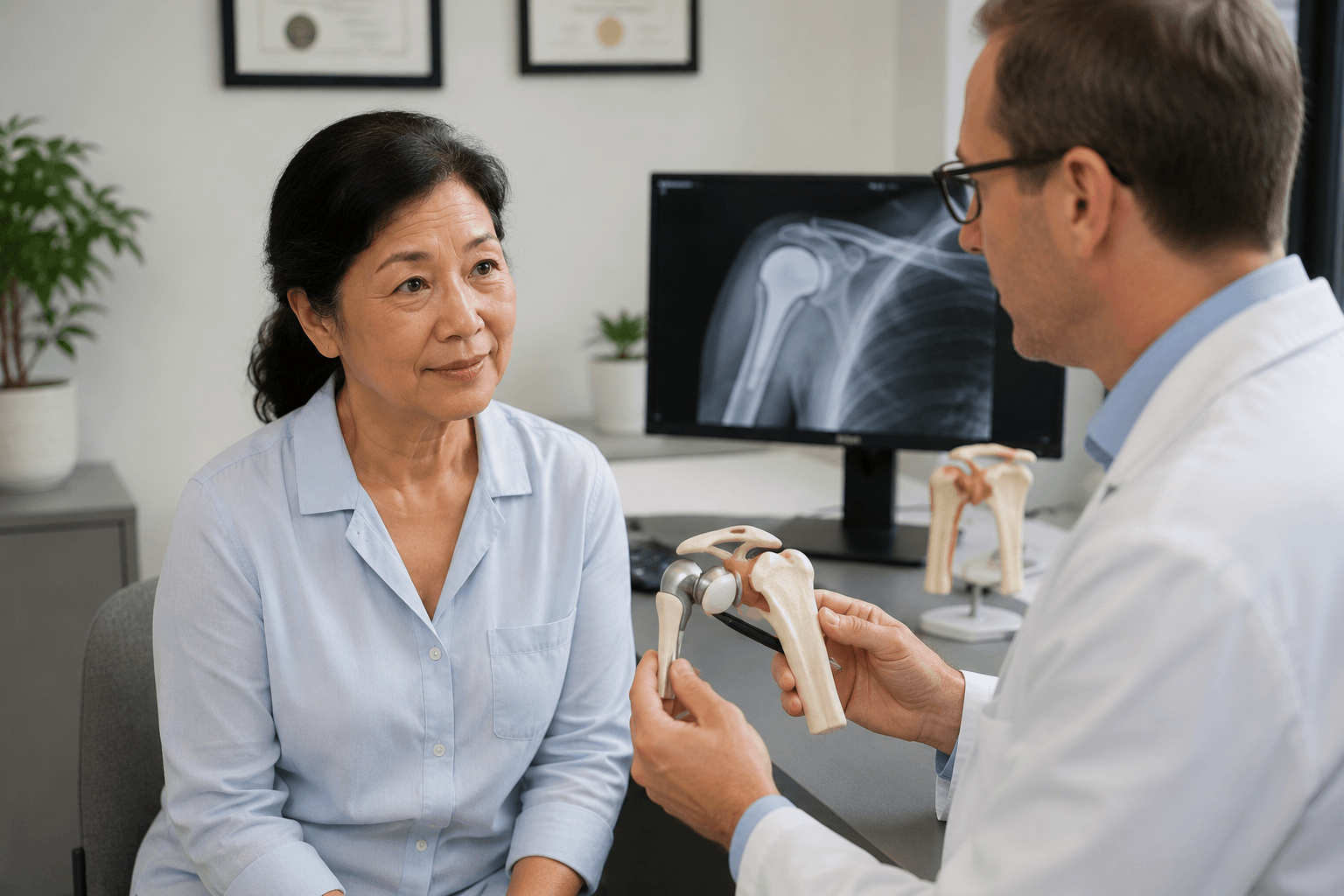
Shoulder replacement surgery is a procedure used to replace damaged parts of the shoulder joint with artificial components in order to relieve pain and improve movement. This surgery is most commonly performed when the shoulder has been severely affected by conditions such as arthritis, fractures, rotator cuff injuries, or long-term wear and tear. Over time,