Do you experience numbness or tingling in your hand, arm, or fingers? Maybe your arm feels heavy or weak, or you notice pain around your neck, shoulder, or upper chest—especially when reaching overhead. These symptoms may be related to a condition called thoracic outlet syndrome (TOS). Thoracic outlet syndrome occurs when the nerves or blood
If you’ve ever felt a sharp pinch or deep ache in the front of your hip when sitting, squatting, or bending down, you’re not alone. This kind of pain is incredibly common—and one of the most overlooked causes is hip impingement. Hip impingement, also known as femoroacetabular impingement (FAI), can quietly limit your movement, disrupt
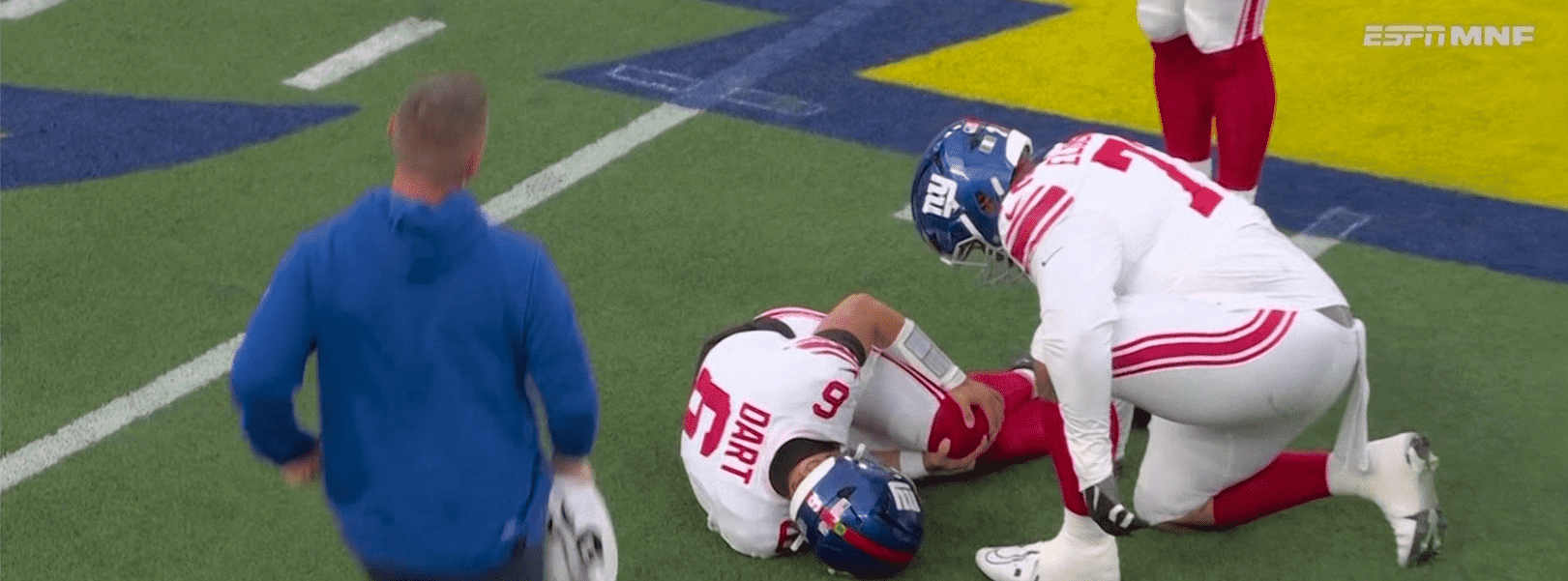
Seeing an athlete collapse on the field holding their knee sends an immediate wave of concern through teammates, coaches, and fans alike. Moments like this highlight how quickly a high impact play can sideline even the most elite athletes. While a sudden knee injury feels overwhelming, understanding the anatomy behind the joint, how knee stability
The hip is a ball-and-socket joint. The ball at the top of the thigh bone, called the femoral head, fits into the socket of the pelvis, called the acetabulum. With femoroacetabular impingement, the bones of the hip may come into contact in a way that causes pinching or irritation during certain movements. This can place
Neck pain is a common problem, but when pain, numbness, tingling, or weakness travels from the neck into the shoulder, arm, or hand, it may be a sign of cervical radiculopathy. This condition occurs when a nerve root in the neck becomes irritated or compressed, causing symptoms that can extend beyond the neck itself. Cervical
Facet pain, also known as facet joint pain, refers to discomfort that comes from the small joints located between the vertebrae in the spine. These joints help guide movement and provide stability, but they can become irritated or inflamed due to injury, poor posture, repetitive stress, or age-related wear and tear. Facet pain is commonly
Hip osteoarthritis can make everyday movement feel more challenging. Activities you once enjoyed—walking, gardening, golfing, hiking, playing with your kids or grandkids, or exercising—may start to cause stiffness or discomfort. It can be tempting to stop doing the things you love altogether. But a diagnosis of hip osteoarthritis does not automatically mean giving up an
If you’ve ever felt a sharp or burning pain along the outside of your knee during a run or after a long walk, you might have encountered IT band syndrome. Short for iliotibial band syndrome, this common overuse injury affects runners, cyclists, and even people who spend long hours on their feet. The iliotibial (IT)
De Quervain’s tenosynovitis is an irritation of two tendons that run along the thumb side of the wrist: the abductor pollicis longus (APL) and extensor pollicis brevis (EPB). These tendons help move the thumb away from the hand and extend the thumb. They pass through a narrow compartment near the wrist. Repetitive movement or increased