
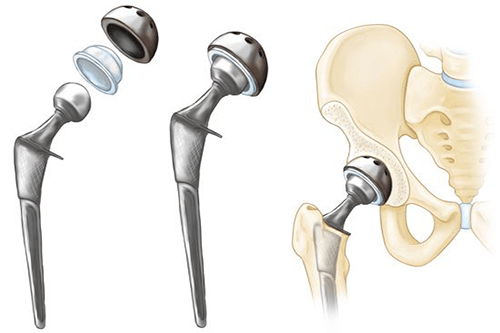
Recovering from hip replacement surgery is an important journey toward moving more comfortably, reducing pain, and getting back to the activities you enjoy. While the surgery itself replaces the damaged joint, physical therapy plays a major role in helping you regain strength, mobility, balance, and confidence during recovery.
Whether you recently had surgery or are preparing for one, understanding how physical therapy supports the healing process can help you feel more prepared and motivated throughout recovery.
Why Physical Therapy Matters After Hip Replacement
After hip replacement surgery, the muscles around your hip are often weak and stiff. You may also notice difficulty walking, climbing stairs, standing for long periods, or getting in and out of chairs. Physical therapy helps restore normal movement patterns while protecting your new joint as it heals.
A structured rehabilitation program can help:
- Reduce pain and stiffness
- Improve flexibility and range of motion
- Strengthen hip and leg muscles
- Improve walking and balance
- Lower the risk of falls
- Support a faster and safer recovery
- Help you return to daily activities with confidence
What to Expect During Physical Therapy
Recovery looks different for every patient, but physical therapy usually begins shortly after surgery. Your treatment plan will be personalized based on your mobility, strength, pain levels, and goals.
Early Recovery Phase
In the first few weeks after surgery, therapy focuses on gentle movement and safe mobility. Your physical therapist may help you:
- Learn how to safely get in and out of bed
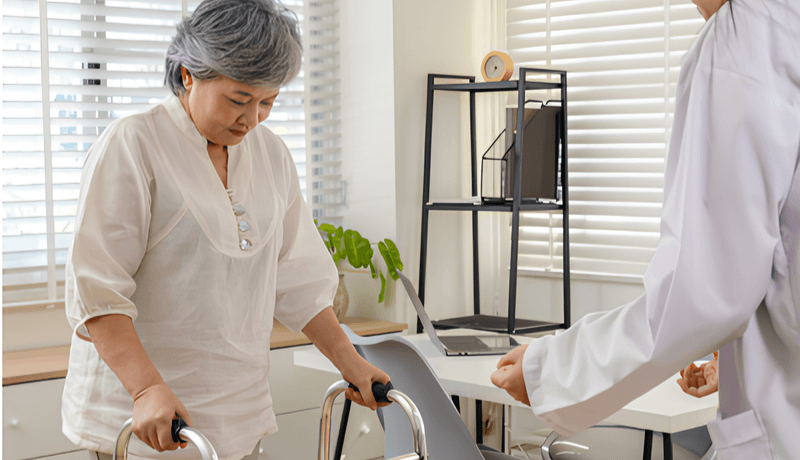
- Practice walking with a walker or cane
- Improve circulation and reduce swelling
- Perform gentle exercises to prevent stiffness
- Learn proper movement precautions
Building Strength and Mobility
As healing progresses, therapy becomes more focused on restoring strength, endurance, and stability.
Your therapist may introduce exercises that target:
- Hip muscles
- Glutes
- Core stability
- Leg strength
- Balance and coordination
You may also practice:
- Walking longer distances
- Climbing stairs
- Sitting and standing comfortably
- Returning to household activities
These exercises help improve overall function and make everyday movement easier.
Improving Balance and Preventing Falls
After surgery, balance can temporarily be affected due to weakness and changes in movement patterns. Physical therapists use specific exercises and gait training techniques to help improve stability and reduce fall risk.
Improving balance is especially important for older adults who want to safely return to independent living.
Managing Pain During Recovery
Some soreness and discomfort are normal after hip replacement surgery, but physical therapy can help manage pain naturally through:
- Guided movement
- Stretching
- Strengthening exercises
- Ice or heat therapy
- Manual therapy techniques
- Posture and walking corrections
Staying active in a safe and controlled way often helps reduce stiffness and improve overall comfort.
Returning to Daily Activities
One of the biggest goals of physical therapy is helping patients safely return to daily life. Depending on your progress, your therapist can guide you as you return to activities such as:
- Walking without assistance
- Driving
- Shopping
- Gardening
- Recreational exercise
- Traveling
Your recovery timeline may vary, but many patients continue improving for several months after surgery.
Tips for a Successful Recovery
To get the best results after hip replacement surgery:
- Follow your physical therapist’s instructions carefully
- Stay consistent with your home exercise program
- Avoid overdoing activities too early
- Use assistive devices as recommended
- Attend all scheduled therapy sessions
- Communicate any pain or concerns to your healthcare team
Consistency and patience are key parts of the recovery process.
When to Start Physical Therapy
In many cases, physical therapy begins within a day or two after surgery. Early movement helps improve circulation, reduce complications, and promote faster recovery. Outpatient physical therapy often continues for several weeks/months depending on your needs and goals.
Final Thoughts
Hip replacement surgery can significantly improve quality of life, especially when combined with a personalized physical therapy program. With the right guidance and commitment to rehabilitation, many patients regain mobility, reduce pain, and return to the activities they love.
If you are preparing for hip replacement surgery or currently recovering, working with a licensed physical therapist can help you recover safely and confidently every step of the way.
If you plan on having or have had hip replacement surgery, physical therapy can help properly evaluate and restore function. Call Respire Physical Therapy at the Falls Church Location (703-671-1871) or the Annandale Location (571-369-6728) to schedule an appointment with one of our skilled Physical Therapists today! Click here to request an appointment online and we will contact you as soon as possible.

Tags: washingtondc, health blog, movementismedicine, choosept, post operative care, arlingtonva, total joint replacement, alexandriava, pt education, fallschurchva, prehabilitation, hip replacement, evidence based practice, Physical Therapy, ptworks, Respire Physical Therapy, annandaleva, physical therapist, painfreeliving