

Ankle sprains are among the most common musculoskeletal injuries, affecting athletes and non-athletes alike. Understanding what causes ankle sprains and how physical therapy can help is key to achieving a full recovery and preventing future injuries.
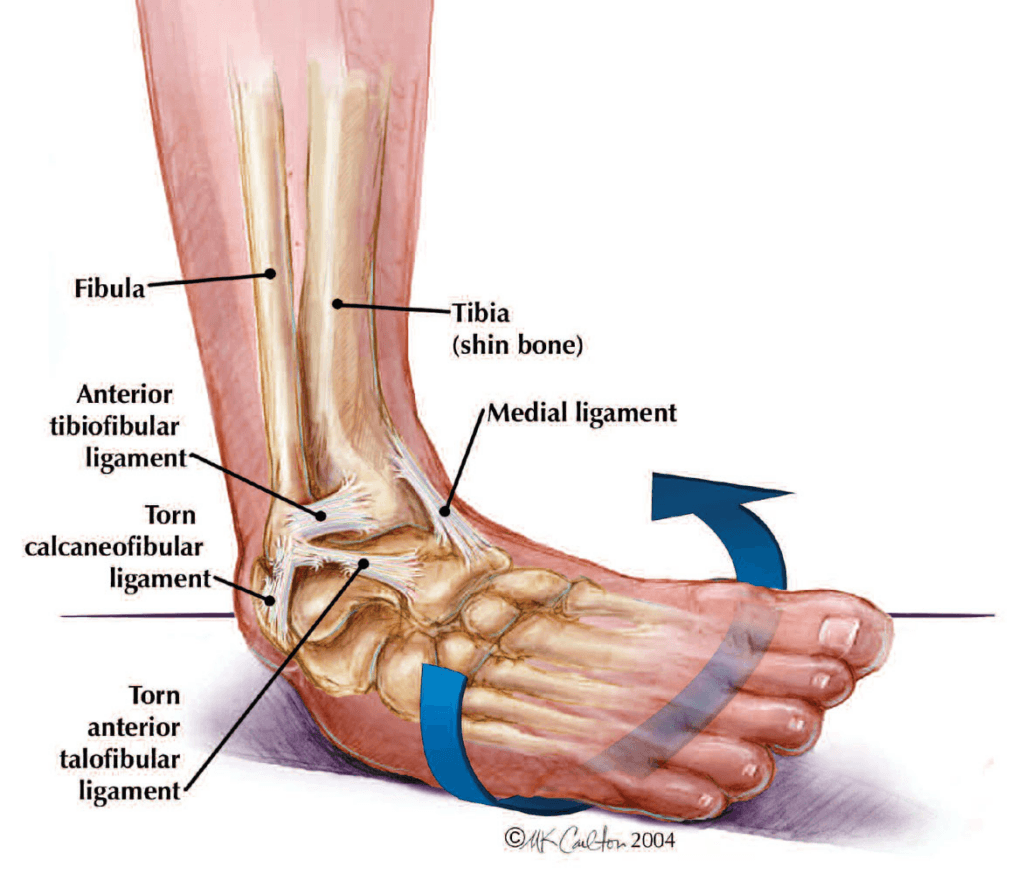
What Is an Ankle Sprain?
An ankle sprain occurs when the ligaments that support the ankle joint are stretched beyond their normal limits or torn. Ligaments are strong bands of tissue that connect bones and help stabilize joints. When the ankle twists, rolls, or turns suddenly, these ligaments can become injured.
Symptoms of an ankle sprain may include:
- Pain or tenderness around the ankle
- Swelling
- Bruising
- Difficulty walking or bearing weight
- A feeling of instability or weakness in the ankle
What Causes Ankle Sprains?
Most ankle sprains occur when the foot rolls inward or outward unexpectedly. Common causes include:
- Walking or running on uneven surfaces
- Sports that involve jumping, cutting, or quick changes in direction
- Poor balance or coordination
- Wearing improper footwear
- Previous ankle injuries that have weakened the joint
- Stepping awkwardly off a curb or stair
Why Proper Rehabilitation Matters
Many people assume an ankle sprain will heal on its own with rest and time. While symptoms may improve, inadequate rehabilitation can lead to lingering weakness, reduced balance, chronic pain, and recurrent sprains.
Research has shown that individuals who experience one ankle sprain are at a significantly higher risk of suffering another if proper rehabilitation is not completed. Restoring strength, mobility, and stability is essential for a successful recovery.
How Physical Therapy Can Help
Physical therapy is one of the most effective treatments for ankle sprains. A physical therapist will perform a thorough evaluation and create a personalized treatment plan based on your injury and goals.
Treatment may include:
Pain and Swelling Management
Early treatment focuses on reducing inflammation and pain through activity modification, manual therapy techniques, and therapeutic exercises.
Restoring Range of Motion
Following an ankle sprain, stiffness often develops within the joint. Specific mobility exercises help restore normal ankle movement and prevent long-term restrictions.
Strengthening the Ankle
Weakness in the muscles surrounding the ankle can contribute to instability and future injuries. Strengthening exercises target the ankle, foot, calf, and surrounding lower extremity muscles to improve support and function.
Improving Balance and Stability
Ankle sprains frequently affect proprioception—the body’s ability to sense joint position and movement. Balance training helps retrain the nervous system and reduces the risk of re-injury.
Return-to-Sport and Activity Training
For athletes and active individuals, physical therapists design sport-specific programs that safely prepare the body for a return to running, jumping, cutting, and other demanding movements.
When Should You Seek Physical Therapy?
If you are experiencing persistent pain, swelling, instability, difficulty walking, or repeated ankle sprains, physical therapy can help properly evaluate and improve your symptoms. Call Respire Physical Therapy at the Falls Church Location (703-671-1871) or the Annandale Location (571-369-6728) to schedule an appointment with one of our skilled Physical Therapists today! Click here to request an appointment online and we will contact you as soon as possible.

Tags: choosept, movement is medicine, Physical Therapy, arlingtonva, evidence based practice, Respire Physical Therapy, alexandriava, ankle sprain, fallschurchva, ankle pain, ptworks, annandaleva, physical therapist, painfreeliving, washingtondc, health blog, mobility, pt education, regain your movement freedom