If you’ve ever felt a sharp pinch or deep ache in the front of your hip when sitting, squatting, or bending down, you’re not alone. This kind of pain is incredibly common—and one of the most overlooked causes is hip impingement. Hip impingement, also known as femoroacetabular impingement (FAI), can quietly limit your movement, disrupt
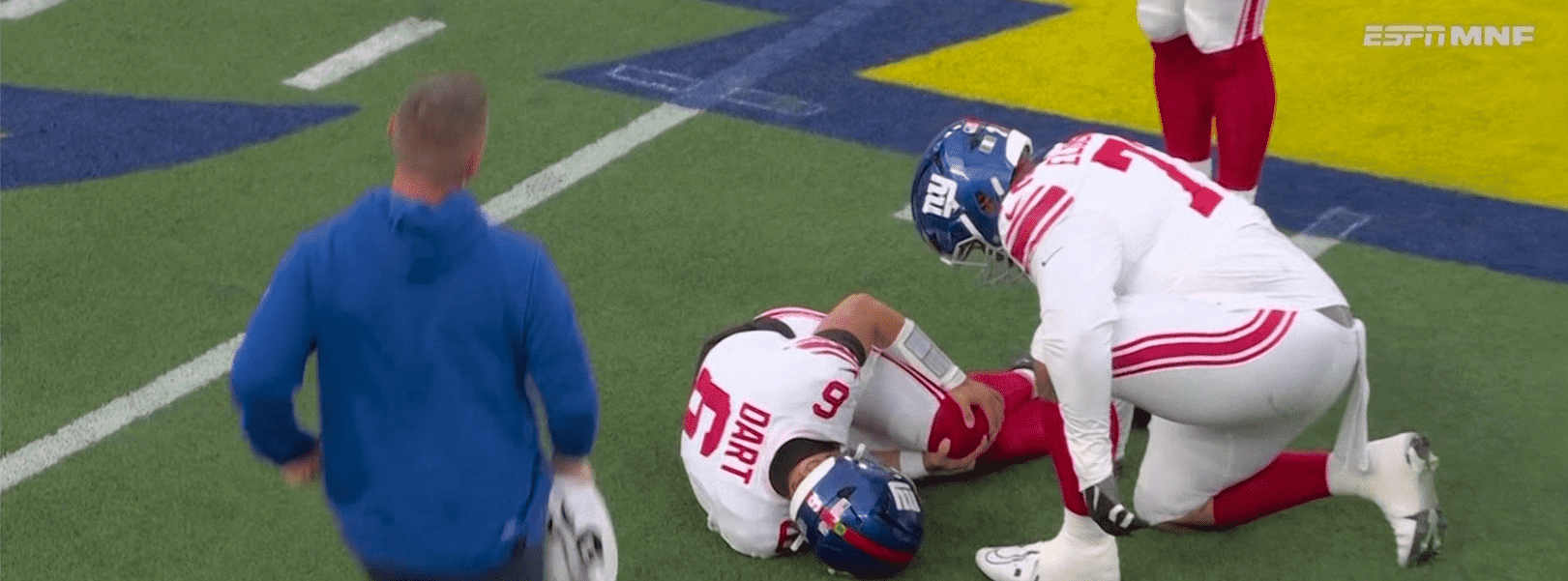
Seeing an athlete collapse on the field holding their knee sends an immediate wave of concern through teammates, coaches, and fans alike. Moments like this highlight how quickly a high impact play can sideline even the most elite athletes. While a sudden knee injury feels overwhelming, understanding the anatomy behind the joint, how knee stability
Facet pain, also known as facet joint pain, refers to discomfort that comes from the small joints located between the vertebrae in the spine. These joints help guide movement and provide stability, but they can become irritated or inflamed due to injury, poor posture, repetitive stress, or age-related wear and tear. Facet pain is commonly
De Quervain’s tenosynovitis is an irritation of two tendons that run along the thumb side of the wrist: the abductor pollicis longus (APL) and extensor pollicis brevis (EPB). These tendons help move the thumb away from the hand and extend the thumb. They pass through a narrow compartment near the wrist. Repetitive movement or increased
Whether you’re a competitive athlete, a weekend warrior, or simply enjoying a walk around your neighborhood, a hamstring strain can quickly put your daily activities on hold. Hamstring injuries are among the most common muscle injuries, affecting people of all ages and activity levels. The good news? With the right treatment, most people can recover
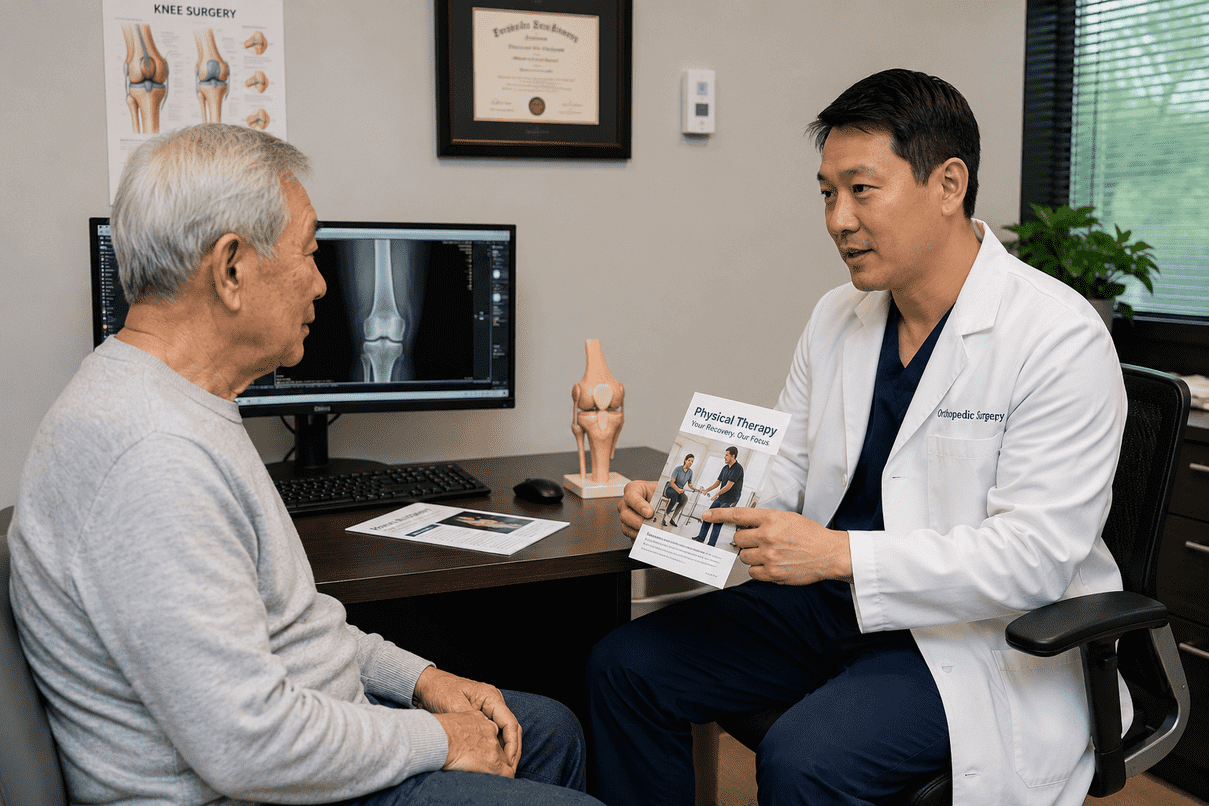
Surgery is like a marathon; while you focus on the big day, the real recovery work starts afterward. Physical therapy is your bridge to normal life. For the best results, your surgeon and therapist must be aligned. Ask these essential questions before your procedure to ensure a smooth recovery. The Big Picture: Timeline and Expectations
Shoulder instability can make everyday activities feel unpredictable. Whether you’re reaching for something on a high shelf, throwing a ball, or simply lifting your arm, an unstable shoulder can cause pain, weakness, or the unsettling sensation that the joint might “give out.” Fortunately, physical therapy is one of the most effective ways to restore stability,
Peroneal tendinitis is an overuse injury involving the peroneal tendons, which run along the outer side of the ankle and foot. These tendons connect the peroneal muscles in the lower leg to the bones of the foot and help control ankle movement, provide stability, and support balance. When these tendons become irritated or inflamed due
Chronic low back pain is one of the most common reasons adults seek medical care—and one of the most frustrating conditions to live with. If you’ve been relying on medication to “get through the day,” you’re not alone. But while medication may temporarily reduce symptoms, it rarely addresses the underlying cause of your pain. At