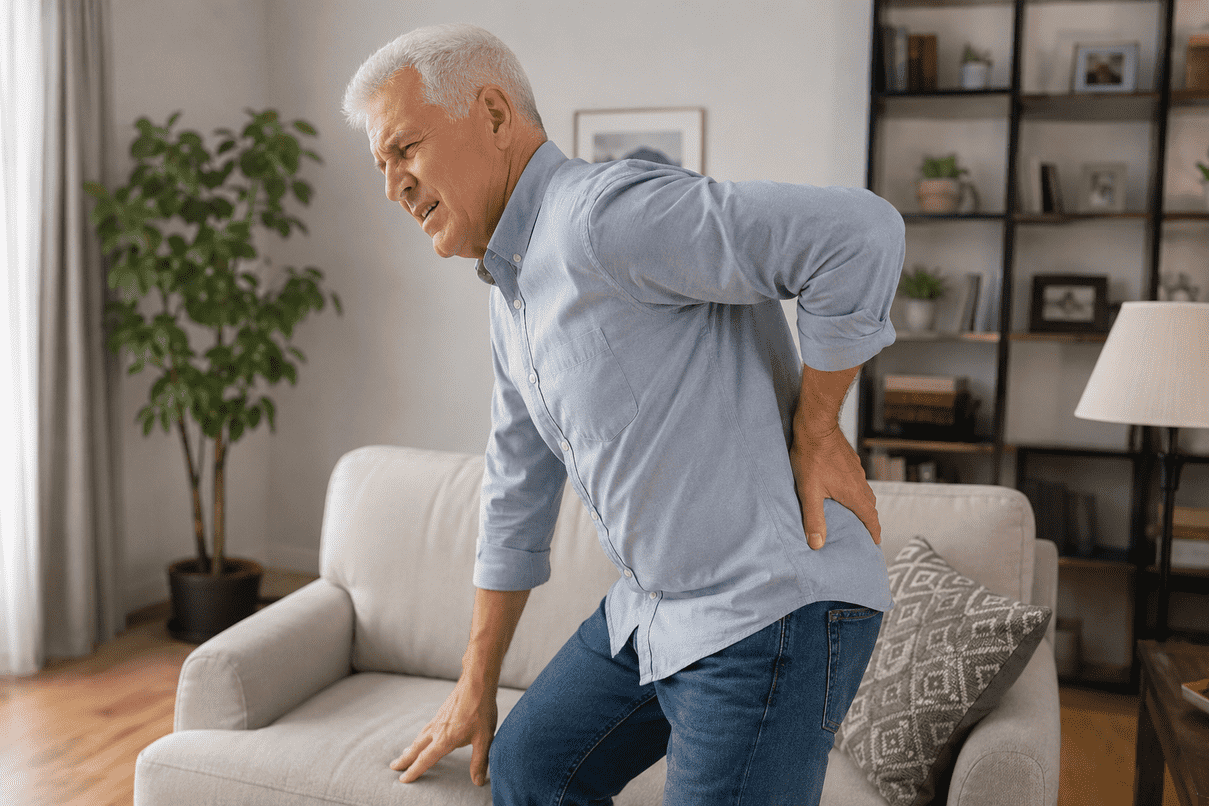

Chronic low back pain is one of the most common reasons adults seek medical care—and one of the most frustrating conditions to live with. If you’ve been relying on medication to “get through the day,” you’re not alone. But while medication may temporarily reduce symptoms, it rarely addresses the underlying cause of your pain.
At our clinic, we focus on long-term, evidence-based solutions that restore movement, build strength, and help you return to the activities you enjoy—without depending solely on medication.
Understanding Chronic Low Back Pain
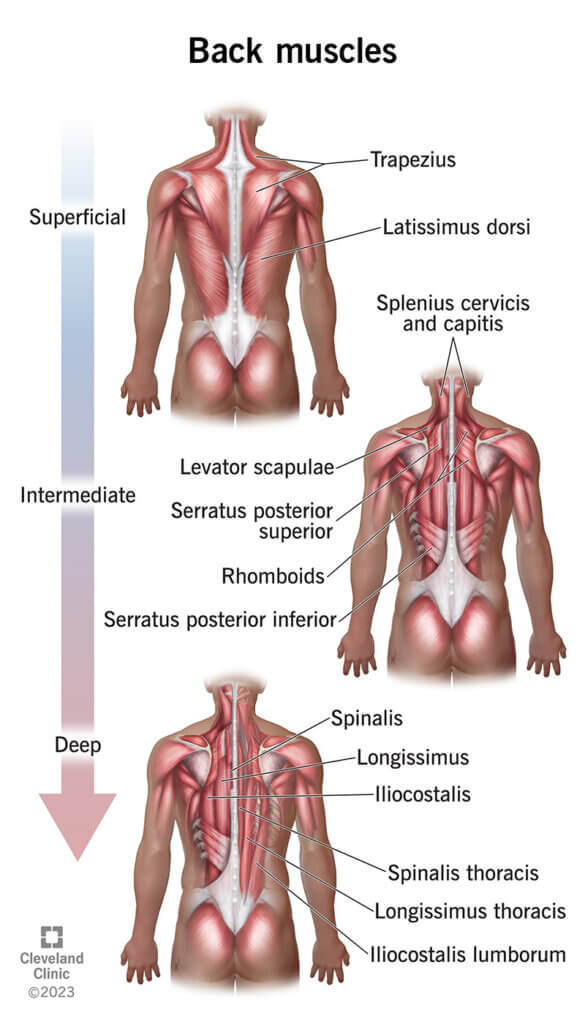
Chronic low back pain is typically defined as pain lasting longer than 12 weeks. Unlike acute injuries, chronic pain often involves a combination of factors:
- Muscle weakness and deconditioning
- Joint stiffness or mobility restrictions
- Poor movement patterns
- Previous injuries
- Prolonged sitting or repetitive strain
- Stress and nervous system sensitivity
Pain does not always mean damage. In many chronic cases, the tissues have healed, but the body’s movement system needs retraining.
Why Medication Isn’t the Complete Answer
Medications—whether over-the-counter anti-inflammatories, muscle relaxers, or prescription drugs—can reduce discomfort. However, they:
- Do not correct muscle imbalances
- Do not improve spinal stability
- Do not restore mobility
- Do not retrain faulty movement patterns
Long-term reliance on medication can also lead to side effects and diminished effectiveness over time.
True recovery requires addressing the root cause—not just masking symptoms.
How Physical Therapy Provides Real Solutions
Physical therapy is widely recommended as a first-line treatment for chronic low back pain because it focuses on function, not just pain relief. Here’s how we help:
1. Personalized Movement Assessment
We evaluate how your spine, hips, and core move together. Often, back pain is influenced by limited hip mobility, weak core stabilizers, or inefficient movement patterns.
2. Targeted Strengthening
Chronic back pain is frequently linked to weakness in deep core muscles and gluteal muscles. Specific strengthening improves spinal support and reduces strain.
3. Mobility Restoration
Gentle manual therapy and guided mobility exercises can improve joint motion and reduce stiffness.
4. Pain Science Education
Understanding how pain works reduces fear and improves outcomes. Chronic pain often involves increased sensitivity of the nervous system. Education helps calm that system.
5. Progressive Return to Activity
Avoiding activity can worsen chronic pain. We guide you safely back to work, exercise, sports, and daily tasks.
Evidence Supports Movement Over Medication
Clinical guidelines consistently recommend physical therapy, exercise, and active care over passive treatments for chronic low back pain. Research shows that structured exercise programs:
- Reduce pain intensity
- Improve physical function
- Lower recurrence rates
- Decrease reliance on medication
Movement is medicine—when prescribed correctly.
What Makes Chronic Low Back Pain Improve?
Successful outcomes typically include:
- Consistency with a customized exercise plan
- Gradual progression of strength and endurance
- Addressing contributing lifestyle factors (posture, sitting time, sleep, stress)
- Building confidence in movement
Recovery is rarely about one “magic” exercise. It’s about the right plan, applied consistently.
When to Seek Physical Therapy
You may benefit from physical therapy if:
- Your back pain has lasted more than 3 months
- Pain keeps returning
- You feel stiff, weak, or unstable
- You rely on medication to function
- Imaging results don’t fully explain your pain
- You want a non-surgical, long-term solution
Take Control of Your Back Pain
Chronic low back pain does not have to control your life. With the right guidance, your body is capable of adapting, strengthening, and healing.
Medication may quiet symptoms temporarily—but restoring movement, strength, and confidence creates lasting change.
If you’re ready for real solutions beyond medication, physical therapy can help you move better, feel stronger, and get back to doing what matters most.
If you or a loved one has been diagnosed with Osteoporosis, Respire PT’s physical therapists can help you get back to the life you love. Call Respire Physical Therapy at the Falls Church Location (703-671-1871) or the Annandale Location (571-369-6728) to schedule an appointment with one of our skilled Physical Therapists today! Click here to request an appointment online and we will contact you as soon as possible.

Tags: annandaleva, painfreeliving, washingtondc, choosept, health blog, arlingtonva, movementismedicine, alexandriava, pt education, fallschurchva, regain your movement freedom, ptworks, evidence based practice, Physical Therapy, chronic pain relief, burkeva, Respire Physical Therapy, Back pain, fairfaxva, physical therapist