Do you experience numbness or tingling in your hand, arm, or fingers? Maybe your arm feels heavy or weak, or you notice pain around your neck, shoulder, or upper chest—especially when reaching overhead. These symptoms may be related to a condition called thoracic outlet syndrome (TOS). Thoracic outlet syndrome occurs when the nerves or blood
Facet pain, also known as facet joint pain, refers to discomfort that comes from the small joints located between the vertebrae in the spine. These joints help guide movement and provide stability, but they can become irritated or inflamed due to injury, poor posture, repetitive stress, or age-related wear and tear. Facet pain is commonly
If you have ever experienced hip pain or a sharp, shooting ache down the back of your leg, you might have heard about the piriformis muscle. Despite its relatively small size, this flat, band-like muscle located deep inside the buttocks plays a massive role in how your hips, pelvis, and lower body move. But what
Chronic low back pain is one of the most common reasons adults seek medical care—and one of the most frustrating conditions to live with. If you’ve been relying on medication to “get through the day,” you’re not alone. But while medication may temporarily reduce symptoms, it rarely addresses the underlying cause of your pain. At
Spinal stenosis is a narrowing of the spaces in your spine that puts pressure on your nerves. See a physical therapist if you notice any of the below symptoms: The good news is that physical therapy is often a key part of managing this condition and helping you feel better. Seek urgent medical care if
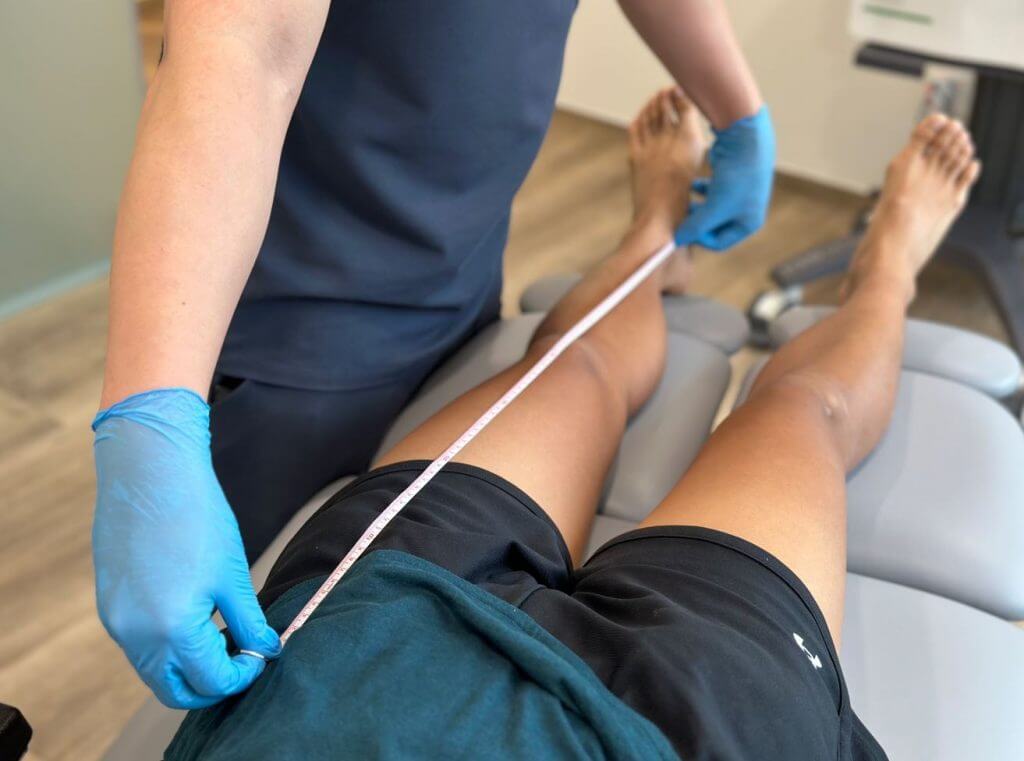
Leg length discrepancy is something we hear about all the time in physical therapy but not every “uneven leg” is actually a structural problem. In fact, most people who feel off-balance, tilted, or uneven are dealing with muscle tightness or alignment issues rather than a true difference in bone length. Understanding the difference matters, because
Sacroiliac (SI) joint pain is a common but often misunderstood source of lower back and hip discomfort. The SI joints sit where the spine meets the pelvis and play a key role in transferring forces between the upper body and legs. When these joints become irritated—due to injury, pregnancy, muscle imbalances, or repetitive stress—pain can
Lower Crossed Syndrome is a common postural imbalance that often affects people who sit for long periods. When you sit a lot, the hip flexors on the front of your hips become shortened and tight, while the glutes and abdominal muscles tend to weaken from inactivity. This imbalance tilts the pelvis forward, increasing the arch
Back pain can disrupt your daily life making it hard to sit, stand, walk, or sleep comfortably. Two common causes of lower back pain are lumbar spinal stenosis and lumbar disc herniation. While they may present with similar symptoms, they are very different conditions that require tailored treatment approaches. This article will break down the