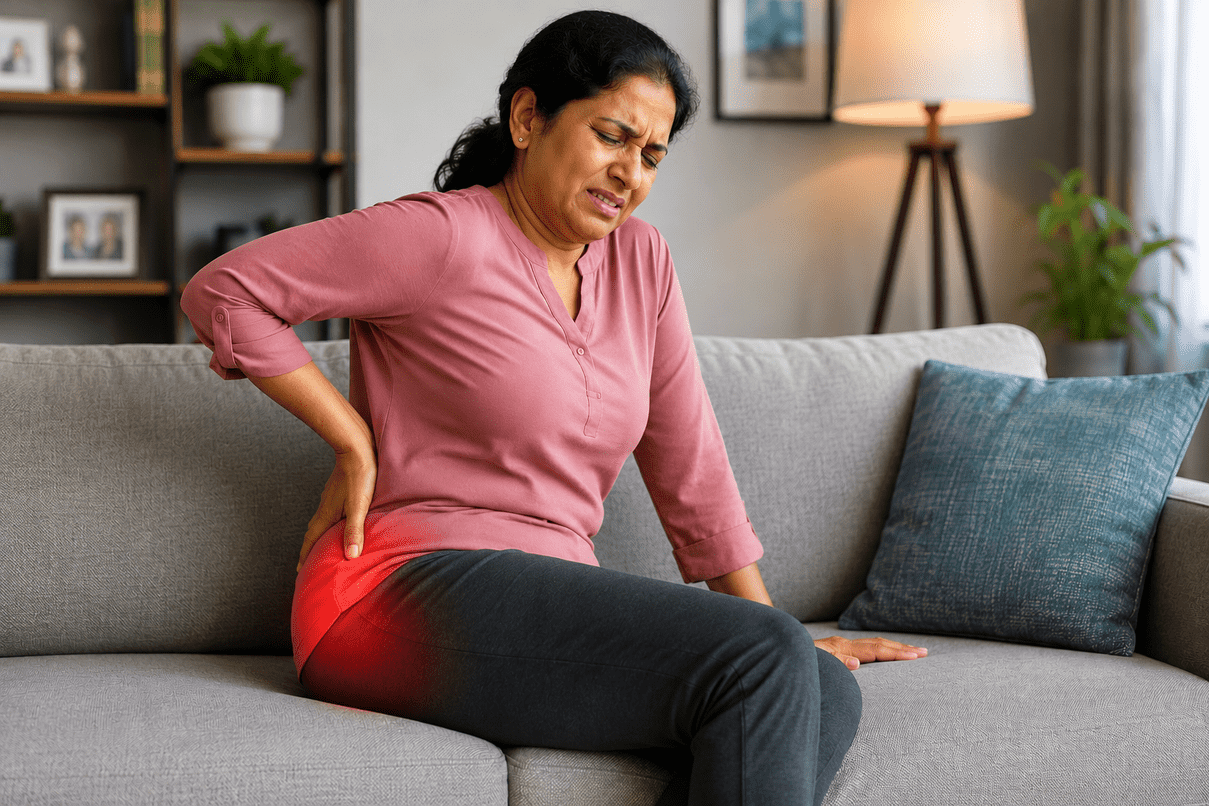
If you have ever experienced hip pain or a sharp, shooting ache down the back of your leg, you might have heard about the piriformis muscle. Despite its relatively small size, this flat, band-like muscle located deep inside the buttocks plays a massive role in how your hips, pelvis, and lower body move. But what
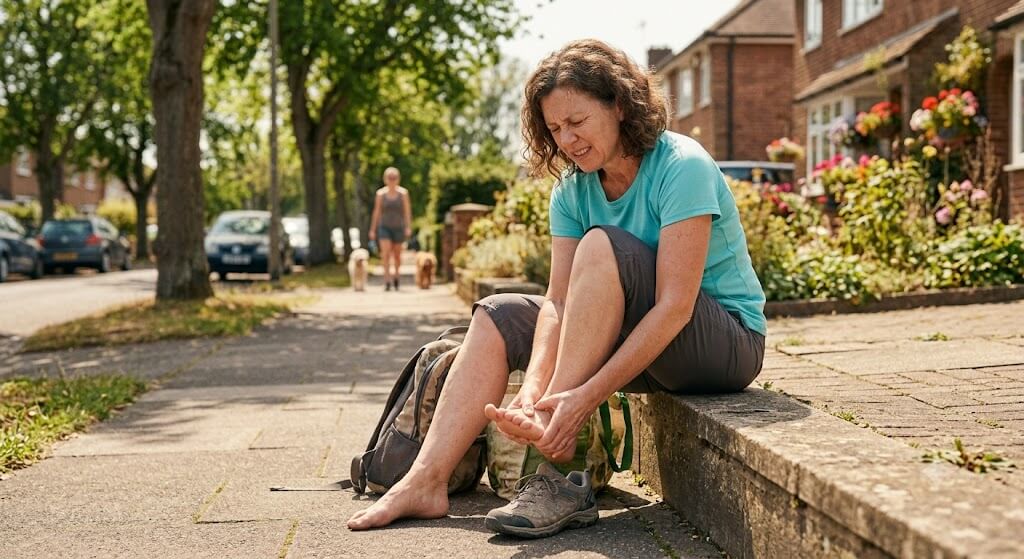
Peroneal tendinitis is an overuse injury involving the peroneal tendons, which run along the outer side of the ankle and foot. These tendons connect the peroneal muscles in the lower leg to the bones of the foot and help control ankle movement, provide stability, and support balance. When these tendons become irritated or inflamed due
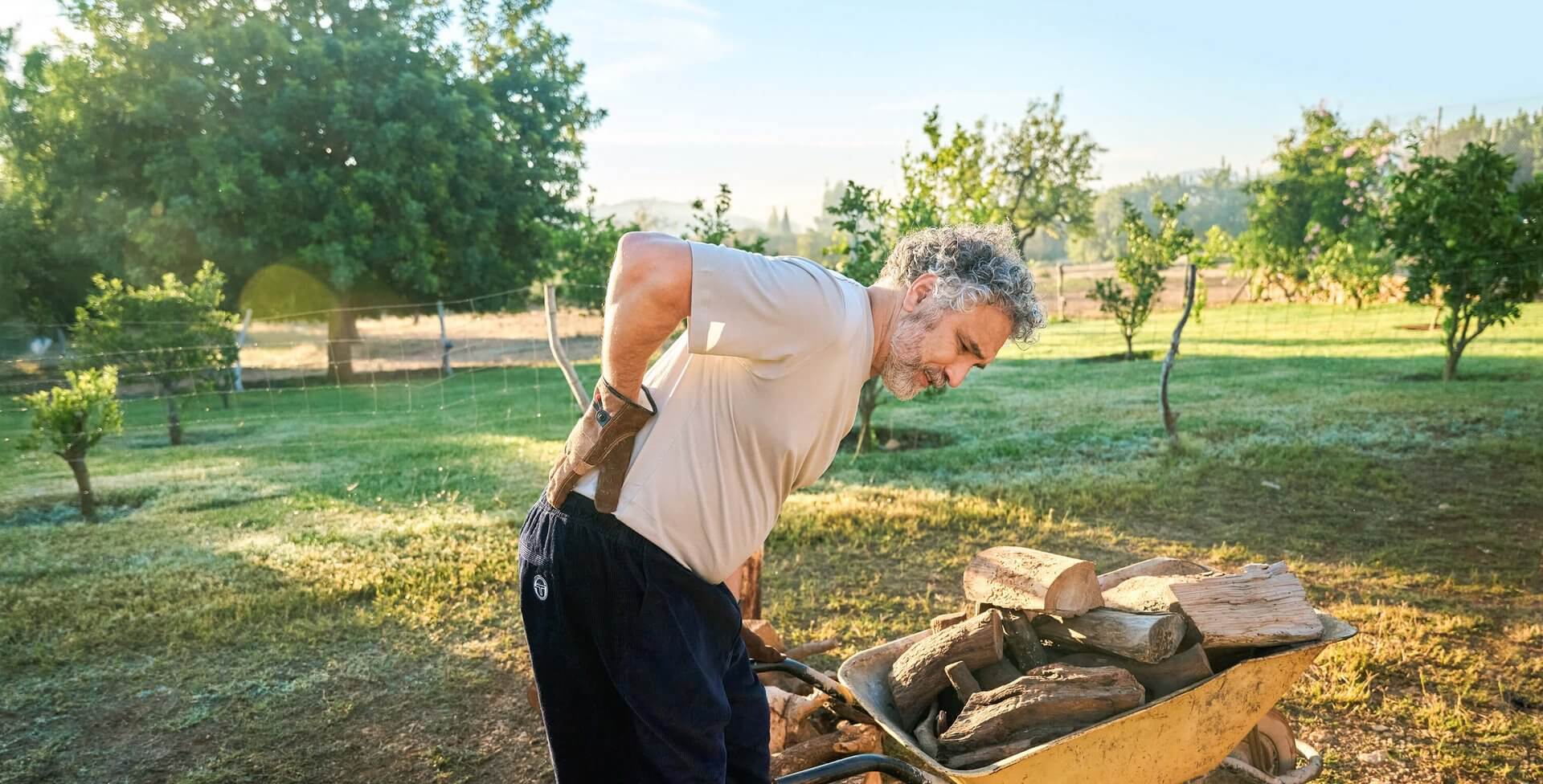
Chronic low back pain is one of the most common reasons adults seek medical care—and one of the most frustrating conditions to live with. If you’ve been relying on medication to “get through the day,” you’re not alone. But while medication may temporarily reduce symptoms, it rarely addresses the underlying cause of your pain. At
Osteoporosis is often called a “silent condition” because bone loss occurs gradually and without obvious symptoms—until a fracture happens. For many adults, especially those over 50, decreased bone density can increase the risk of hip, spine, and wrist fractures that affect independence and quality of life. The encouraging news is that osteoporosis is manageable. Physical
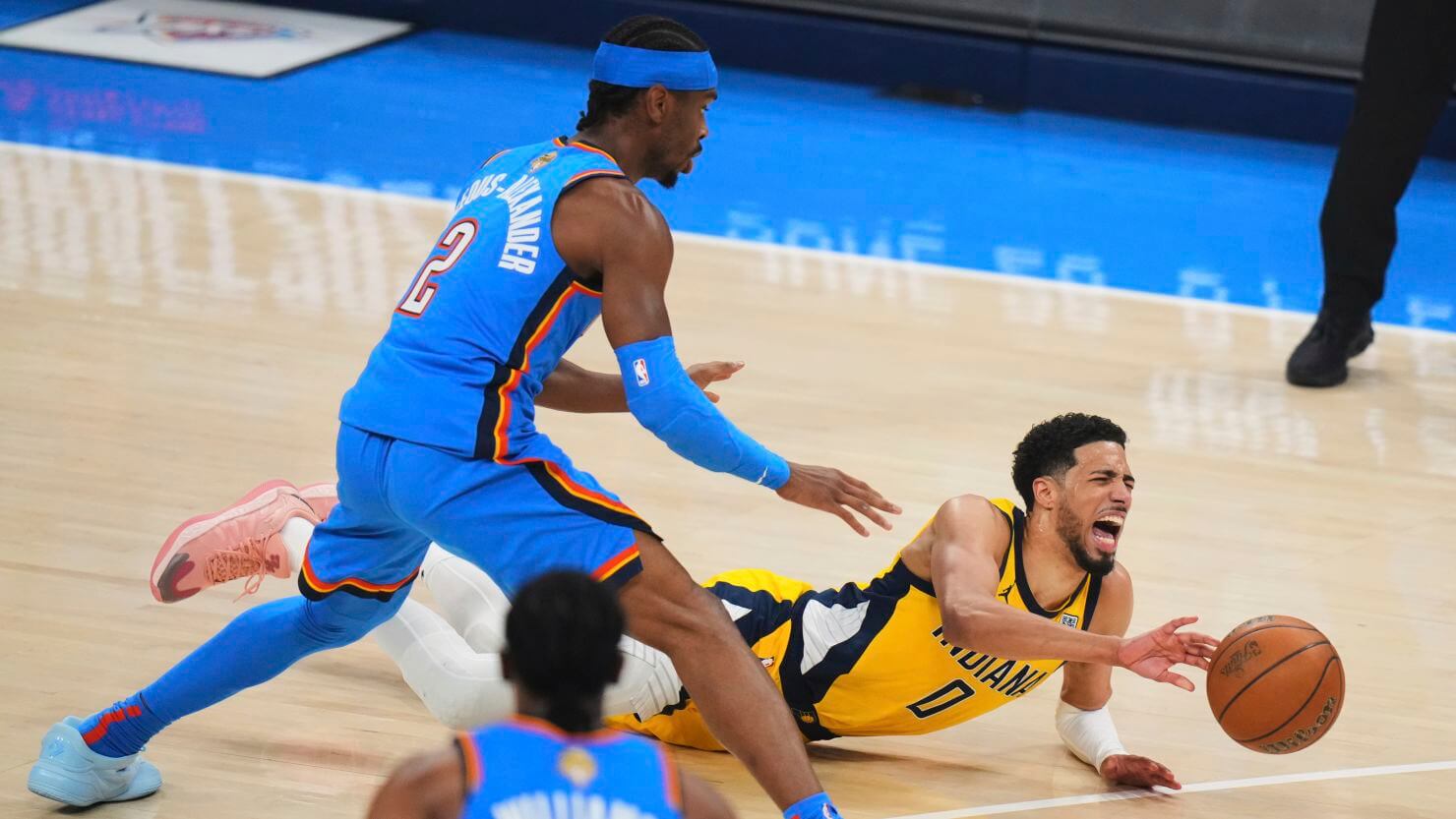
Knee injuries are one of the most common injuries seen in both athletes and active adults, and one of the most frequently injured structures in the knee is the ACL, or anterior cruciate ligament. You may have heard about ACL injuries when professional athletes go down with knee injuries, but ACL tears can happen to
Bench pressing is a great exercise for building upper body strength but if you are experiencing shoulder or elbow pain during or after bench press, you are not alone. Many active adults and athletes develop nagging pain that limits progress in the gym. Often, the root cause is not the bench press itself but from
An Achilles tendon rupture is a serious injury that involves a partial or complete tear of the tendon that connects the calf muscles to the heel bone. This tendon is essential for walking, running, and jumping, so a rupture often results in sudden, sharp pain in the back of the ankle or calf, sometimes described
Back pain can disrupt your daily life making it hard to sit, stand, walk, or sleep comfortably. Two common causes of lower back pain are lumbar spinal stenosis and lumbar disc herniation. While they may present with similar symptoms, they are very different conditions that require tailored treatment approaches. This article will break down the
Stress fractures are a common injury among runners, caused by repetitive impact on the bones, especially in the lower legs and feet. These tiny cracks often develop when a runner increases mileage, intensity, or frequency too quickly without allowing the body adequate time to adapt and recover. The most frequently affected areas in runners are