
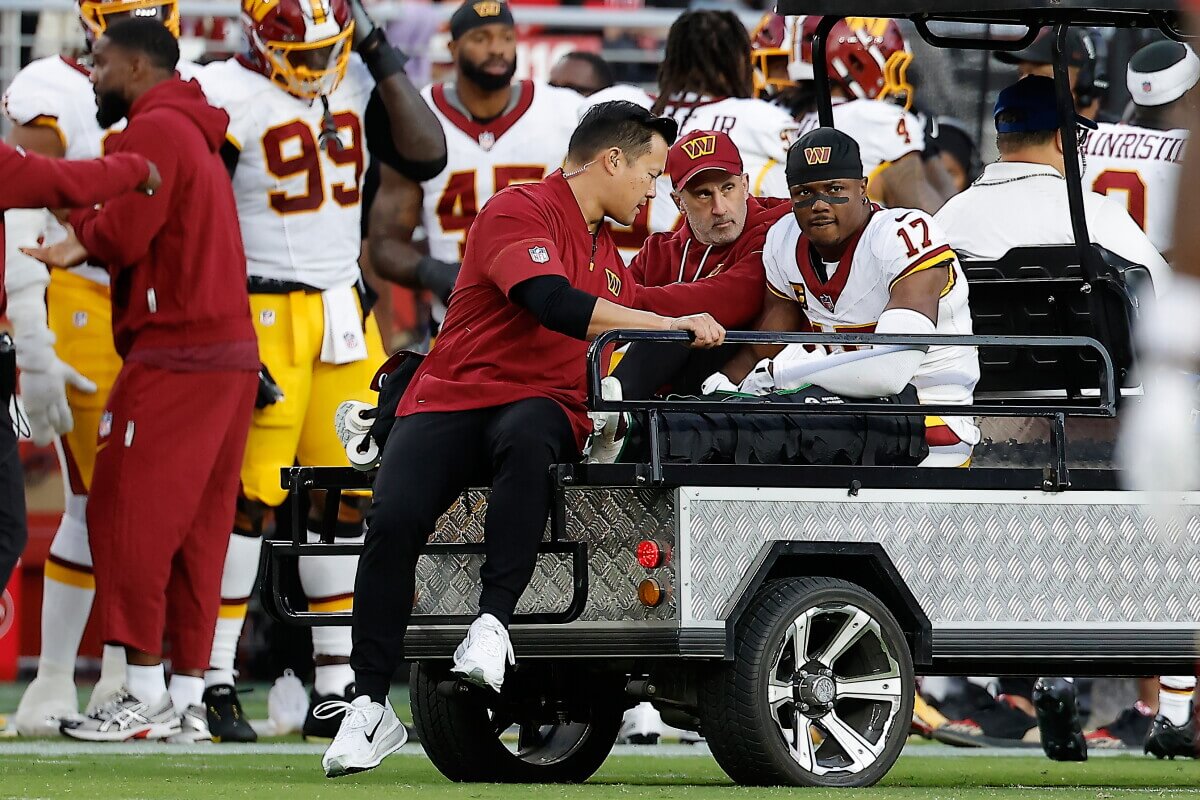
Whether you are walking up a flight of stairs, squatting down to pick up a box, or jumping during a football game, your knees are working hard to support your body weight and keep you moving. At the center of almost every lower body movement is a crucial piece of anatomy that often goes unnoticed until it causes pain. It is called the patellar tendon.
Understanding how this structure functions and how to care for it can help you stay active, prevent injuries, and get back on your feet faster.
What Is the Patellar Tendon?
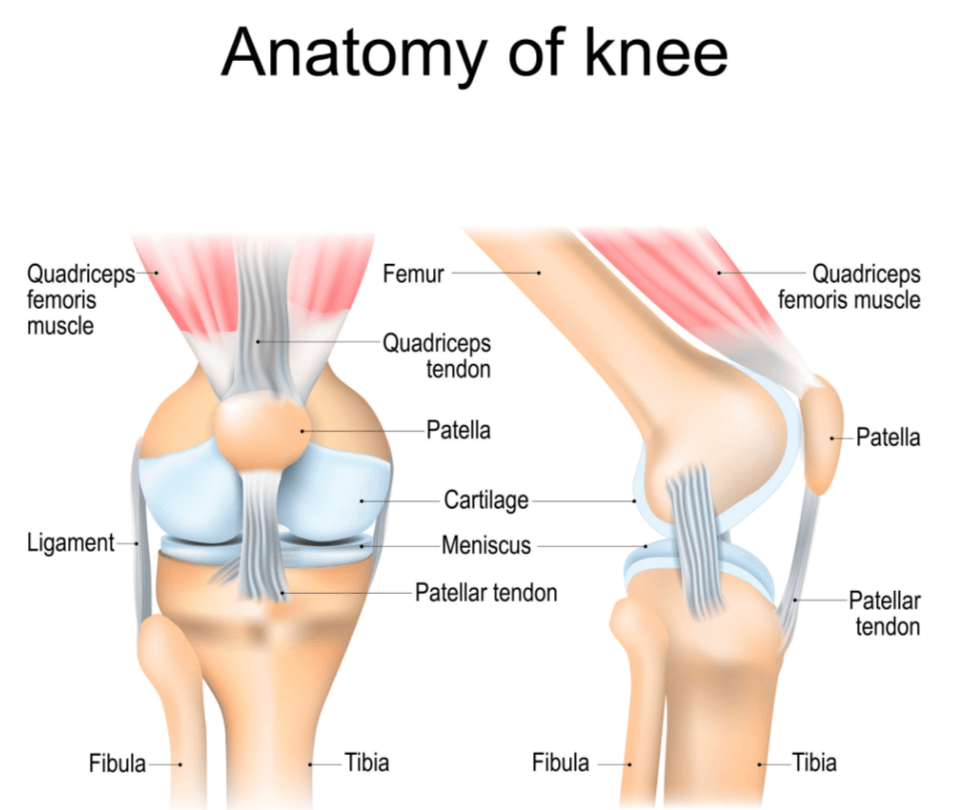
The patellar tendon is a thick, tough band of fibrous connective tissue located at the front of your knee. Technically, because it connects bone to bone (the kneecap to the shinbone), it functions as a ligament. However, because it is a direct continuation of the quadriceps tendon, it is universally referred to as a tendon.
Core Functions of the Patellar Tendon
The primary role of the patellar tendon is to act as a force transmitter between your thigh muscles and your lower leg.Here is how it powers your daily movements:
1. Knee Extension
When your quadriceps muscles contract, they pull on the quadriceps tendon, which holds the kneecap (patella). The patellar tendon then transfers that force across the knee joint to pull the shinbone (tibia) forward, allowing you to straighten your leg.
2. Force Absorption and Energy Storage
During high-impact activities like running, landing from a jump, or walking downhill, the patellar tendon acts like a spring. It absorbs intense ground impact forces and temporarily stores elastic energy to propel you into your next step or jump.
3. Joint Stability and Alignment
By maintaining a firm anchor between the patella and the tibial tuberosity (the small bony bump on your upper shin), the tendon ensures your kneecap glides smoothly along the femoral groove during bending and straightening.
Common Patellar Tendon Conditions
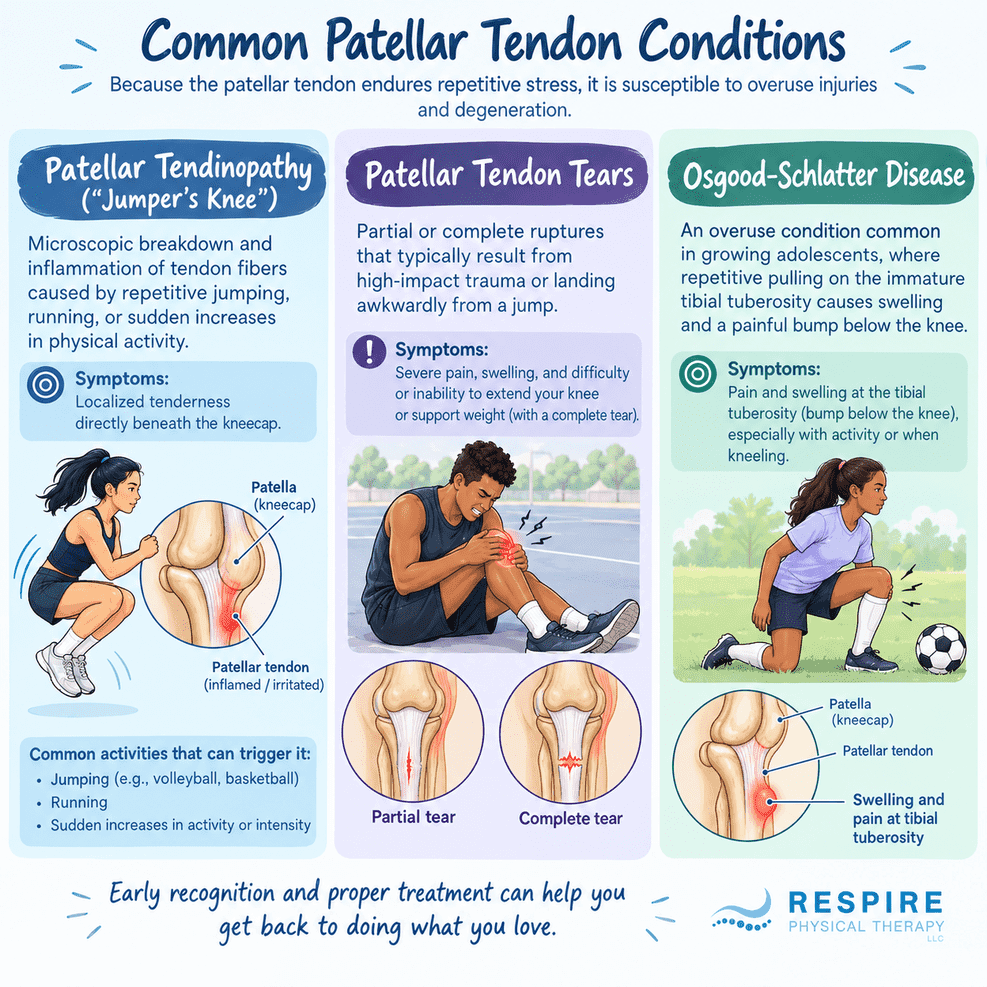
Because the patellar tendon endures repetitive stress, it is susceptible to overuse injuries and degeneration:
- Patellar Tendinopathy (“Jumper’s Knee”): Microscopic breakdown and inflammation of tendon fibers caused by repetitive jumping, running, or sudden increases in physical activity. Symptoms include localized tenderness directly beneath the kneecap.
- Patellar Tendon Tears: Partial or complete ruptures that typically result from high-impact trauma or landing awkwardly from a jump. A complete tear leaves you unable to extend your knee or support weight.
- Osgood-Schlatter Disease: An overuse condition common in growing adolescents, where repetitive pulling on the immature tibial tuberosity causes swelling and a painful bump below the knee.
How Physical Therapy Protects and Restores Your Patellar Tendon
If you are experiencing pain at the front of your knee, pushing through it often leads to chronic tendon degeneration.Physical therapy offers targeted, evidence based solutions to restore tendon function safely:
- Progressive Load Management: Tendons respond to controlled strain. We design specific eccentric (lengthening under tension) and isometric (static hold) exercise programs that stimulate collagen repair without overloading the tissue.
- Biomechanical & Movement Analysis: We evaluate your squatting, running, and jumping mechanics to identify hip weakness, ankle tightness, or movement compensations that put extra stress on your knee.
- Targeted Strength & Mobility Work: Building strength in the glutes, hamstrings, and calves reduces the mechanical burden placed directly on your quadriceps and patellar tendon.
- Hands On Manual Therapy: Modalities such as soft tissue mobilization and joint mobilizations help improve tissue compliance and relieve localized stiffness.
If you are experiencing knee pain from a patellar tendon injury, Respire PT’s physical therapists can help you get back to the activities and sports you love. Call Respire Physical Therapy at the Annandale Location (571-369-6728) or the Falls Church Location (703-671-1871) to schedule an appointment with one of our skilled Physical Therapists today! Click here to request an appointment online and we will contact you as soon as possible.

Tags: regain your movement freedom, Patellar tendonitis, jumper's knee, evidence based practice, arlingtonva, osgood-schlatter pain, alexandriava, patellar tendon tears, sport injury, fallschurchva, annandaleva, Physical Therapy, washingtondc, Respire Physical Therapy, health blog, physical therapist, pt education, knee pain