The elbow is one of the most complex joints in the human body. It is responsible for allowing us to lift, throw, push, and perform countless daily tasks. Because of its structure and high mobility, the elbow is also vulnerable to injuries such as dislocations, fractures, and chronic overuse conditions.
In this article, we will break down the anatomy of the elbow joint, explain how dislocations occur, and explore other common elbow problems that can benefit from physical therapy.
Anatomy of the Elbow Joint
The elbow is a hinge-type synovial joint that connects the upper arm bone (humerus) to the two forearm bones (radius and ulna). It allows both bending and straightening (flexion and extension) as well as rotational movements (pronation and supination) of the forearm.
Main Components:
- Bones:
- Humerus: The upper arm bone that forms the upper part of the joint.
- Ulna: The larger forearm bone, forming the “point” of the elbow.
- Radius: The smaller forearm bone that rotates during turning movements.
- Ligaments:
- Ulnar Collateral Ligament (UCL): Provides inner elbow stability, often injured in throwing athletes.
- Radial Collateral Ligament (RCL): Stabilizes the outer side of the joint.
- Annular Ligament: Holds the radial head in place, allowing forearm rotation.
- Muscles and Tendons:
The elbow is surrounded by strong muscles including the biceps (front of the arm), triceps (back of the arm), and forearm flexors and extensors which control hand and wrist motion.
Elbow Dislocations: Causes and Symptoms
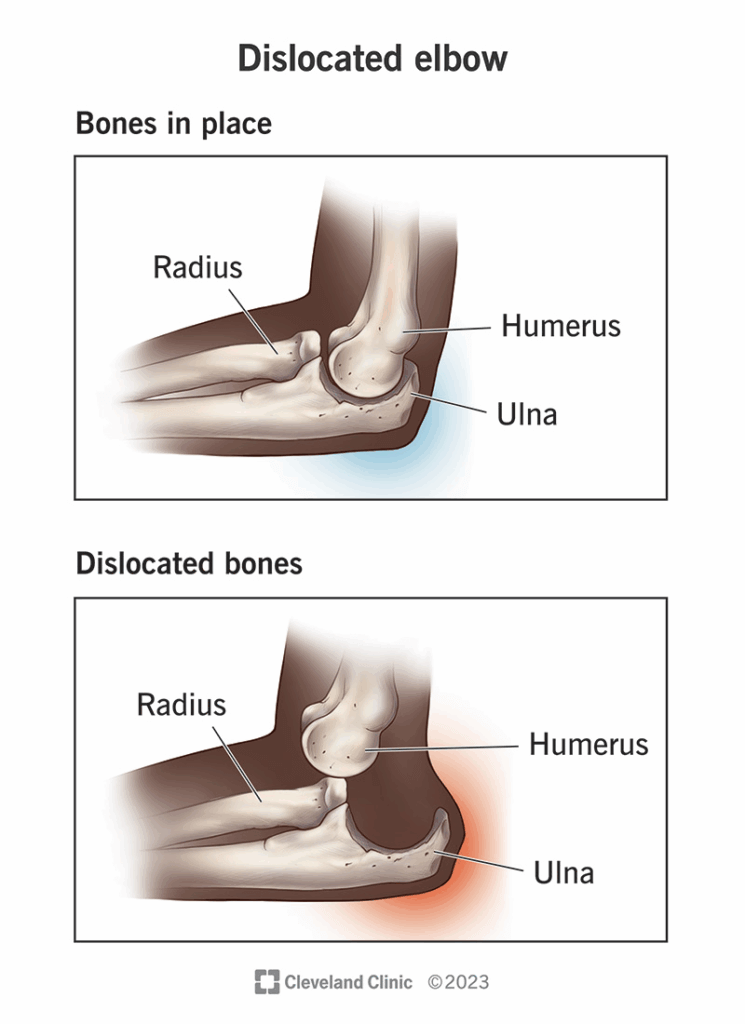
An elbow dislocation occurs when the bones of the forearm (radius and ulna) are forced out of alignment with the humerus. It’s one of the most common joint dislocations in adults, second only to the shoulder.
Common Causes:
- Falling onto an outstretched hand
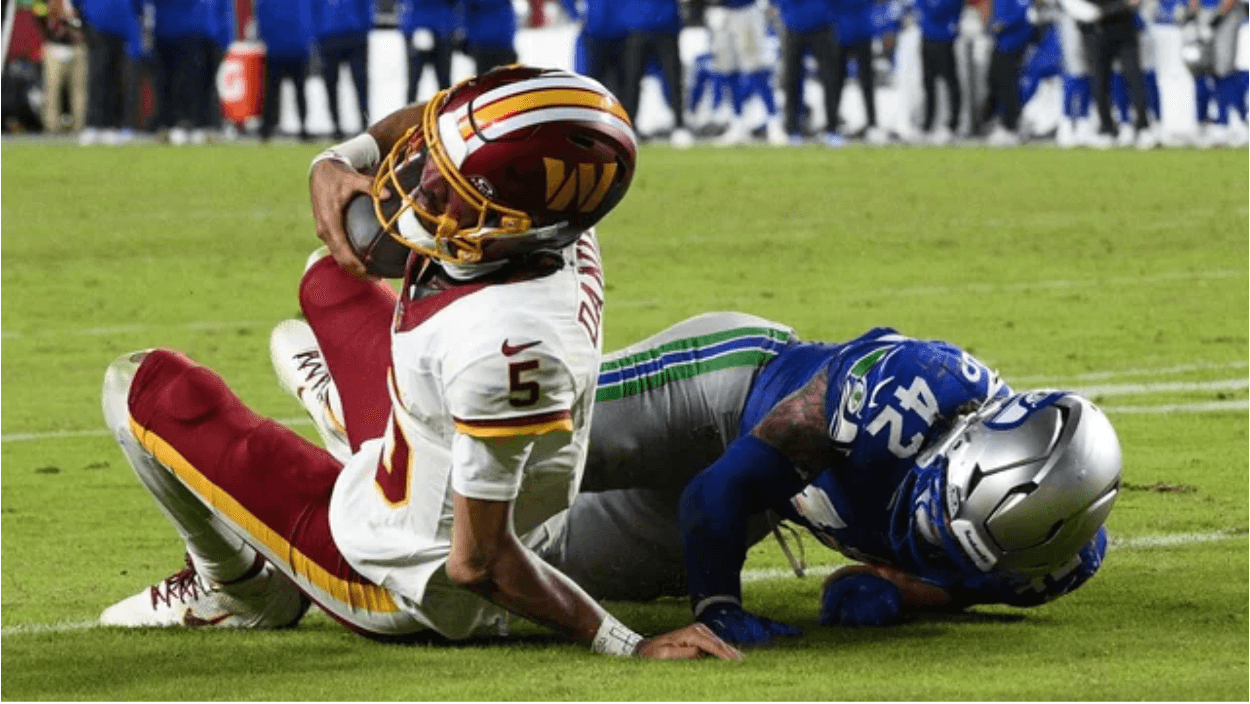
- High impact sports injuries
- Motor vehicle accidents
- Sudden twisting forces to the arm
Symptoms:
- Severe pain and visible deformity
- Swelling and bruising
- Inability to bend or straighten the arm
- Numbness or tingling in the fingers (if nerves are affected)
Elbow dislocations can range from simple dislocations (no bone fracture) to complex dislocations (accompanied by fractures of the radius, ulna, or humerus).
Other Common Elbow Problems
Even without a dislocation, the elbow can be affected by several overuse and degenerative conditions:
- Tennis Elbow (Lateral Epicondylitis): Inflammation of the tendons on the outside of the elbow from repetitive wrist and forearm motions.
- Golfer’s Elbow (Medial Epicondylitis): Pain on the inner side of the elbow due to overuse of the wrist flexors.
- Elbow Arthritis: Cartilage degeneration leading to stiffness, swelling, and reduced range of motion.
- Olecranon Bursitis: Swelling at the back of the elbow due to repetitive pressure or trauma.
- Nerve Entrapment (Cubital Tunnel Syndrome): Compression of the ulnar nerve, causing tingling and weakness in the hand and fingers.
How Physical Therapy Helps
Physical therapy plays a vital role in both rehabilitation after elbow injuries and prevention of future issues.
Your physical therapist may focus on:
- Restoring range of motion and flexibility
- Strengthening stabilizing muscles around the elbow and shoulder
- Reducing inflammation and pain through manual therapy and modalities
- Improving joint mechanics and functional movement patterns
- Educating on activity modification and ergonomic strategies
Early physical therapy intervention can help patients regain mobility faster, avoid stiffness, and prevent long term complications after elbow dislocation or other injuries.
If you have elbow pain that limits your daily activities, Respire’s physical therapists can help you get back to the life you love. Call Respire Physical Therapy at the Falls Church Location (703-671-1871) or the Annandale Location (571-369-6728) to schedule an appointment with one of our skilled Physical Therapists today! Click here to request an appointment online and we will contact you as soon as possible.

Tags: washingtondc, tennis elbow, choosept, lateral epicondylitis, medial epicondylitis, pain free living, arlingtonva, health blog, alexandriava, post operative care, sport injury, pt education, fallschurchva, movement is medicine, Physical Therapy, ptworks, evidence based practice, Respire Physical Therapy, joint pain relief, elbow dislocation, physical therapist, annandaleva