
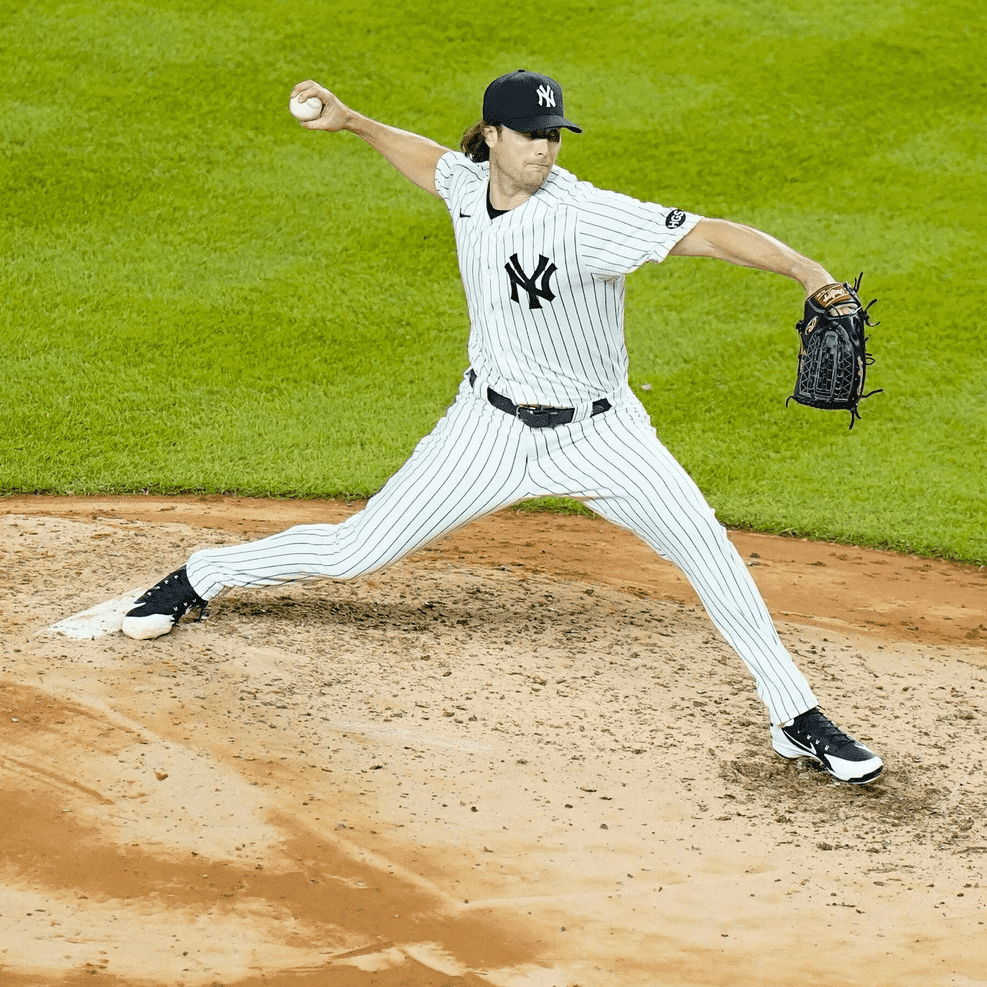
When most people think about baseball pitching performance, they focus on the shoulder, elbow, or arm strength. However, elite pitching velocity and durability begin much lower in the body. The lower extremities serve as the foundation of the pitching motion, generating force from the ground and transferring energy through the kinetic chain to the throwing arm. Without adequate lower body strength, mobility, and stability, pitchers may experience decreased performance, inefficient mechanics, and an increased risk of injury.
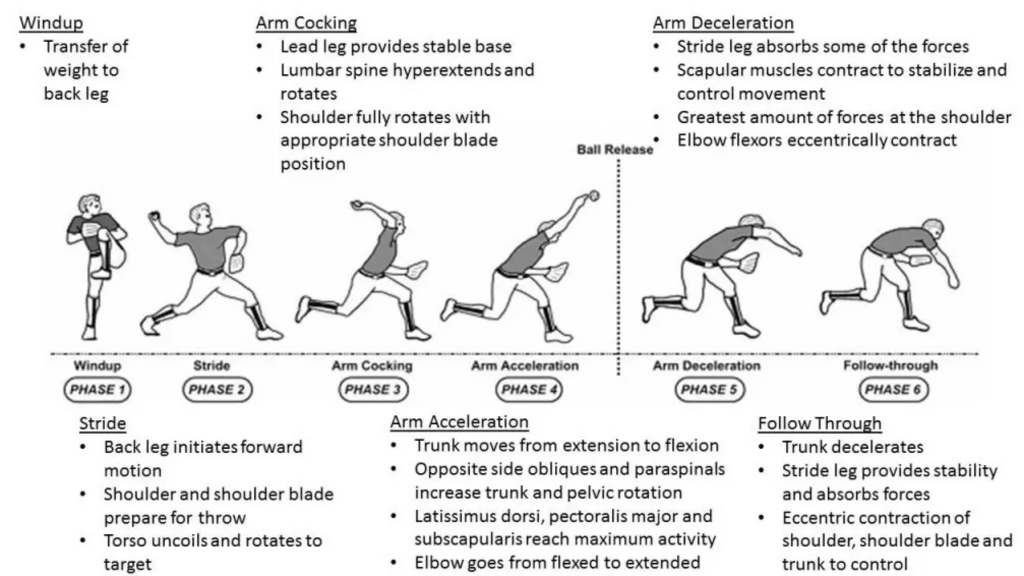
For baseball pitchers, the ability to efficiently utilize the legs and hips is essential not only for throwing harder, but also for protecting the arm from excessive stress throughout the season.
Understanding the Kinetic Chain in Pitching
Pitching is a full-body athletic movement that relies on coordinated sequencing throughout the body. This process, commonly referred to as the “kinetic chain,” starts from the ground and moves upward through the legs, pelvis, trunk, shoulder, arm, and finally the hand.
The lower body is responsible for producing a significant portion of the force required during pitching. The legs generate power through ground reaction forces, while the hips and core transfer this energy into rotational velocity. When the lower body is functioning efficiently, the arm acts more like a whip rather than the primary source of power.
However, if there are limitations in lower body strength or mobility, the body compensates by placing greater stress on the shoulder and elbow. Over time, these compensations can contribute to overuse injuries such as rotator cuff irritation, labral injuries, or ulnar collateral ligament (UCL) strain.
Why Lower Body Strength Matters for Pitchers
Force Production and Pitch Velocity
Pitch velocity begins with force generation from the legs. During the pitching motion, the drive leg pushes against the mound to create momentum toward home plate. Strong glutes, quadriceps, hamstrings, and calves allow pitchers to produce greater force and transfer energy more efficiently.
Research has shown that pitchers with improved lower body power often demonstrate increased throwing velocity. Exercises focused on lower extremity strength and explosive power can help athletes improve mound performance while reducing reliance on the arm alone.
Stability and Balance
Pitching requires exceptional single-leg stability. Throughout various phases of the pitching motion, pitchers must control body positioning while rapidly transitioning forces through one leg at a time.
Weakness in the hips or lower extremities may lead to:
- Loss of balance during delivery
- Poor stride mechanics
- Reduced trunk control
- Increased stress on the shoulder and elbow
Strong hip stabilizers and core musculature help pitchers maintain proper alignment and improve mechanical efficiency throughout the throwing motion.
Injury Prevention
Lower body weakness is commonly associated with altered pitching mechanics. When the legs fatigue or fail to generate sufficient force, the upper extremity often compensates.
This compensation may increase:
- Shoulder rotational stress
- Elbow valgus stress
- Arm fatigue
- Mechanical breakdown late in games
Addressing lower body deficits can therefore play a critical role in reducing injury risk and improving long-term durability.
The Importance of Mobility in Baseball Pitchers
While strength is essential, mobility is equally important for efficient pitching mechanics.
Hip Mobility
The hips are one of the most critical regions for rotational movement during pitching. Adequate hip internal and external rotation allows pitchers to load and transfer energy effectively.
Restricted hip mobility can lead to:
- Reduced stride length
- Early trunk rotation
- Decreased velocity
- Increased arm stress
Limited hip mobility may also force compensatory movement patterns in the lumbar spine or shoulder, increasing the likelihood of overuse injuries.
Ankle Mobility
Ankle dorsiflexion mobility is often overlooked in pitchers. Restrictions at the ankle can impair force transfer, balance, and lower body mechanics during the stride and landing phases.
Poor ankle mobility may contribute to:
- Reduced power generation
- Impaired landing mechanics
- Decreased stability during follow-through
Thoracic and Pelvic Mobility
Although not technically part of the lower extremity, mobility of the pelvis and thoracic spine works closely with the hips to create rotational efficiency. Proper mobility throughout these regions allows pitchers to generate separation between the hips and shoulders, a key component of velocity development.
How Physical Therapy Can Help
A comprehensive physical therapy evaluation can identify movement limitations, asymmetries, and strength deficits that may impact pitching mechanics.
Treatment often includes:
- Hip mobility interventions
- Lower extremity strengthening
- Single-leg stability training
- Core strengthening
- Rotational power development
- Movement retraining and pitching mechanics assessment
Physical therapists who work with overhead athletes can also help pitchers safely progress through throwing programs and return-to-play protocols after injury.
Final Thoughts
For baseball pitchers, performance truly starts from the ground up. The lower body plays a foundational role in force production, stability, mobility, and injury prevention throughout the pitching motion. While the shoulder and elbow often receive the most attention, deficiencies in the legs and hips can significantly impact throwing mechanics and increase stress on the arm.
By prioritizing lower body strength and mobility, pitchers can improve efficiency, enhance velocity, and reduce injury risk over the course of a demanding season. A comprehensive approach that includes physical therapy assessment, strength training, and mobility work is essential for optimizing both performance and long-term health on the mound.
If you are a baseball or softball pitcher, physical therapy can help improve your functional abilities. Call Respire Physical Therapy at the Falls Church Location (703-671-1871) or the Annandale Location (571-369-6728) to schedule an appointment with one of our skilled Physical Therapists today! Click here to request an appointment online and we will contact you as soon as possible.

Tags: washingtondc, physical therapist, health blog, movementismedicine, return to sport, pt education, choosept, regain your movement freedom, arlingtonva, pt works, alexandriava, baseball pitch, Physical Therapy, fallschurchva, Respire Physical Therapy, annandaleva, Shoulder Injury, painfreeliving, Shoulder Pain