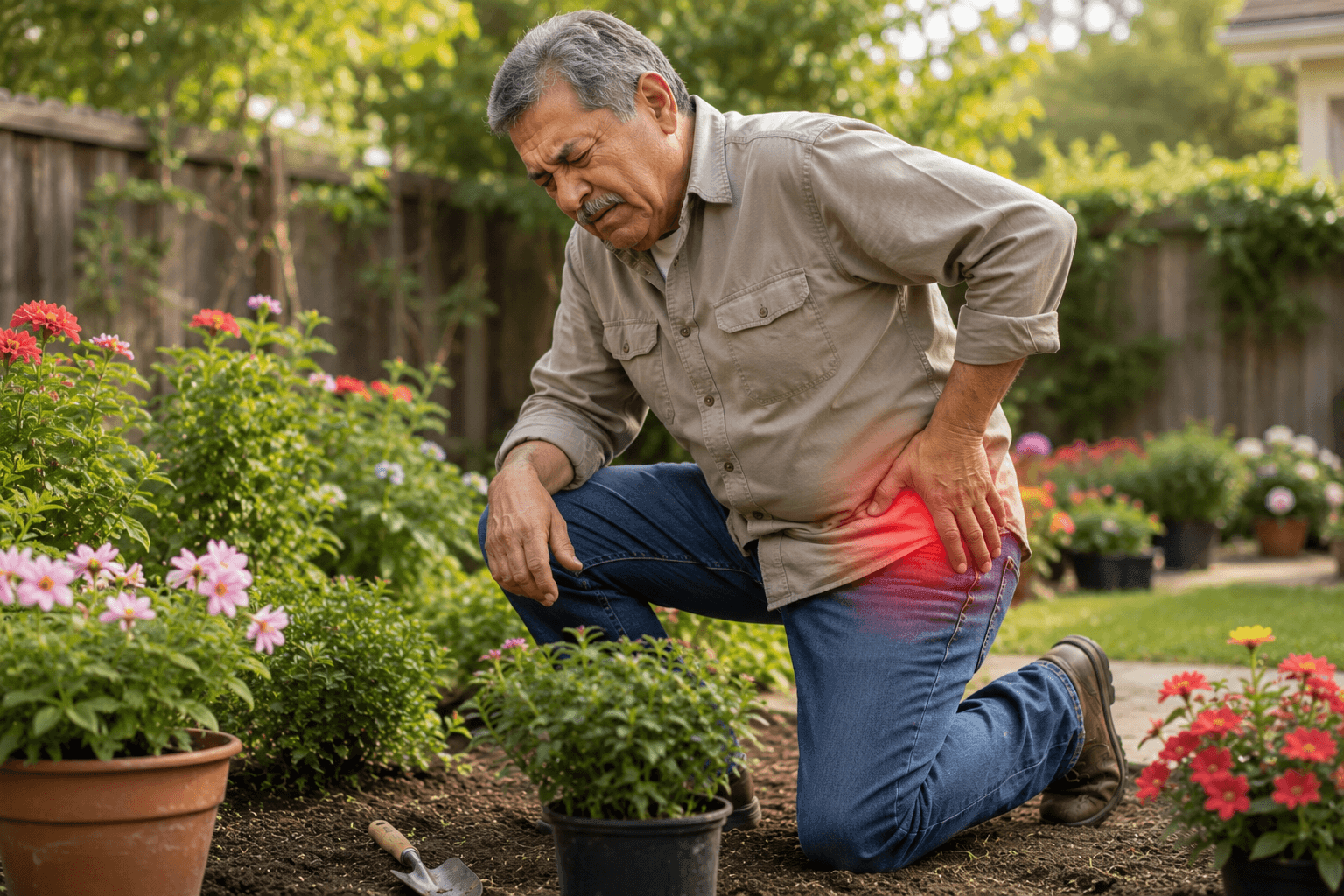
Hip osteoarthritis can make everyday movement feel more challenging. Activities you once enjoyed—walking, gardening, golfing, hiking, playing with your kids or grandkids, or exercising—may start to cause stiffness or discomfort. It can be tempting to stop doing the things you love altogether. But a diagnosis of hip osteoarthritis does not automatically mean giving up an
Preserving your knee joints through physical therapy is one of the most effective ways to maintain mobility, reduce pain, and prevent long-term damage as you age or recover from injury. Physical therapy focuses on strengthening the muscles that support the knees—especially the quadriceps, hamstrings, and hips—which helps reduce stress on the joint itself. Therapists also
If you’ve ever rolled over in bed or looked up quickly and suddenly felt like the room was spinning, you know how unsettling vertigo can be. One of the most common causes of these brief but intense dizzy spells is Benign Paroxysmal Positional Vertigo (BPPV). While the name may sound complex, the condition is well
When most people think about baseball pitching performance, they focus on the shoulder, elbow, or arm strength. However, elite pitching velocity and durability begin much lower in the body. The lower extremities serve as the foundation of the pitching motion, generating force from the ground and transferring energy through the kinetic chain to the throwing
A hip labral tear refers to damage or a rip in the ring of cartilage (labrum) that surrounds the hip joint socket, providing stability and cushioning. This injury can occur due to trauma, repetitive movements, or degenerative conditions. Common symptoms of a hip labral tear include pain in the groin or hip area, clicking or