

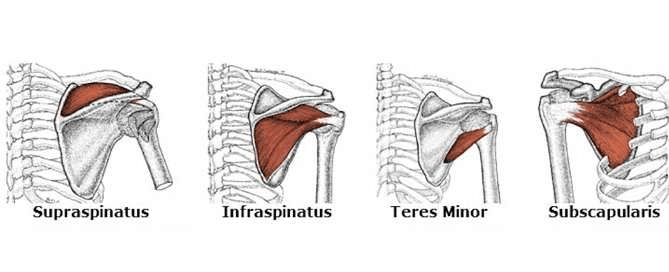
Shoulder pain is incredibly common, and rotator cuff tendinopathy is one of the most frequent causes. Unfortunately, misinformation often leads people to avoid movement, delay treatment, or assume surgery is inevitable.
Let’s clear things up by breaking down five of the most common myths—and what actually helps rotator cuff tendinopathy heal.
Myth #1: Rotator Cuff Tendinopathy Is the Same as a Tear
The truth: Tendinopathy and tears are not the same thing.
Rotator cuff tendinopathy refers to irritation or degeneration of the tendon, not a full rupture. Many people with tendinopathy do not have a tear—and even when small tears are present, they’re often manageable without surgery.
Physical therapy focuses on improving shoulder mechanics, strength, and load tolerance so the tendon can recover.
Myth #2: Rest Is the Best Treatment
The truth: Too much rest can slow recovery.
While temporarily avoiding painful movements can help calm symptoms, complete rest weakens the shoulder and reduces tendon capacity. Tendons need the right amount of load to heal.
Physical therapy uses progressive, targeted exercise to strengthen the rotator cuff safely and restore function.
Myth #3: Shoulder Pain Means You’re Causing More Damage
The truth: Pain does not always equal harm.
Tendinopathy pain is often related to irritation and sensitivity, not ongoing tissue damage. Avoiding all movement out of fear can actually prolong symptoms.
A physical therapist helps you understand which movements are safe and how to gradually return to normal activity without flare-ups.
Myth #4: Imaging Is Required to Diagnose Rotator Cuff Tendinopathy
The truth: Imaging doesn’t tell the whole story.
MRIs often show tendon changes in people without any pain, especially as we age. A thorough physical exam—including movement testing, strength assessment, and symptom behavior—is often more useful than imaging alone.
Physical therapists diagnose based on how your shoulder functions, not just what a scan shows.
Myth #5: Surgery or Injections Are the Only Real Solutions
The truth: Most cases improve with conservative care.
Research consistently shows that exercise-based physical therapy is highly effective for rotator cuff tendinopathy. Many people regain strength and reduce pain without injections or surgery.
PT addresses:
- Muscle imbalances
- Poor shoulder mechanics
- Weakness and mobility limitations
- Activity and posture contributors
Surgery is typically considered only after conservative treatment fails.
What Actually Helps Rotator Cuff Tendinopathy?
The most effective treatment approach includes:
- Progressive strengthening exercises
- Scapular and shoulder stability training
- Gradual return to overhead and daily activities
- Education on posture, work habits, and sleep positions
A personalized physical therapy program treats the cause, not just the symptoms.
Don’t Let Myths Delay Your Recovery
Believing these myths can keep you stuck in pain longer than necessary. With the right guidance, rotator cuff tendinopathy is very treatable.
If you have shoulder pain, physical therapy can help properly evaluate and improve your symptoms. Call Respire Physical Therapy at the Falls Church Location (703-671-1871) or the Annandale Location (571-369-6728) to schedule an appointment with one of our skilled Physical Therapists today! Click here to request an appointment online and we will contact you as soon as possible.

Tags: health blog, pt education, movement is medicine, choosept, evidence based practice, arlingtonva, rotator cuff tendonitis, alexandriava, Physical Therapy, fallschurchva, Respire Physical Therapy, ptworks, Shoulder Injury, annandaleva, Shoulder Pain, painfreeliving, physical therapist, washingtondc