

Nerve pain can be one of the most uncomfortable and limiting conditions to live with. For those experiencing Peripheral Neuropathy, symptoms like tingling, burning, numbness, and sharp pain can make everyday activities feel challenging. It’s natural to think that rest is the best solution—but in many cases, the right kind of movement is one of the most effective ways to feel better.
Physical therapy focuses on safe, guided movement strategies that can help reduce pain, improve function, and restore confidence in your body.
Understanding Nerve Pain in Peripheral Neuropathy
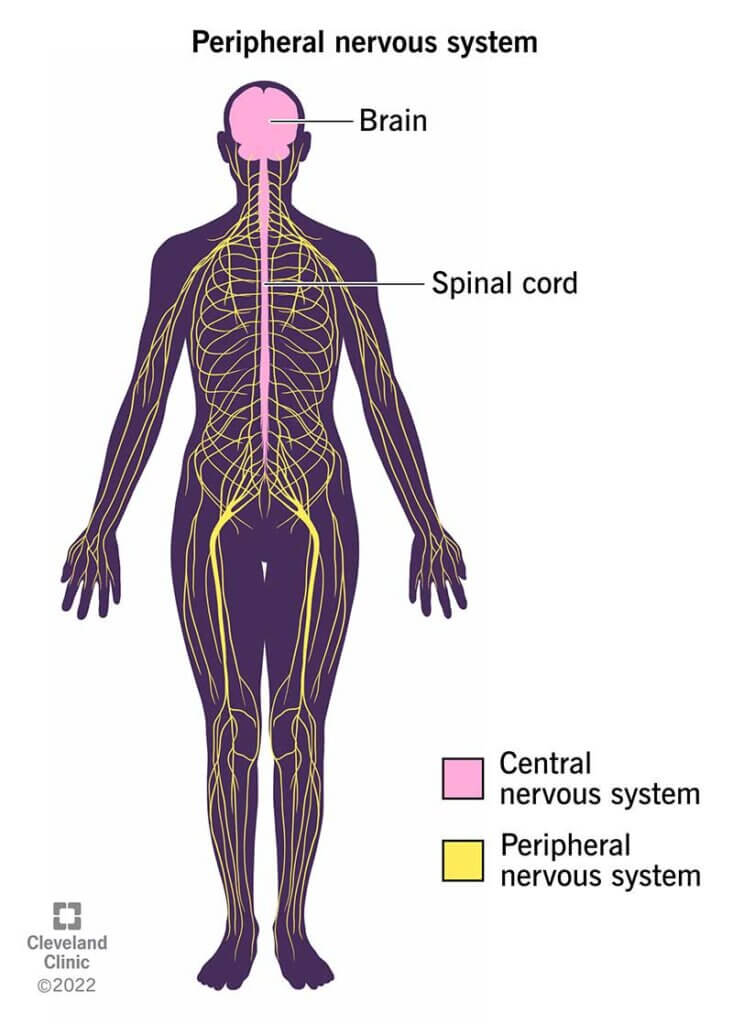
Peripheral neuropathy occurs when nerves outside the brain and spinal cord are damaged or disrupted. This can interfere with how signals travel between your brain and body, leading to unusual or painful sensations.
Common causes include:
- Diabetes
- Chemotherapy
- Injury or trauma
- Vitamin deficiencies
- Certain medical conditions
Symptoms often begin in the hands or feet and may gradually spread. Along with pain, many people also experience weakness, balance issues, and reduced coordination.
Why Movement Matters
When you’re in pain, avoiding activity may seem like the safest choice. However, too little movement can actually worsen stiffness, weakness, and circulation issues—making symptoms harder to manage over time.
Targeted movement, guided by a physical therapist, can help:
- Improve blood flow to nerves and surrounding tissues
- Maintain muscle strength and joint flexibility
- Retrain balance and coordination
- Reduce sensitivity to pain signals
- Support overall mobility and independence
In short, movement helps your body adapt and function more efficiently despite nerve damage.
Physical Therapy Strategies That Help
A physical therapy program for peripheral neuropathy is personalized, but it often includes a combination of the following approaches:
1. Gentle Aerobic Exercise
Low-impact activities such as walking, cycling, or aquatic therapy can increase circulation and support nerve health without placing excessive stress on your joints.
2. Strength Training
Weak muscles—especially in the legs and feet—can contribute to instability. Strengthening exercises help improve posture, walking ability, and overall control.
3. Balance and Coordination Training
Nerve damage can affect your sense of position, increasing fall risk. Balance exercises help retrain your body and improve confidence in daily movements.
4. Flexibility and Stretching
Tight muscles can increase discomfort and restrict movement. Stretching helps maintain mobility and may reduce tension associated with nerve pain.
5. Nerve Gliding Exercises
These specific movements are designed to help nerves move more freely within surrounding tissues, which may reduce irritation and improve function.
Tips for Moving Safely
If you’re dealing with peripheral neuropathy, it’s important to approach movement in a safe and structured way:
- Start slow and build gradually
- Wear supportive, well-fitting shoes
- Use assistive devices if recommended
- Exercise in a safe environment to reduce fall risk
- Pay attention to how your body responds
Working with a physical therapist ensures that your program is both effective and appropriate for your specific needs.
Consistency Is Key
The benefits of movement don’t happen overnight. Regular, consistent activity is what leads to meaningful improvements over time. Even small, daily efforts can add up to better strength, reduced pain, and improved balance.
Take Control of Your Nerve Pain
Living with peripheral neuropathy can feel unpredictable, but you are not without options. Movement—when done correctly—can be a powerful tool in managing nerve pain and improving your quality of life.
If you’re struggling with symptoms, a physical therapist can guide you through a customized plan designed to help you move more comfortably and confidently.
If you have peripheral neuropathy, physical therapy can help properly evaluate and improve your symptoms. Call Respire Physical Therapy at the Falls Church Location (703-671-1871) or the Annandale Location (571-369-6728) to schedule an appointment with one of our skilled Physical Therapists today! Click here to request an appointment online and we will contact you as soon as possible.

Tags: washingtondc, physical therapist, health blog, peripheral neuropathy, balance training, choosept, nerve pain, arlingtonva, pt education, alexandriava, regain your movement freedom, fallschurchva, movement is medicine, ptworks, evidence based practice, Physical Therapy, annandaleva, Respire Physical Therapy, painfreeliving