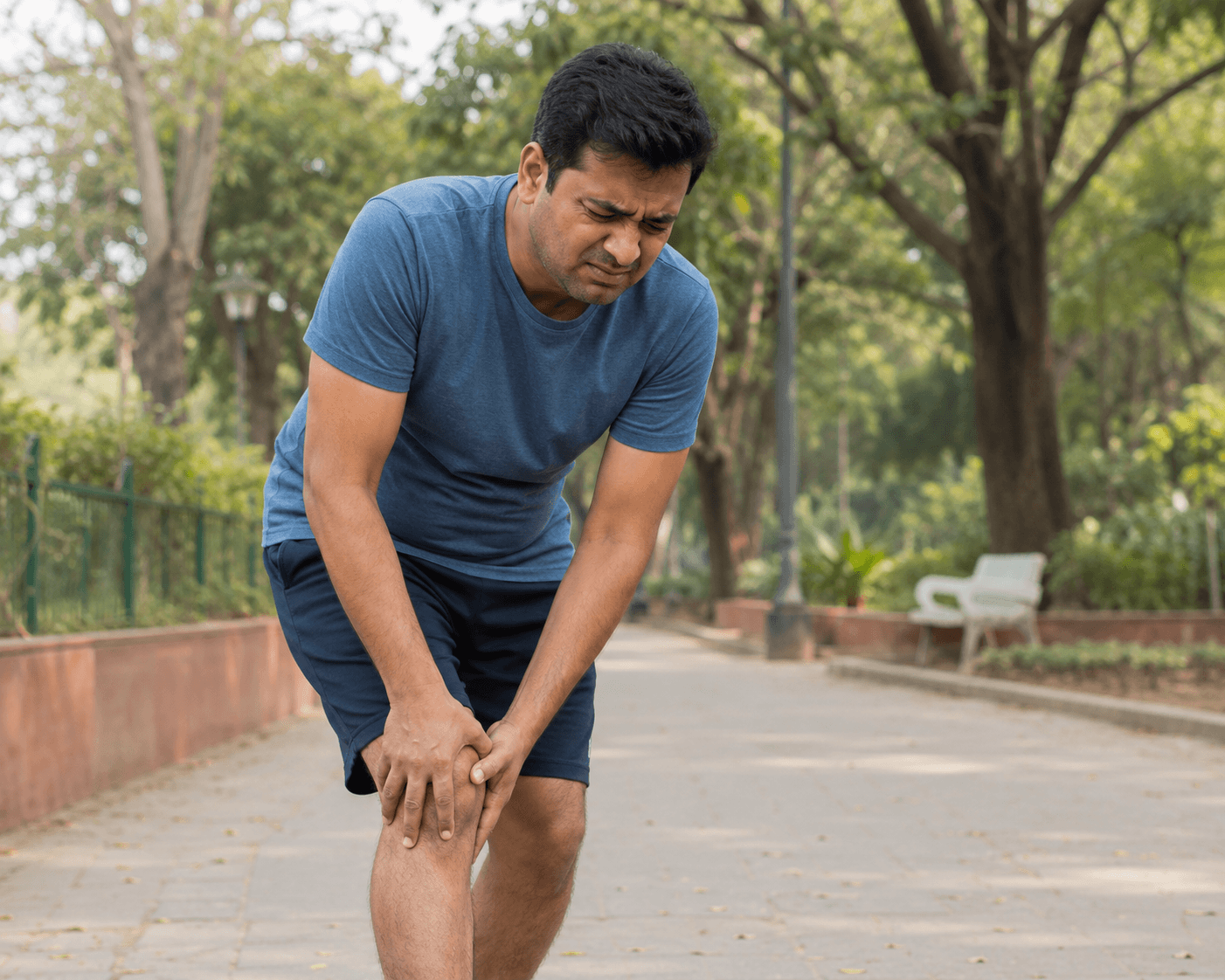
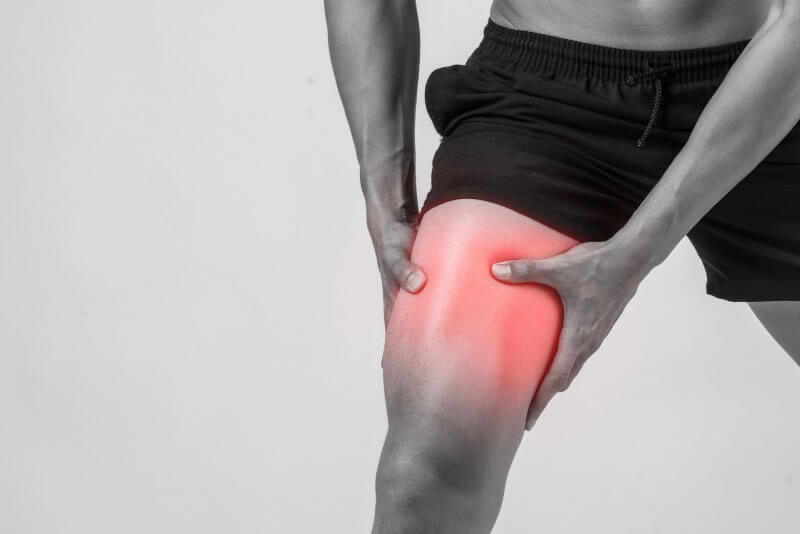
Preserving your knee joints through physical therapy is one of the most effective ways to maintain mobility, reduce pain, and prevent long-term damage as you age or recover from injury. Physical therapy focuses on strengthening the muscles that support the knees—especially the quadriceps, hamstrings, and hips—which helps reduce stress on the joint itself. Therapists also
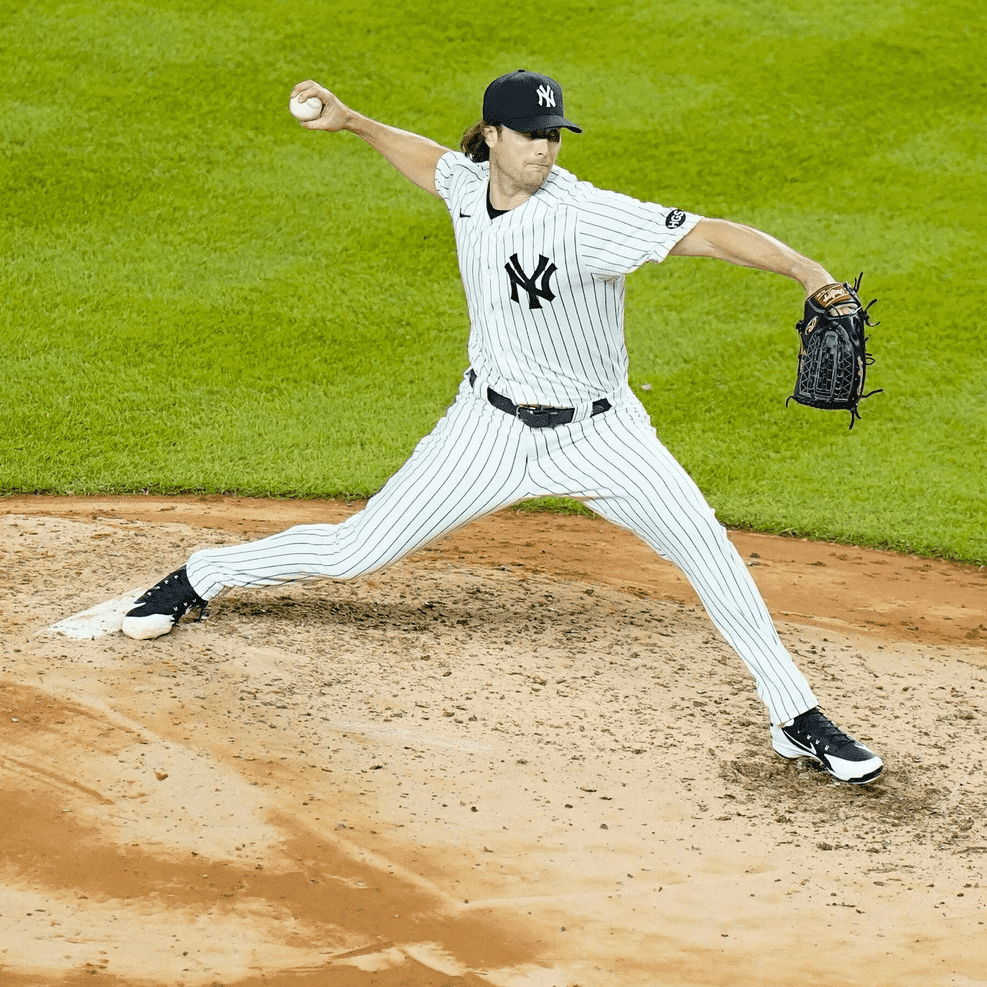
When most people think about baseball pitching performance, they focus on the shoulder, elbow, or arm strength. However, elite pitching velocity and durability begin much lower in the body. The lower extremities serve as the foundation of the pitching motion, generating force from the ground and transferring energy through the kinetic chain to the throwing
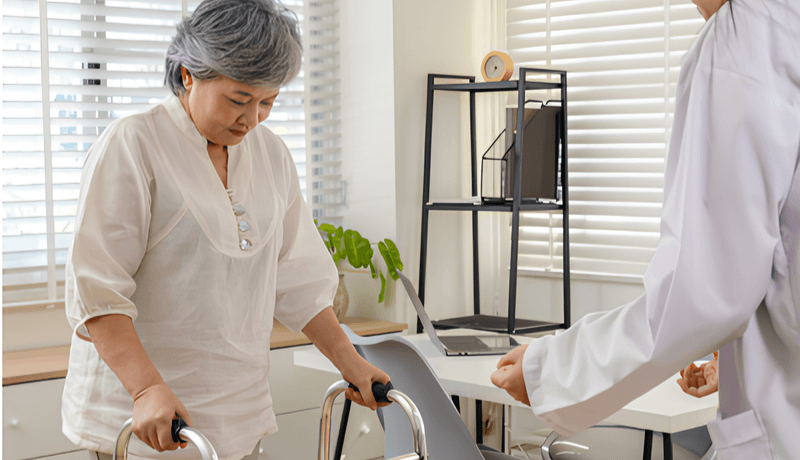
Recovering from hip replacement surgery is an important journey toward moving more comfortably, reducing pain, and getting back to the activities you enjoy. While the surgery itself replaces the damaged joint, physical therapy plays a major role in helping you regain strength, mobility, balance, and confidence during recovery. Whether you recently had surgery or are
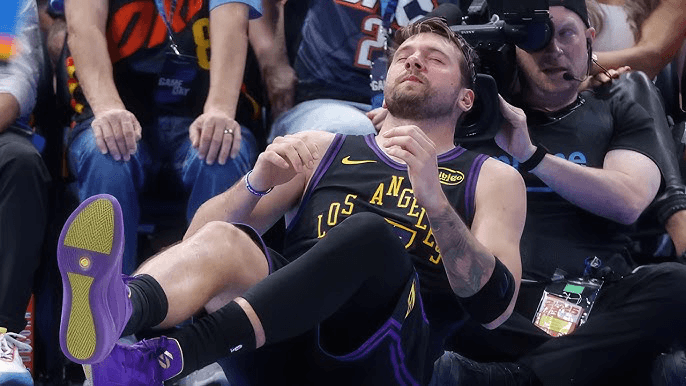
If you have ever felt a sudden pull, tightness, or sharp pain in the back of your thigh, you may be dealing with a hamstring strain. But not all hamstring injuries are the same. Understanding whether it is a Grade 1, 2, or 3 hamstring strain can make a huge difference in how you treat
Adductor training is essential for athletes because the adductor muscles—located on the inner thigh—play a key role in stabilizing the hips, controlling leg movement, and generating power during many athletic actions. Strong adductors help athletes perform movements such as cutting, sprinting, changing direction, and kicking with greater efficiency and control. They also contribute to pelvic
You rolled your ankle months ago. The swelling went down. You got back to work, back to the gym, back to the field. And then it happened again. If your ankle keeps “giving out,” feeling wobbly, or spraining over and over, you may be dealing with chronic ankle instability (CAI) — a common condition that
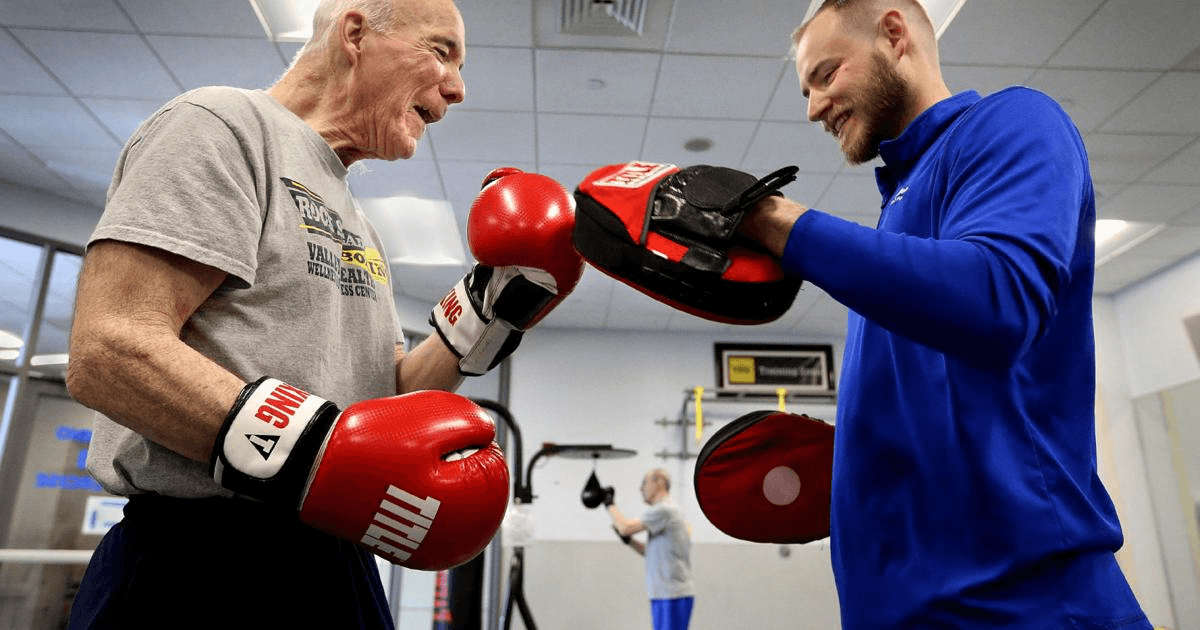
Parkinson’s disease is a progressive neurological condition that affects movement, balance, coordination, and muscle control. While medications and medical care play a critical role in managing symptoms, exercise has emerged as one of the most powerful tools available for people living with Parkinson’s. Regular physical activity can help improve mobility, maintain independence, and even slow
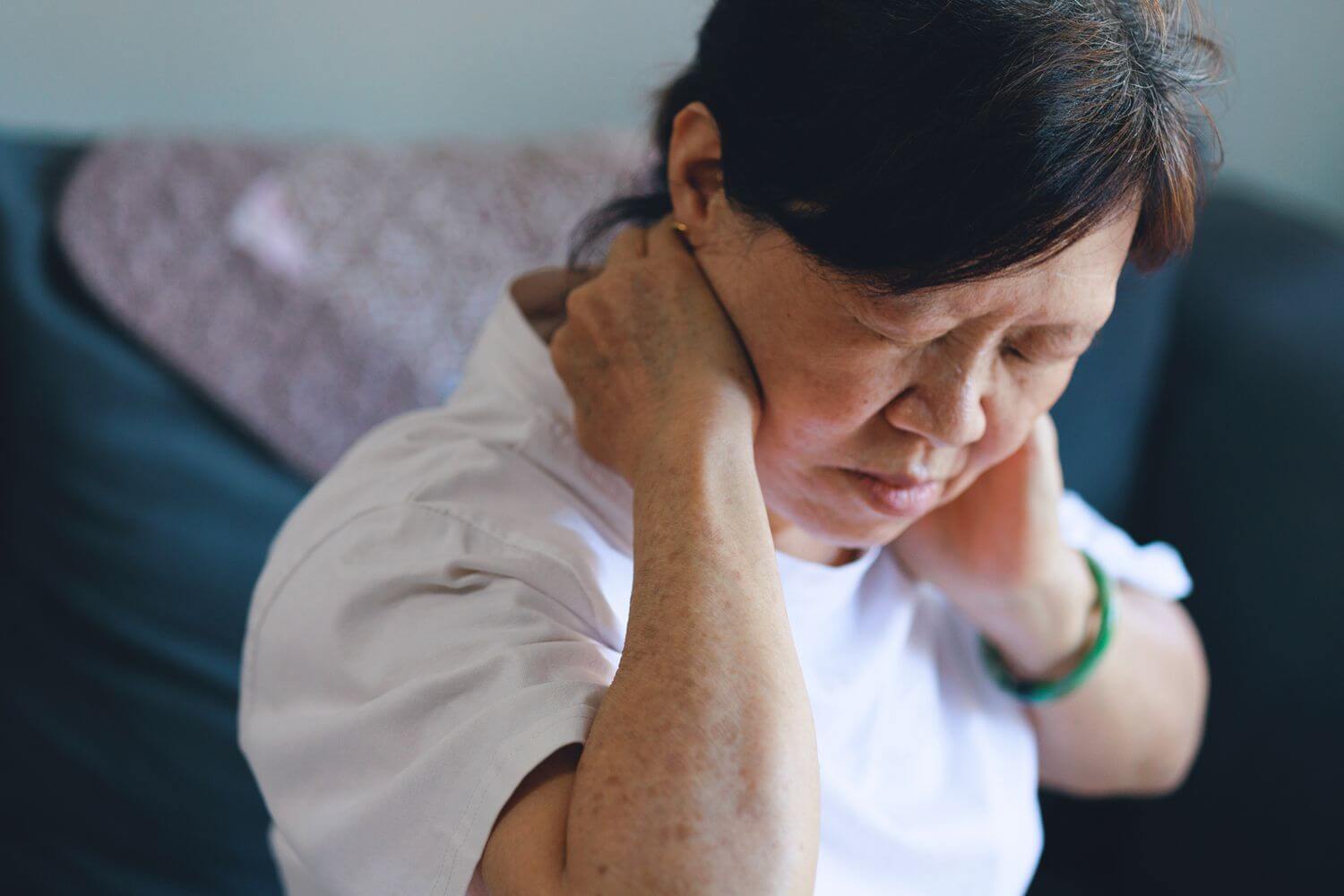
If you’re feeling pain, numbness, tingling, or weakness traveling from your neck down into your shoulder, arm, or hand, you might be dealing with cervical radiculopathy—often referred to as a pinched nerve in the neck. This condition can be confusing and frustrating. After all, why would a neck problem cause pain in your arm? Let’s
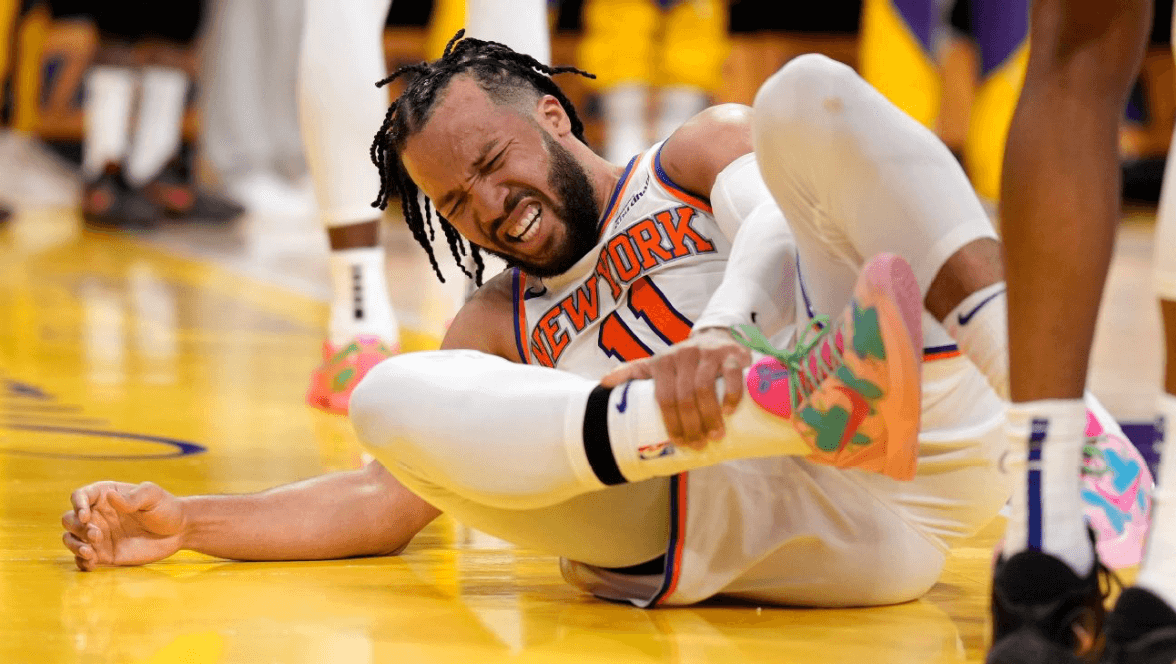
Ankle sprains are one of the most common musculoskeletal injuries we see in physical therapy. Whether it happens during sports, a workout, or simply stepping off a curb the wrong way, ankle sprains can be painful, frustrating, and surprisingly limiting. Understanding which ligaments are most commonly injured can help you recognize the severity of your