

Shoulder instability can make everyday activities feel unpredictable. Whether you’re reaching for something on a high shelf, throwing a ball, or simply lifting your arm, an unstable shoulder can cause pain, weakness, or the unsettling sensation that the joint might “give out.” Fortunately, physical therapy is one of the most effective ways to restore stability, reduce pain, and help you return to the activities you enjoy.
What Is Shoulder Instability?
The shoulder is the most mobile joint in the body, allowing you to move your arm in nearly every direction. This impressive range of motion comes with a tradeoff: the shoulder is also more susceptible to instability.
Shoulder instability occurs when the structures that keep the ball of the upper arm bone centered in the shoulder socket become stretched, torn, or weakened. As a result, the shoulder may partially slip out of place (subluxation) or completely dislocate.
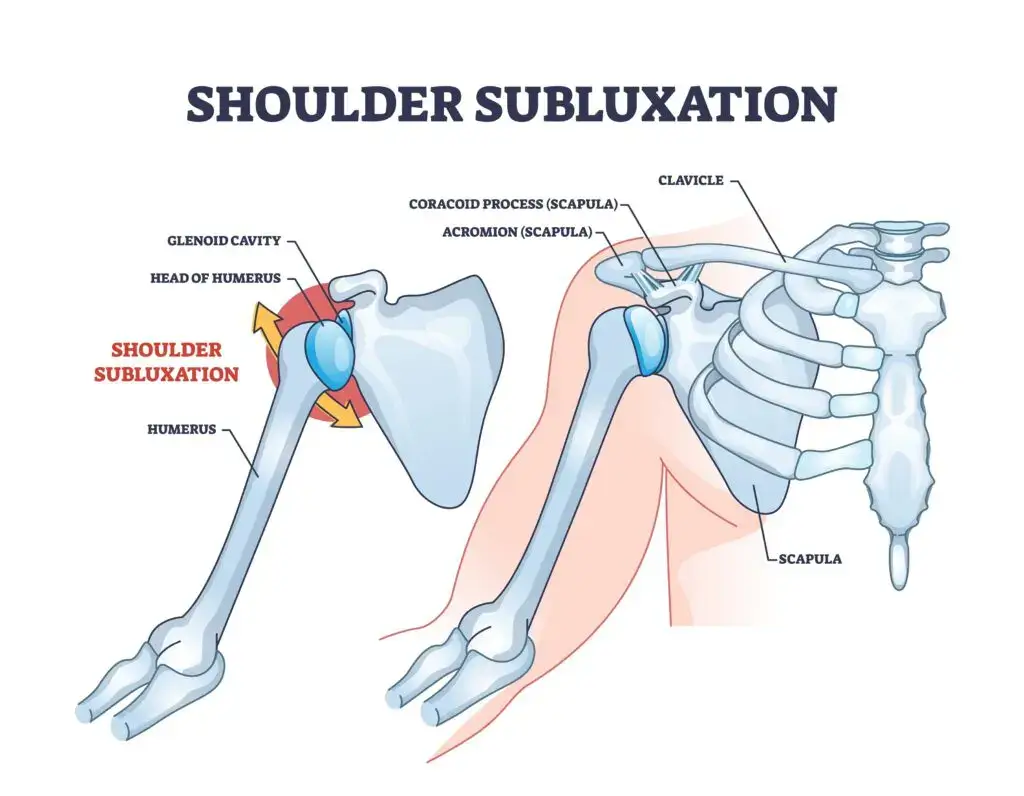
Some people experience instability after a traumatic injury, while others develop it gradually from repetitive overhead movements or naturally loose joints.
Common Causes of Shoulder Instability
Several factors can contribute to shoulder instability, including:
- Traumatic shoulder dislocations from falls, sports injuries, or accidents
- Repetitive overhead activities, such as swimming, tennis, volleyball, or baseball
- Weakness in the muscles that stabilize the shoulder blade and rotator cuff
- Ligament laxity or hypermobility
- Previous shoulder injuries that did not fully heal
Young athletes and individuals who participate in contact or overhead sports are particularly at risk.
Signs and Symptoms
Shoulder instability symptoms can vary from mild to severe. Common signs include:
- Shoulder pain during movement or activity
- A feeling that the shoulder is loose or unstable
- Repeated shoulder dislocations or partial dislocations
- Clicking, popping, or catching sensations
- Weakness when lifting or reaching overhead
- Limited confidence using the affected arm
- Decreased range of motion after injury
How Physical Therapy Helps
Physical therapy is often the first line of treatment for many cases of shoulder instability. A customized rehabilitation program focuses on improving the strength, control, and coordination of the muscles that support the shoulder joint.
Your physical therapist will perform a comprehensive evaluation to identify the underlying cause of your instability and develop an individualized treatment plan.
Pain Management
Early treatment may include techniques to reduce pain and inflammation, such as:
- Manual therapy
- Activity modification
- Therapeutic modalities when appropriate
- Gentle mobility exercises
Reducing discomfort allows you to begin strengthening safely.
Strengthening the Shoulder
Strong muscles provide dynamic stability to the shoulder joint. Your program may include exercises targeting:
- Rotator cuff muscles
- Shoulder blade (scapular) stabilizers
- Upper back muscles
- Core muscles that support overall movement
These muscles work together to keep the shoulder properly aligned during daily activities.
Improving Stability and Control
Recovery involves more than simply getting stronger. Physical therapists also focus on improving proprioception—the body’s awareness of joint position.
Balance and stability exercises help retrain the shoulder to respond appropriately during movement, reducing the risk of future instability episodes.
Restoring Mobility
After injury, some individuals develop stiffness while others have excessive mobility. Physical therapy aims to restore healthy movement without compromising stability.
Your therapist will guide you through stretches and mobility exercises that are appropriate for your condition.
Returning to Sports and Daily Activities
As your shoulder becomes stronger and more stable, your rehabilitation progresses to functional exercises that mimic your daily activities, work tasks, or sports.
Athletes often complete sport-specific training before returning to competition to help minimize the risk of reinjury.
Can Shoulder Instability Be Prevented?
While not every injury is preventable, you can lower your risk by:
- Maintaining strong shoulder and upper back muscles
- Performing proper warm-up exercises before activity
- Using correct technique during sports and exercise
- Avoiding sudden increases in training intensity
- Addressing shoulder pain early before it becomes a larger problem
Preventive strengthening programs are especially beneficial for athletes who participate in overhead sports.
Take the First Step Toward Recovery
Living with shoulder instability can affect your confidence and limit your ability to stay active. The good news is that many people regain strength, stability, and function through a personalized physical therapy program.
If you are experiencing shoulder pain or instability, Call Respire Physical Therapy at the Falls Church Location (703-671-1871) or the Annandale Location (571-369-6728) to schedule an appointment with one of our skilled Physical Therapists today! Click here to request an appointment online and we will contact you as soon as possible.

Tags: washingtondc, health blog, movementismedicine, shoulder instability, choosept, pt education, arlingtonva, evidence based practice, alexandriava, Physical Therapy, fallschurchva, Respire Physical Therapy, ptworks, Shoulder Pain, annandaleva, physical therapist, painfreeliving