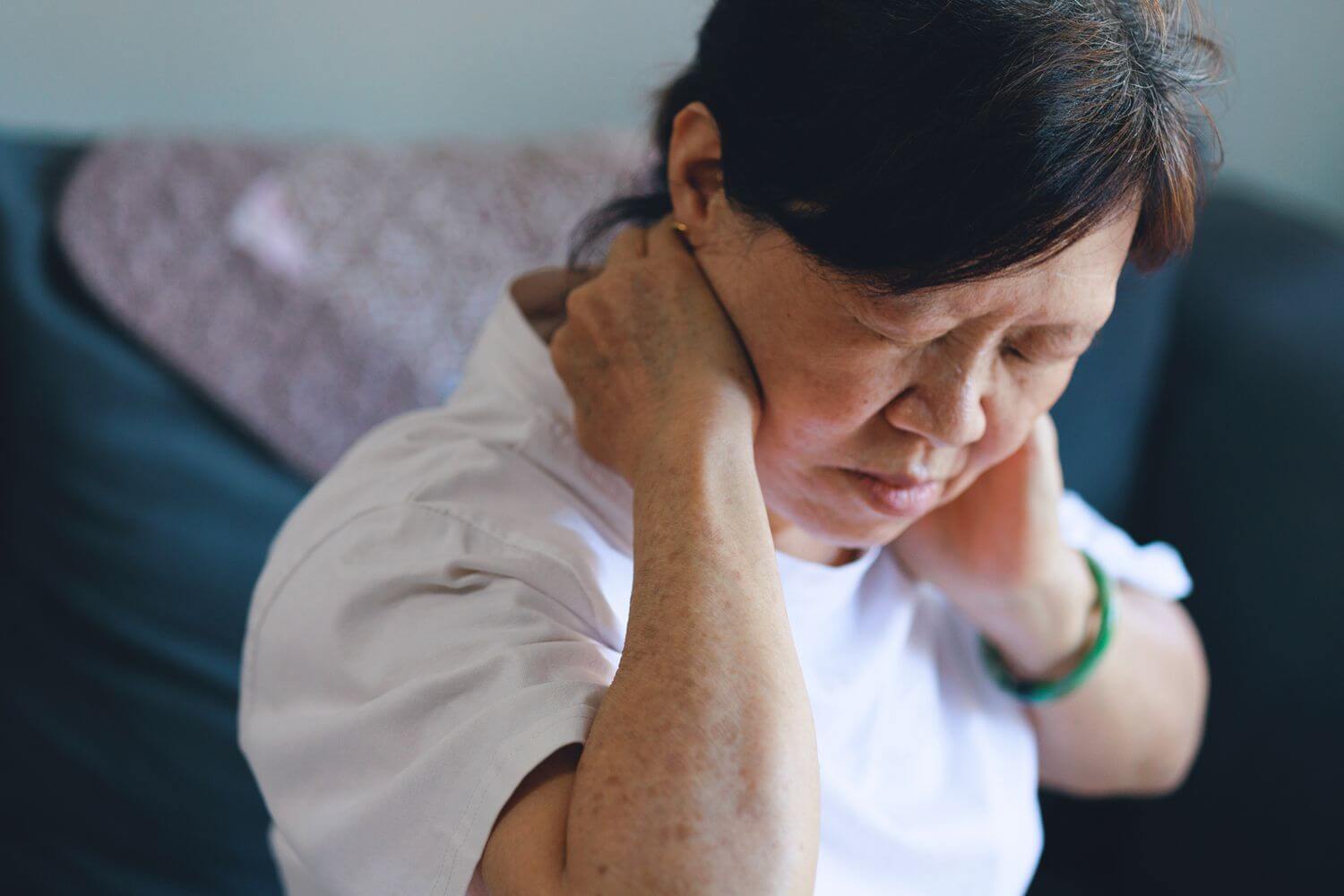
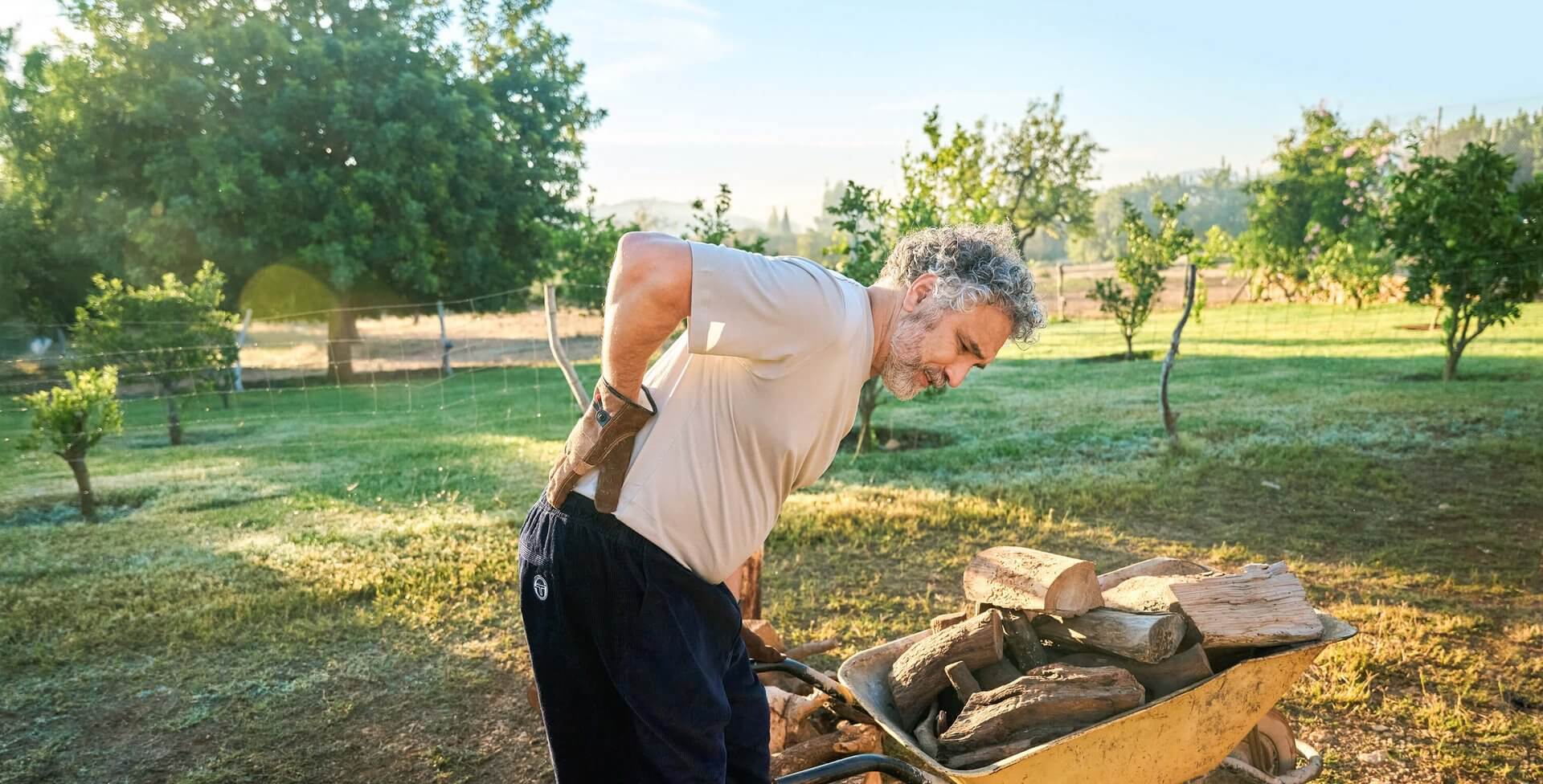
Back pain can disrupt your daily life making it hard to sit, stand, walk, or sleep comfortably. Two common causes of lower back pain are lumbar spinal stenosis and lumbar disc herniation. While they may present with similar symptoms, they are very different conditions that require tailored treatment approaches. This article will break down the key differences and how physical therapy can help.
What Is Lumbar Disc Herniation?
Your spine is made up of bones (vertebrae) separated by discs that act as cushions. A herniated disc, sometimes called a “slipped” or “bulging” disc, occurs when the inner gel-like core of a disc pushes out through a tear in the outer layer. This can press on nearby spinal nerves, causing pain.

Common symptoms of lumbar disc herniation:
- Sharp or shooting pain in the lower back, often radiating down one leg (sciatica)
- Numbness or tingling in the leg or foot
- Muscle weakness
- Pain that worsens with sitting, bending, or lifting
What Is Lumbar Spinal Stenosis?
Spinal stenosis is the narrowing of the spinal canal, often due to age-related changes like arthritis, bone spurs, or disc degeneration. As the space within the spine narrows, it can compress the spinal cord or nerves.

Common symptoms of lumbar stenosis:
- Aching or cramping pain in the lower back or buttocks
- Pain, weakness, or numbness in both legs (especially when walking or standing for long periods)
- Relief when sitting or leaning forward (such as pushing a shopping cart)
- Difficulty walking long distances
Key Differences Between the Two
| Feature | Lumbar Disc Herniation | Lumbar Stenosis |
| Typical Age Group | 30s to 50s | 60+ |
| Cause | Disc rupture or injury | Degenerative narrowing |
| Pain Pattern | Often one-sided (sciatica) | Often affects both legs |
| Pain Trigger | Sitting, bending | Standing, walking |
| Pain Relief | Lying down | Sitting or leaning forward |
How Physical Therapy Can Help
Both lumbar disc herniation and lumbar spinal stenosis can be treated effectively with conservative care, especially physical therapy.
For Lumbar Disc Herniation:
- Core strengthening to support the spine
- Postural training to reduce disc pressure
- Manual therapy to relieve nerve compression
- Gradual return to activity
For Lumbar Stenosis:
- Flexion-based exercises to open the spinal canal
- Strengthening of hips and legs for better support and balance
- Neuromuscular re-education to improve walking tolerance
- Pain management strategies
Get the Right Help
Back pain may feel the same day to day, but understanding the root cause is crucial for healing. If you have been experiencing chronic low back pain, numbness, or leg weakness, it may be time to get assessed by a healthcare professional.
At Respire Physical Therapy, our physical therapists specialize in identifying the source of your pain and developing a personalized treatment plan to get you moving pain free. If you have recently been diagnosed with lumbar stenosis or herniated disc, call Respire Physical Therapy at the Falls Church Location (703-671-1871) or the Annandale Location (571-369-6728) to schedule an appointment with one of our skilled Physical Therapists today! Click here to request an appointment online and we will contact you as soon as possible.

Tags: disc herniation, sciatica pain, fairfaxva, annandaleva, herniated disc, washingtondc, health blog, choosept, pt education, arlingtonva, lumbar stenosis, alexandriava, lumbar pain, Physical Therapy, fallschurchva, Respire Physical Therapy, ptworks, Back pain, physical therapist