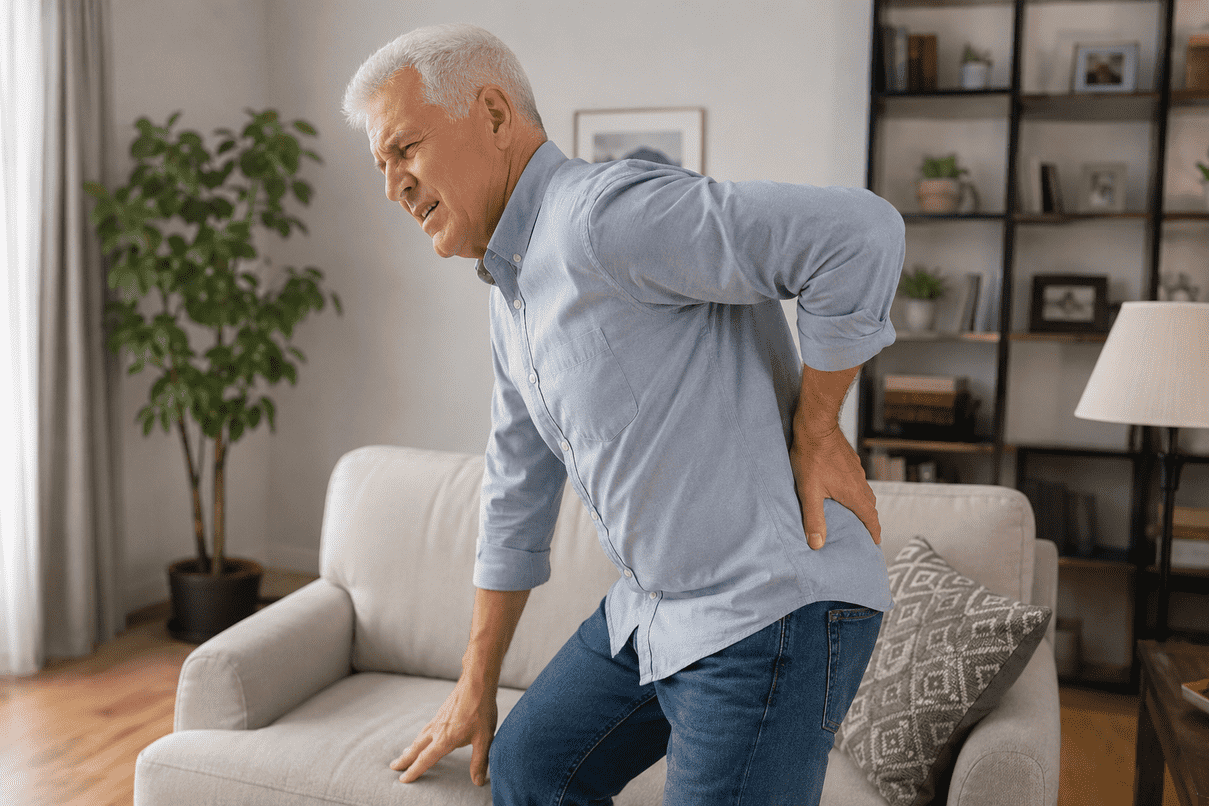

Knee injuries are one of the most common injuries seen in both athletes and active adults, and one of the most frequently injured structures in the knee is the ACL, or anterior cruciate ligament. You may have heard about ACL injuries when professional athletes go down with knee injuries, but ACL tears can happen to anyone from weekend warriors to people simply stepping off a curb awkwardly.
Understanding what the ACL does and why it is so important can help you recognize injury symptoms early and seek the right treatment.
What Is the ACL?
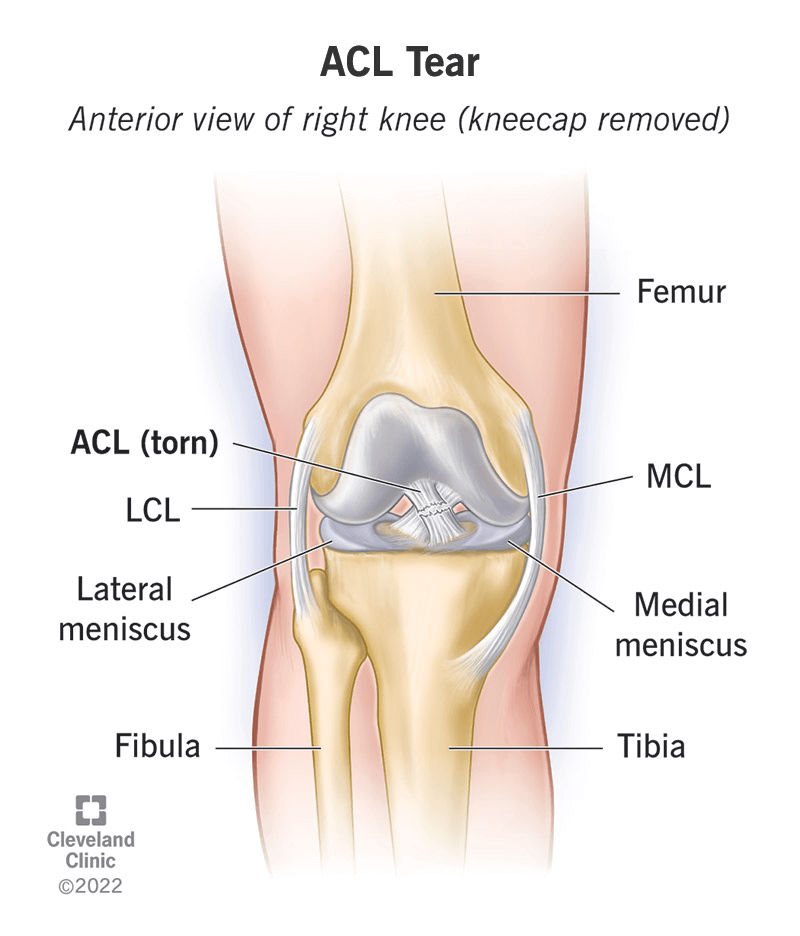
The anterior cruciate ligament (ACL) is one of the four main ligaments in your knee. Ligaments are strong bands of tissue that connect bones and help stabilize joints.
The ACL runs diagonally through the center of your knee joint and connects your thigh bone (femur) to your shin bone (tibia). It works together with other ligaments, muscles, and cartilage to keep your knee stable during movement.
What Does the ACL Actually Do?
The ACL plays several critical roles in knee function, including:
1. Prevents the Shin Bone From Sliding Forward
One of the ACL’s main jobs is to prevent your tibia from moving too far forward relative to your femur. Without this restraint, the knee becomes unstable, especially during dynamic movements.
2. Provides Rotational Stability
The ACL helps control twisting and pivoting movements. This is extremely important during sports or activities that involve cutting, sudden direction changes, or landing from jumps.
3. Supports Overall Knee Control
The ACL contains sensory receptors that help your brain understand joint position. This helps coordinate muscle activity and balance during movement.
How Do ACL Injuries Occur?
ACL injuries most commonly happen during movements that involve:
- Sudden stopping or deceleration
- Quick changes in direction
- Pivoting or twisting
- Landing from a jump
- Direct impact to the knee
- Slipping or falling
While athletes in sports like soccer, basketball, skiing, and football are at higher risk, ACL injuries can also occur during everyday activities.
What Does an ACL Tear Feel Like?
Many people report hearing or feeling a “pop” at the time of injury. Other common symptoms include:
- Knee swelling (often within hours)
- Knee instability or “giving out”
- Pain with weight-bearing
- Difficulty fully straightening or bending the knee
- Loss of confidence in the knee during movement
If you experience these symptoms, it is important to have your knee evaluated promptly.
Why Is the ACL So Important?
Without a properly functioning ACL, the knee can become unstable. This instability can lead to:
- Difficulty with sports and physical activity
- Increased risk of meniscus tears
- Higher likelihood of cartilage damage
- Greater chance of developing early knee arthritis
Because the ACL plays such a major role in knee control, injuries often require guided rehabilitation to restore strength, stability, and movement patterns.
Do All ACL Tears Require Surgery?
Not always. Treatment depends on several factors including:
- Activity level
- Age
- Degree of instability
- Presence of other knee injuries
- Personal goals
Some individuals, especially those who participate in cutting or pivoting sports, may benefit from surgical reconstruction. Others can successfully return to normal activities through structured physical therapy alone.
A thorough evaluation helps determine the best treatment path for each individual.
If you are experiencing knee pain that is limiting your daily activities, Respire PT’s physical therapists can help you get back to the life you love. Call Respire Physical Therapy at the Falls Church Location (703-671-1871) or the Annandale Location (571-369-6728) to schedule an appointment with one of our skilled Physical Therapists today! Click here to request an appointment online and we will contact you as soon as possible.

Tags: washingtondc, health blog, choosept, post operative care, arlingtonva, acl tear, alexandriava, pt education, acl injury, prehabilitation, sport injury, anterior cruciate ligament pain, fallschurchva, Physical Therapy, ptworks, Respire Physical Therapy, fairfaxva, physical therapist, annandaleva, knee pain