
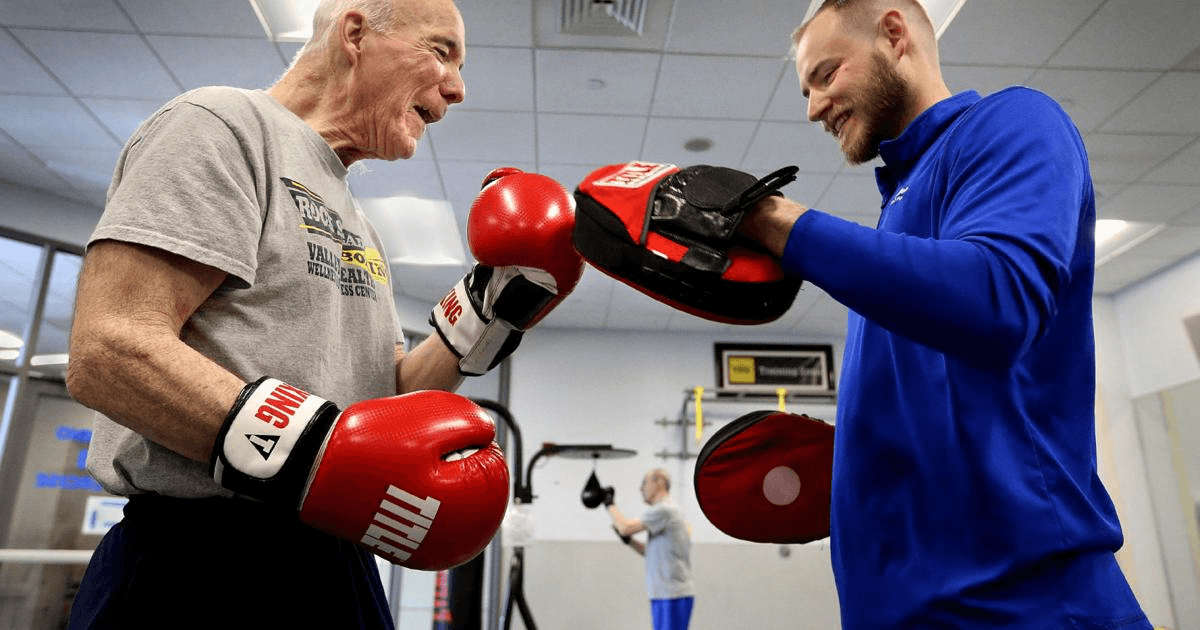
Parkinson’s disease is a progressive neurological condition that affects movement, balance, coordination, and muscle control. While medications and medical care play a critical role in managing symptoms, exercise has emerged as one of the most powerful tools available for people living with Parkinson’s.
Regular physical activity can help improve mobility, maintain independence, and even slow the progression of certain symptoms. For many patients, exercise becomes a key part of long-term symptom management and quality of life. 💪
How Parkinson’s Affects Movement
Parkinson’s disease impacts the brain’s ability to produce dopamine, a chemical that helps control smooth and coordinated muscle movement. As dopamine levels decrease, individuals may experience symptoms such as:
- Tremors
- Muscle stiffness
- Slowed movement (bradykinesia)
- Balance problems
- Difficulty walking
Over time, these symptoms can make everyday activities more challenging. This is where exercise and physical therapy become extremely valuable.
Exercise Helps the Brain and Body Work Better
Research consistently shows that exercise benefits people with Parkinson’s in several important ways.
1. Exercise Improves Mobility
Regular movement helps keep muscles flexible and joints mobile. Activities like stretching, walking, and strengthening exercises can make it easier to perform everyday tasks such as:
- Getting out of a chair
- Walking across a room
- Turning while standing
- Climbing stairs
When muscles stay active, they are less likely to become stiff or weak.
2. Exercise Enhances Balance and Reduces Falls
Balance problems are common with Parkinson’s, which increases the risk of falls. Specific exercises can help train the body to maintain stability and improve coordination.
Physical therapists often focus on:
- Balance training
- Core strengthening
- Postural exercises
- Gait (walking) training
These interventions help patients move more safely and confidently. 🚶
3. Exercise May Support Brain Health
One of the most exciting discoveries in Parkinson’s research is that exercise may promote neuroplasticity, the brain’s ability to adapt and form new neural connections.
Regular exercise can:
- Stimulate brain activity
- Improve communication between brain and muscles
- Support motor learning
- Potentially slow symptom progression
In simple terms, exercise helps the brain stay more adaptable and responsive.
4. Exercise Improves Walking and Posture
Many people with Parkinson’s develop a stooped posture and smaller steps while walking. Exercise programs that emphasize large movements, posture correction, and rhythm can help retrain movement patterns.
Physical Therapists often use:
- Amplitude-based movement training
- Walking drills
- Posture correction exercises
- Step and turning practice
These techniques can significantly improve walking efficiency and confidence.
5. Exercise Boosts Mental and Emotional Well-Being
Parkinson’s affects more than just the body—it can also impact mood and mental health. Exercise releases endorphins, which can improve emotional well-being and reduce symptoms of:
- Depression
- Anxiety
- Fatigue
- Stress
Many patients report feeling more energetic and optimistic when exercise becomes a regular part of their routine. 😊
The Best Types of Exercise for Parkinson’s
A well-rounded exercise program should address multiple areas of movement. Common recommendations include:
Aerobic Exercise
- Walking
- Cycling
- Swimming
- Dancing
Strength Training
- Resistance bands
- Light weights
- Functional strengthening exercises
Flexibility and Mobility
- Stretching routines
- Yoga
- Mobility drills
Balance and Coordination
- Balance training
- Tai Chi
- Stability exercises
Combining several of these elements can produce the best results.
Why Physical Therapy Matters
While exercise is beneficial, guided exercise through physical therapy can be especially powerful. A physical therapist can design a personalized program that targets each patient’s specific challenges.
Physical therapy may focus on:
- Improving gait and walking mechanics
- Preventing falls
- Increasing movement amplitude
- Maintaining independence in daily activities
Early intervention is especially important. Starting therapy soon after diagnosis can help patients build strong movement habits that last for years.
Making Exercise a Long-Term Habit
Consistency is the key to getting the most benefit from exercise. Small steps can make it easier to stay active:
- Schedule exercise into your daily routine
- Choose activities you enjoy
- Start slowly and increase intensity gradually
- Work with a physical therapist for guidance
Even 20–30 minutes of daily movement can make a meaningful difference over time.
Final Thoughts
Exercise is far more than just a way to stay fit—it is a powerful strategy for managing Parkinson’s disease. By improving strength, balance, mobility, and brain health, regular physical activity can help people maintain independence and continue doing the activities they love.
With the right guidance and consistency, exercise can become one of the most effective tools in living well with Parkinson’s. 💙
If you or someone you know has been diagnosed with Parkinson’s, Respire’s physical therapists can help you get back to the life you love. Call Respire Physical Therapy at the Falls Church Location (703-671-1871) or the Annandale Location (571-369-6728) to schedule an appointment with one of our skilled Physical Therapists today! Click here to request an appointment online and we will contact you as soon as possible.

Tags: health blog, mobility, parkinson's disease, choosept, neurological conditions, movementismedicine, arlingtonva, pt education, alexandriava, regain your movement freedom, fallschurchva, ptworks, Physical Therapy, annandaleva, Respire Physical Therapy, painfreeliving, physical therapist, washingtondc