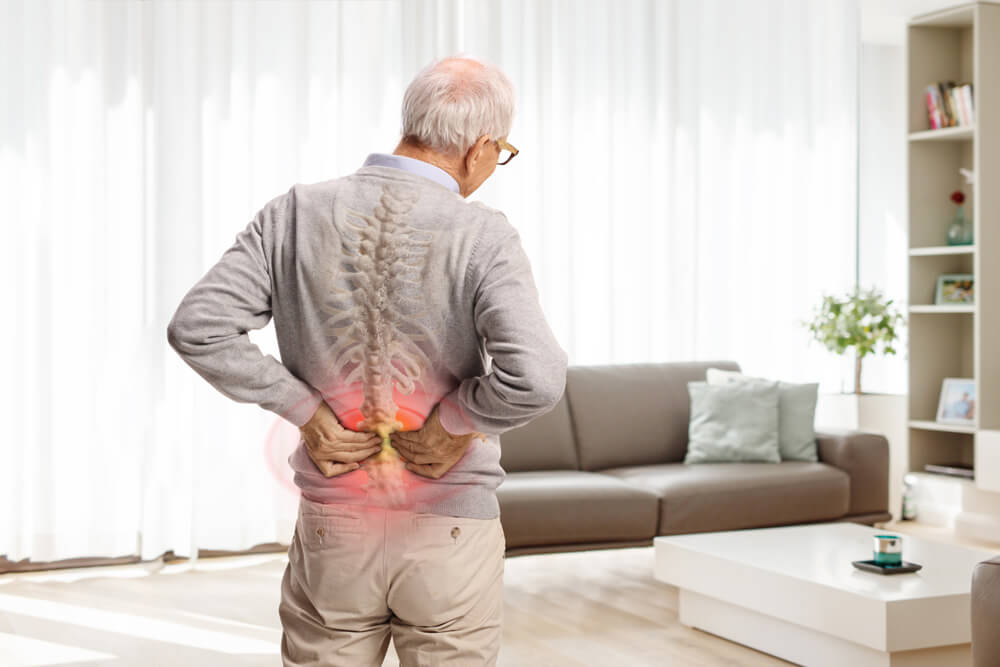
If you’re feeling pain, numbness, tingling, or weakness traveling from your neck down into your shoulder, arm, or hand, you might be dealing with cervical radiculopathy—often referred to as a pinched nerve in the neck. This condition can be confusing and frustrating. After all, why would a neck problem cause pain in your arm? Let’s
Ankle sprains are one of the most common musculoskeletal injuries we see in physical therapy. Whether it happens during sports, a workout, or simply stepping off a curb the wrong way, ankle sprains can be painful, frustrating, and surprisingly limiting. Understanding which ligaments are most commonly injured can help you recognize the severity of your
Patellar tendinopathy—often called “jumper’s knee”—is an overuse injury that causes pain just below the kneecap, especially during activities like squatting, running, or jumping. It develops when the patellar tendon is repeatedly stressed without adequate recovery, leading to tendon irritation and reduced load tolerance. Left untreated, it can become a chronic issue that limits daily activity
Heel pain is a common and often debilitating condition that can significantly impact daily activities and quality of life. Whether it’s a sharp stab with the first steps in the morning or a persistent ache throughout the day, heel pain can make even simple tasks feel monumental. This blog post will explore how physical therapy
Vestibular neuritis is a disorder characterized by inflammation of the vestibular nerve, which is responsible for transmitting balance-related signals from the inner ear to the brain. This condition typically presents with a sudden onset of severe vertigo, often accompanied by nausea, vomiting, and imbalance, but notably without hearing loss. It is usually caused by a
Thoracic pain and rib pain can be debilitating, affecting daily activities and overall quality of life. The good news is that physical therapy (PT) offers a comprehensive approach to evaluating, managing, and rehabilitating these conditions. This blog post will delve into how PT can effectively address thoracic and rib pain, incorporating data as needed. Understanding
Spinal stenosis is characterized by the narrowing of the spinal canal, leading to pressure on the spinal cord and nerves. Common symptoms include pain, numbness, tingling, and weakness in the legs or arms, often exacerbated by standing or walking. This condition can significantly impact daily life, making activities like walking or sitting for extended periods
Facet joint dysfunction is a condition where the small joints located between each pair of vertebrae in the spine—known as facet joints—become irritated or damaged, leading to pain and limited mobility. These joints help stabilize the spine and allow for smooth movement, but when they become inflamed due to injury, arthritis, or repetitive stress, they
Quadriceps dysfunction is a common cause of knee pain, as the quadriceps muscles play a key role in stabilizing the knee joint. When the quadriceps become weak, tight, or imbalanced, they can fail to properly support the knee during movement, leading to altered mechanics and increased stress on the joint. This can result in pain,