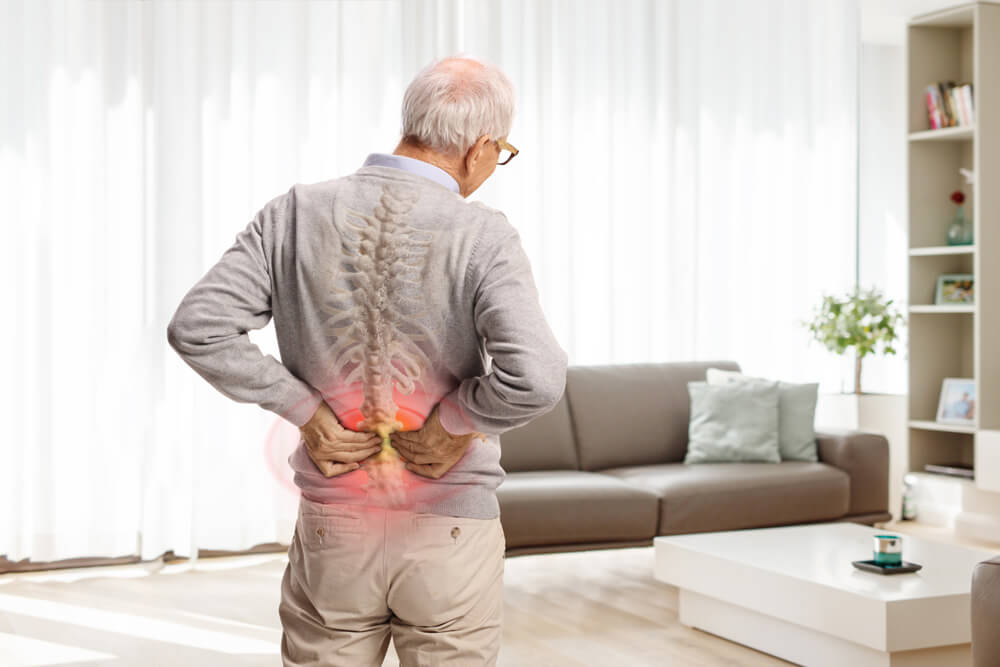
Thoracic pain and rib pain can be debilitating, affecting daily activities and overall quality of life. The good news is that physical therapy (PT) offers a comprehensive approach to evaluating, managing, and rehabilitating these conditions. This blog post will delve into how PT can effectively address thoracic and rib pain, incorporating data as needed. Understanding
An ACL tear is one of the most common and frustrating knee injuries, especially for athletes and active individuals. The anterior cruciate ligament (ACL) is a key stabilizer in your knee that keeps it from shifting or giving out during movement. But when it tears, it can dramatically affect your mobility, performance, and confidence. This
If you have ever felt a sharp pain or lingering soreness in your knee after a tennis match, you are not alone. Tennis demands explosive lateral movement, quick pivots, and sudden stops which can put significant strain on the knee joint. One common injury tennis players face is a meniscus tear. What is the Meniscus?
Hamstring strains are a common and often frustrating injury, particularly for athletes. These injuries occur when the muscles at the back of the thigh are stretched beyond their capacity, leading to tears. The good news is that physical therapy (PT) plays a crucial role in not only recovering from a hamstring strain but also in
Stress fractures are a common injury among runners, caused by repetitive impact on the bones, especially in the lower legs and feet. These tiny cracks often develop when a runner increases mileage, intensity, or frequency too quickly without allowing the body adequate time to adapt and recover. The most frequently affected areas in runners are
When your doctor recommends medical imaging, it is common to feel confused about your options particularly when you hear terms like CT scan and MRI. While both tools provide detailed pictures of what’s happening inside your body, they serve different purposes and use different technology. In this post, we break down the key differences between
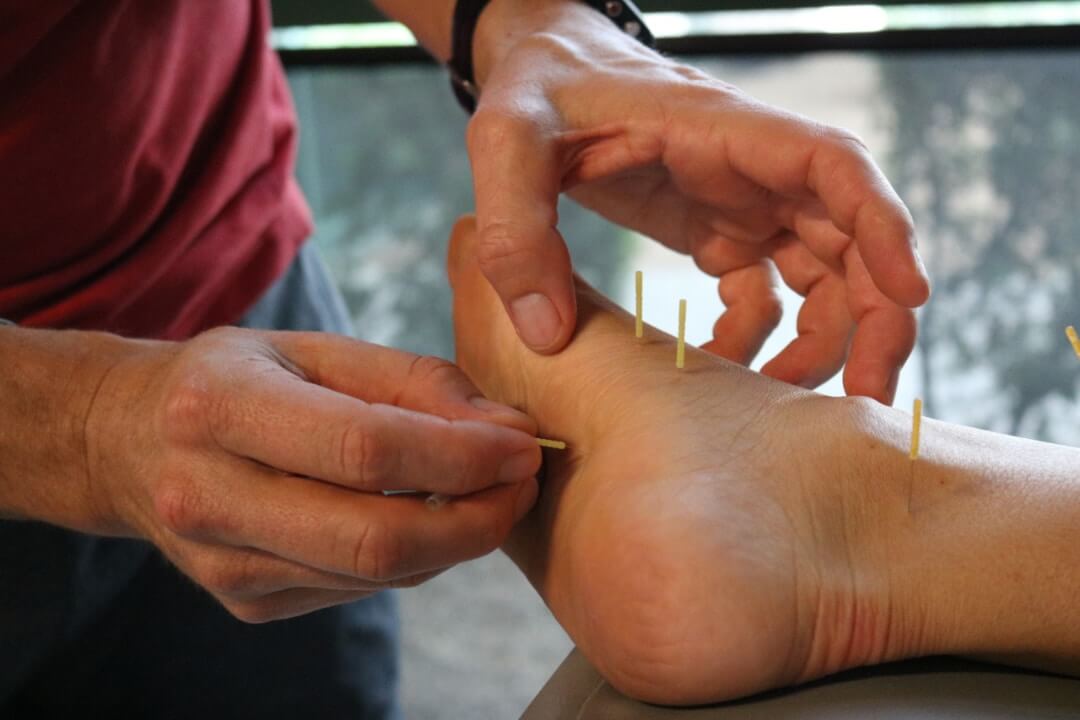
When it comes to relieving muscle pain, improving mobility, and speeding up recovery, physical therapy offers a variety of effective techniques. One increasingly popular method is dry needling—a treatment that involves inserting thin, sterile needles into trigger points or tight bands within muscles. Despite its name, dry needling isn’t acupuncture; instead, it’s based on modern
Thoracic Outlet Syndrome (TOS) is a condition caused by compression of the nerves, arteries, or veins in the passageway from the lower neck to the armpit, known as the thoracic outlet. This compression can lead to a variety of symptoms depending on the structures involved, including pain in the shoulder and neck, numbness or tingling
Spinal stenosis is characterized by the narrowing of the spinal canal, leading to pressure on the spinal cord and nerves. Common symptoms include pain, numbness, tingling, and weakness in the legs or arms, often exacerbated by standing or walking. This condition can significantly impact daily life, making activities like walking or sitting for extended periods