

You rolled your ankle months ago. The swelling went down. You got back to work, back to the gym, back to the field. And then it happened again. If your ankle keeps “giving out,” feeling wobbly, or spraining over and over, you may be dealing with chronic ankle instability (CAI) — a common condition that
Health Blog
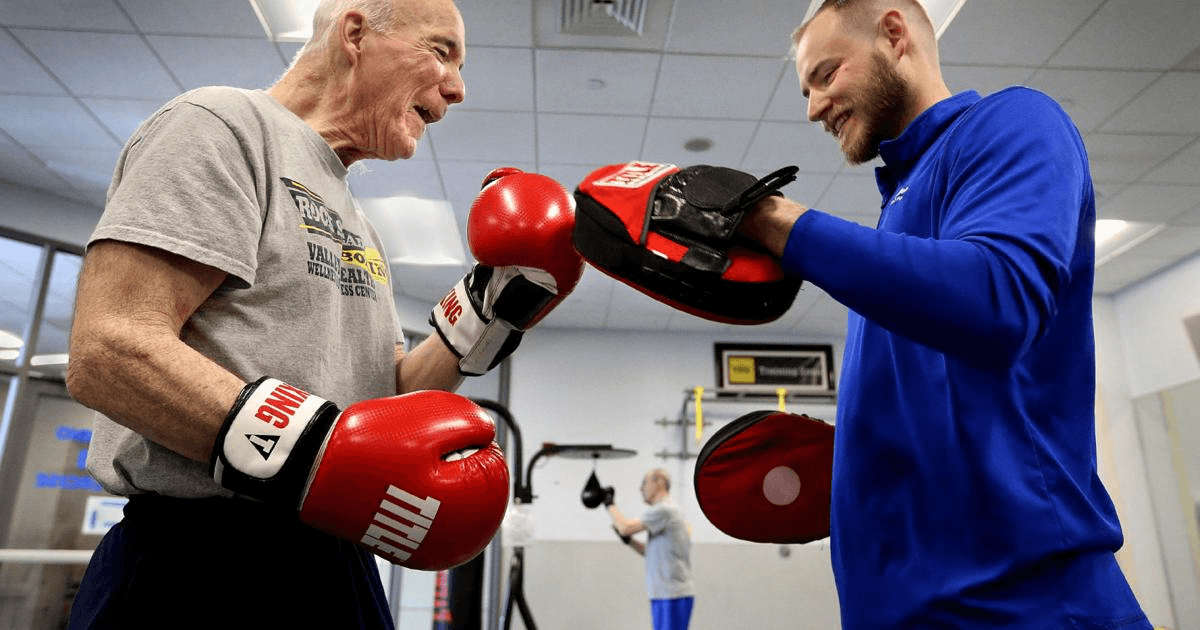
Why Exercise Is One of the Most Powerful Tools for Parkinson’s Disease
March 16th, 2026Parkinson’s disease is a progressive neurological condition that affects movement, balance, coordination, and muscle control. While medications and medical care play a critical role in managing symptoms, exercise has emerged as one of the most powerful tools available for people living with Parkinson’s. Regular physical activity can help improve mobility, maintain independence, and even slow

How Do Physical Therapists Assess Posture? Key Landmarks & Symmetry to Look For
March 9th, 2026Posture plays a major role in how your body moves, performs, and manages pain. Whether you are dealing with neck tension, shoulder discomfort, low back pain, or recurring injuries, posture is often part of the picture. A physical therapy postural assessment goes beyond simply asking someone to “stand up straight.” It is a detailed evaluation

What Is Cervical Radiculopathy? Causes of Neck Pain Radiating to the Arm
March 2nd, 2026If you’re feeling pain, numbness, tingling, or weakness traveling from your neck down into your shoulder, arm, or hand, you might be dealing with cervical radiculopathy—often referred to as a pinched nerve in the neck. This condition can be confusing and frustrating. After all, why would a neck problem cause pain in your arm? Let’s

2 Most Common Ligaments Injured During Ankle Sprains
February 24th, 2026Ankle sprains are one of the most common musculoskeletal injuries we see in physical therapy. Whether it happens during sports, a workout, or simply stepping off a curb the wrong way, ankle sprains can be painful, frustrating, and surprisingly limiting. Understanding which ligaments are most commonly injured can help you recognize the severity of your

Osteoporosis and Physical Therapy: A Proactive Approach to Bone Health
February 19th, 2026Osteoporosis is often called a “silent condition” because bone loss occurs gradually and without obvious symptoms—until a fracture happens. For many adults, especially those over 50, decreased bone density can increase the risk of hip, spine, and wrist fractures that affect independence and quality of life. The encouraging news is that osteoporosis is manageable. Physical

What Is the ACL and Why Is It So Important for Knee Stability?
February 10th, 2026Knee injuries are one of the most common injuries seen in both athletes and active adults, and one of the most frequently injured structures in the knee is the ACL, or anterior cruciate ligament. You may have heard about ACL injuries when professional athletes go down with knee injuries, but ACL tears can happen to

What is Sacroiliac Joint (SI) Pain and How Does Physical Therapy Help?
January 30th, 2026Sacroiliac (SI) joint pain is a common but often misunderstood source of lower back and hip discomfort. The SI joints sit where the spine meets the pelvis and play a key role in transferring forces between the upper body and legs. When these joints become irritated—due to injury, pregnancy, muscle imbalances, or repetitive stress—pain can

What is Patellar Tendinopathy and How Does Physical Therapy Help?
January 12th, 2026Patellar tendinopathy—often called “jumper’s knee”—is an overuse injury that causes pain just below the kneecap, especially during activities like squatting, running, or jumping. It develops when the patellar tendon is repeatedly stressed without adequate recovery, leading to tendon irritation and reduced load tolerance. Left untreated, it can become a chronic issue that limits daily activity
-

Are You Ready To Live Pain-Free?
Request Appointment Latest Health Posts

SUBSCRIBE TO OUR HEALTH BLOG