

Lower Crossed Syndrome is a common postural imbalance that often affects people who sit for long periods. When you sit a lot, the hip flexors on the front of your hips become shortened and tight, while the glutes and abdominal muscles tend to weaken from inactivity. This imbalance tilts the pelvis forward, increasing the arch
Health Blog

What Are the 4 Main Ligaments That Make Up the Knee and What Functions Do They Each Serve?
December 17th, 2025The knee is one of the most important and commonly injured joints in the body. Whether you are an athlete, a weekend warrior, or someone who simply wants to stay active without pain, understanding how your knee works can help you prevent injury and recover faster. At the core of knee stability are four major
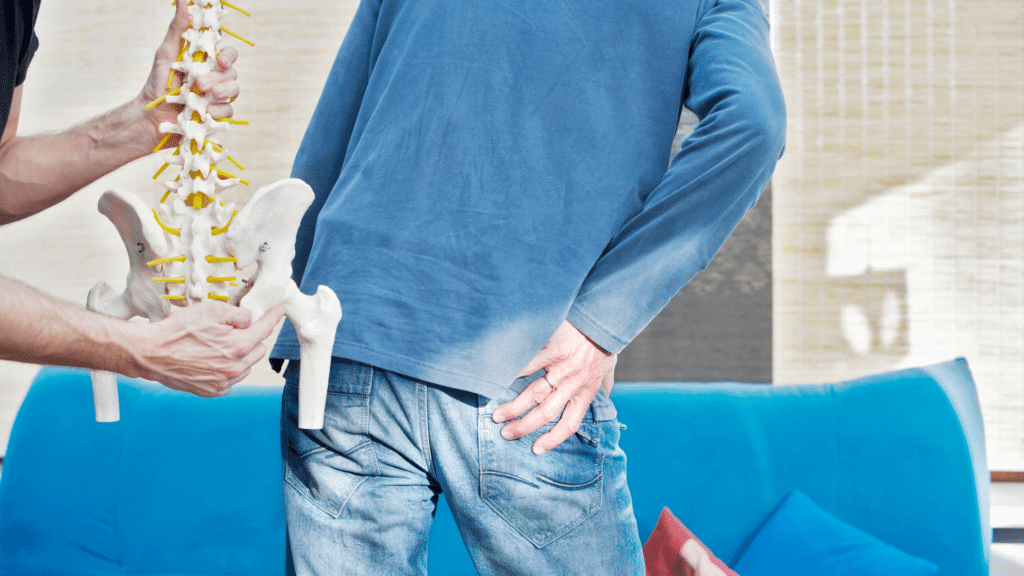
The Role of Physical Therapy in Managing Greater Trochanter Pain Syndrome
December 12th, 2025Greater trochanter pain syndrome (GTPS) is a common condition characterized by chronic pain and tenderness on the outer side of the hip, typically over the greater trochanter, the bony prominence at the top of the femur. It often results from inflammation or irritation of the gluteal tendons, particularly the gluteus medius and minimus, or from

Unlocking Relief: How Physical Therapy Addresses Heel Pain
November 17th, 2025Heel pain is a common and often debilitating condition that can significantly impact daily activities and quality of life. Whether it’s a sharp stab with the first steps in the morning or a persistent ache throughout the day, heel pain can make even simple tasks feel monumental. This blog post will explore how physical therapy
Understanding the Elbow Joint: Anatomy, Dislocations, and Common Elbow Problems
November 4th, 2025The elbow is one of the most complex joints in the human body. It is responsible for allowing us to lift, throw, push, and perform countless daily tasks. Because of its structure and high mobility, the elbow is also vulnerable to injuries such as dislocations, fractures, and chronic overuse conditions. In this article, we will

Common Causes of Wrist Pain
October 27th, 2025If you are experiencing wrist pain that is affecting your ability to work, type, lift, or enjoy your favorite activities, you are not alone. Wrist pain is one of the most common complaints we see in physical therapy. It can come from a variety of causes including overuse injuries to traumatic accidents. Understanding the source

Understanding Vestibular Neuritis and the Role of Physical Therapy in Recovery
October 20th, 2025Vestibular neuritis is a disorder characterized by inflammation of the vestibular nerve, which is responsible for transmitting balance-related signals from the inner ear to the brain. This condition typically presents with a sudden onset of severe vertigo, often accompanied by nausea, vomiting, and imbalance, but notably without hearing loss. It is usually caused by a

Physical Therapy for Achilles Tendinitis Recovery
October 14th, 2025Achilles tendinitis is a common condition that causes pain along the back of the leg near the heel. It involves inflammation of the Achilles tendon, the strong cord of tissue that connects your calf muscles to your heel bone. While it can affect anyone, it is particularly prevalent in athletes and those engaging in activities

Most Common Gait Deviations and What It Means for Your Body
October 9th, 2025Walking may seem effortless, but it is actually one of the most complex movements your body performs. Every step involves a finely tuned sequence of muscle activations, joint movements, and balance adjustments. As physical therapists, we analyze these gait patterns. Understanding your gait pattern allows us to understand how your body moves, identify inefficiencies, and
-

Are You Ready To Live Pain-Free?
Request Appointment Latest Health Posts

SUBSCRIBE TO OUR HEALTH BLOG