Peroneal tendinitis is an overuse injury involving the peroneal tendons, which run along the outer side of the ankle and foot. These tendons connect the peroneal muscles in the lower leg to the bones of the foot and help control ankle movement, provide stability, and support balance. When these tendons become irritated or inflamed due
Chronic low back pain is one of the most common reasons adults seek medical care—and one of the most frustrating conditions to live with. If you’ve been relying on medication to “get through the day,” you’re not alone. But while medication may temporarily reduce symptoms, it rarely addresses the underlying cause of your pain. At
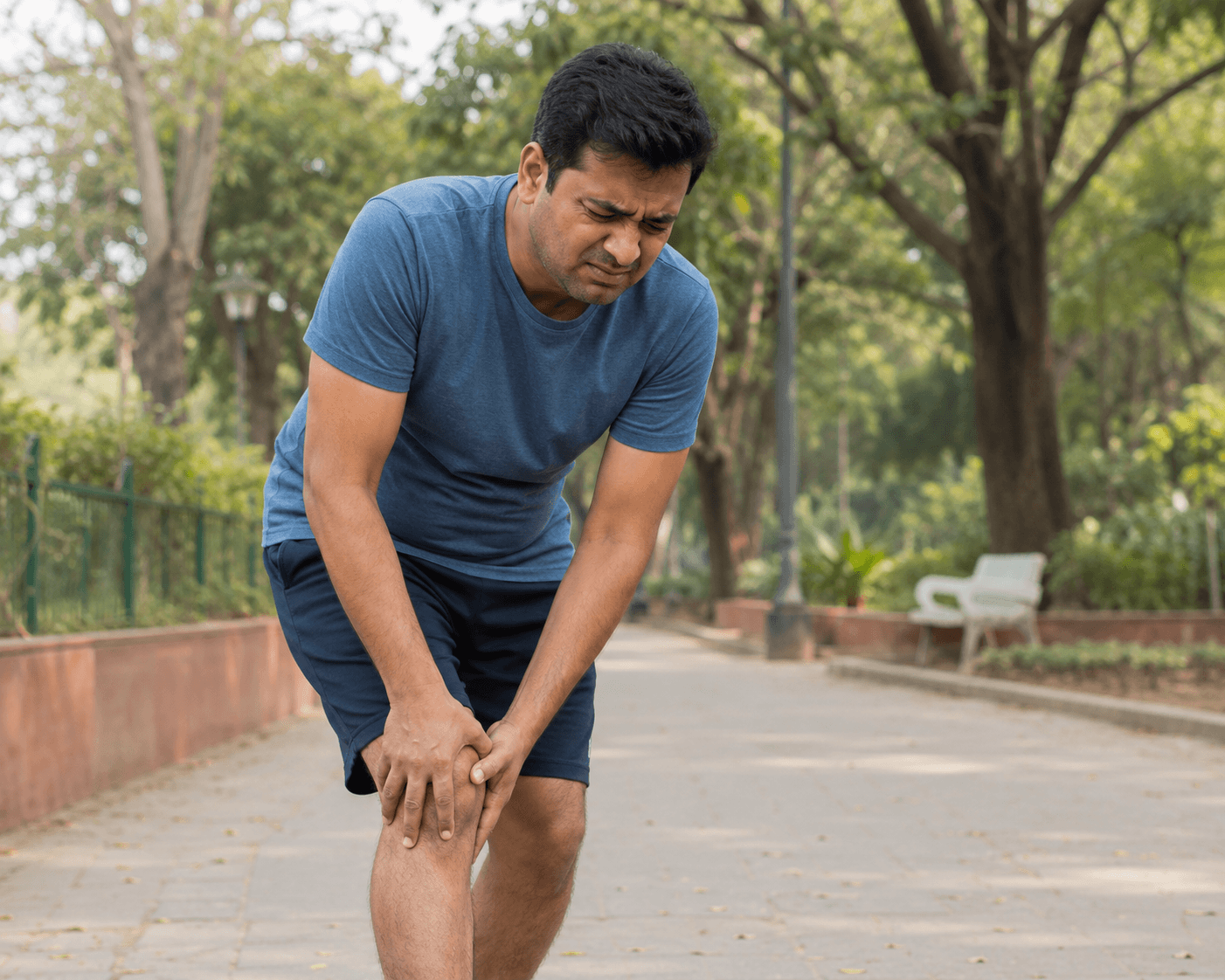
Preserving your knee joints through physical therapy is one of the most effective ways to maintain mobility, reduce pain, and prevent long-term damage as you age or recover from injury. Physical therapy focuses on strengthening the muscles that support the knees—especially the quadriceps, hamstrings, and hips—which helps reduce stress on the joint itself. Therapists also
If you’ve ever rolled over in bed or looked up quickly and suddenly felt like the room was spinning, you know how unsettling vertigo can be. One of the most common causes of these brief but intense dizzy spells is Benign Paroxysmal Positional Vertigo (BPPV). While the name may sound complex, the condition is well
Ankle sprains are among the most common musculoskeletal injuries, affecting athletes and non-athletes alike. Understanding what causes ankle sprains and how physical therapy can help is key to achieving a full recovery and preventing future injuries. What Is an Ankle Sprain? An ankle sprain occurs when the ligaments that support the ankle joint are stretched
Living with Rheumatoid Arthritis can feel like a constant battle against pain, stiffness, and fatigue. When joints are inflamed and movement feels uncomfortable, the natural instinct is often to rest and avoid activity. But in reality, the right kind of movement—guided by physical therapy—can be one of the most powerful tools for managing symptoms and
Recovering from hip replacement surgery is an important journey toward moving more comfortably, reducing pain, and getting back to the activities you enjoy. While the surgery itself replaces the damaged joint, physical therapy plays a major role in helping you regain strength, mobility, balance, and confidence during recovery. Whether you recently had surgery or are
Shoulder pain is incredibly common, and rotator cuff tendinopathy is one of the most frequent causes. Unfortunately, misinformation often leads people to avoid movement, delay treatment, or assume surgery is inevitable. Let’s clear things up by breaking down five of the most common myths—and what actually helps rotator cuff tendinopathy heal. Myth #1: Rotator Cuff
Pain at the base of the thumb, often indicative of Carpometacarpal (CMC) joint osteoarthritis, can significantly limit daily activities such as gripping, pinching, and twisting jars open. This condition, which involves the wearing down of cartilage at the joint connecting the thumb metacarpal to the wrist, causes stiffness, swelling, and a deep, aching pain. Physical