Ankle sprains are one of the most common musculoskeletal injuries we see in physical therapy. Whether it happens during sports, a workout, or simply stepping off a curb the wrong way, ankle sprains can be painful, frustrating, and surprisingly limiting. Understanding which ligaments are most commonly injured can help you recognize the severity of your
An ACL tear is one of the most common and frustrating knee injuries, especially for athletes and active individuals. The anterior cruciate ligament (ACL) is a key stabilizer in your knee that keeps it from shifting or giving out during movement. But when it tears, it can dramatically affect your mobility, performance, and confidence. This
Stress fractures are a common injury among runners, caused by repetitive impact on the bones, especially in the lower legs and feet. These tiny cracks often develop when a runner increases mileage, intensity, or frequency too quickly without allowing the body adequate time to adapt and recover. The most frequently affected areas in runners are
If you have ever felt a sharp pain or lingering soreness in your knee after a tennis match, you are not alone. Tennis demands explosive lateral movement, quick pivots, and sudden stops which can put significant strain on the knee joint. One common injury tennis players face is a meniscus tear. What is the Meniscus?
Playing golf requires a complex combination of joint movements across the body, including the shoulders, elbows, wrists, hips, knees, and spine. Each of these joints is involved in the rotation, flexion, extension, and stabilization required for a proper swing. The repetitive nature of these movements, along with the need for rotational power, can strain the
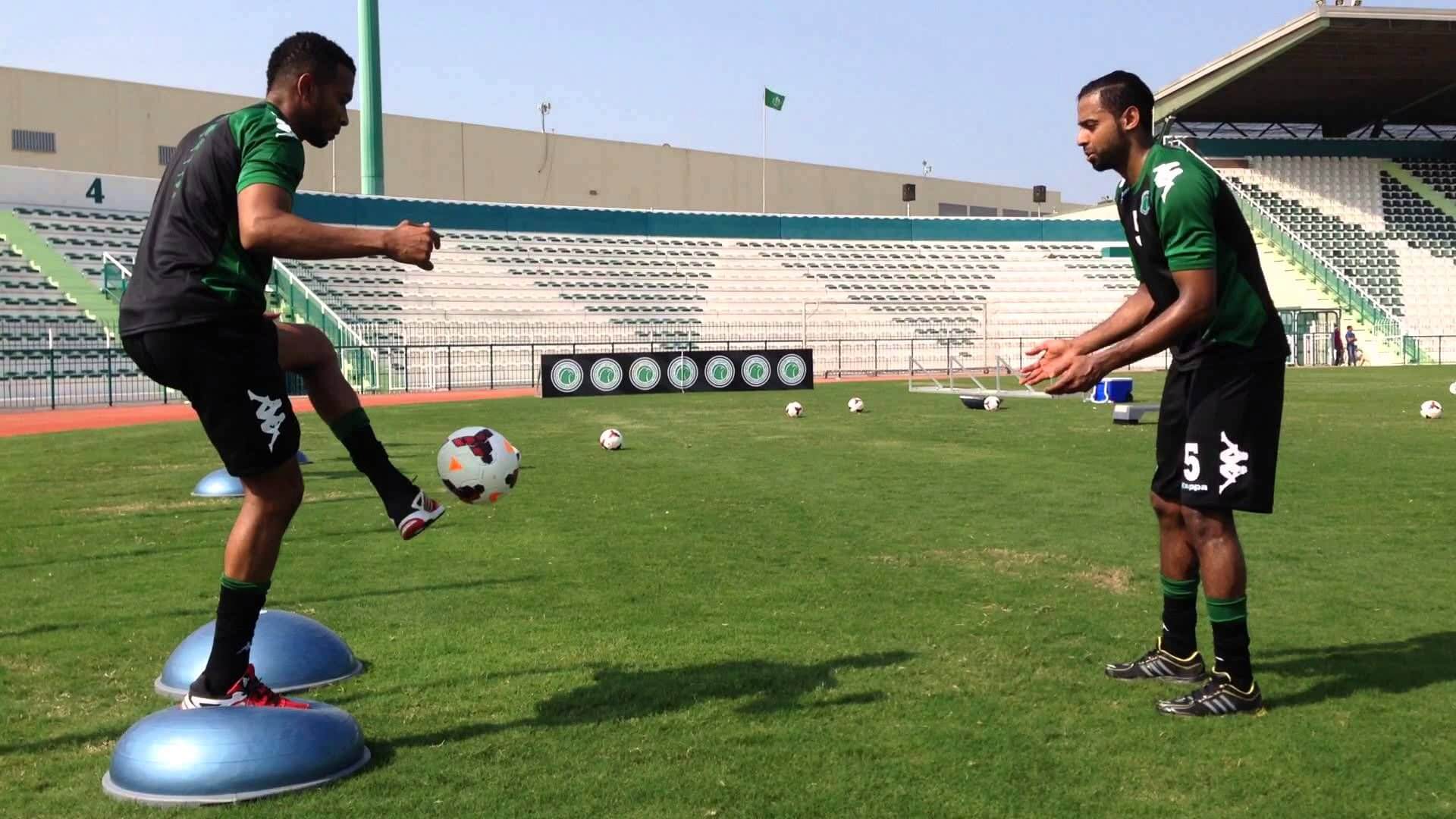
Returning to sport after an injury requires more than just healing the injured tissues; it demands a comprehensive approach to rehabilitation. Proprioceptive training emerges as a vital component in this process, playing a pivotal role in restoring balance, coordination, and confidence. This article will explore the significance of proprioceptive training and its crucial role in
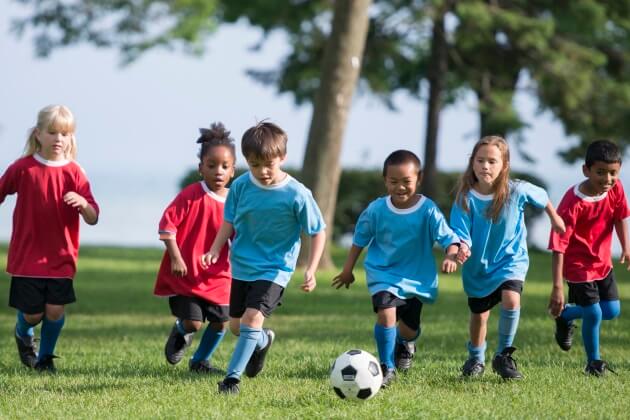
Adolescent athletes are highly active and participate in a wide range of sports, from team sports like basketball and soccer to individual sports like gymnastics and track and field. While sports offer numerous benefits for adolescents, such as improved physical fitness, teamwork, and discipline, they also come with the risk of injuries. Physical therapy can
What Do The Statistics Say? A recent study examined 201 articles analyzing the average length of recovery period after ACL surgery. The study found that on average, patients who had ACL surgery were able to return to running in 12 weeks (Rambaud, 2018). However, just because they began running, does not mean they were cleared
Building muscular strength can be done in a variety of ways. Generally, the load applied to a muscle should be challenging enough to promote cellular changes in the muscle itself. This concept, along with adequate rest, is foundational to increasing the amount of force a muscle can generate. Concentric vs Eccentric A muscle can generate