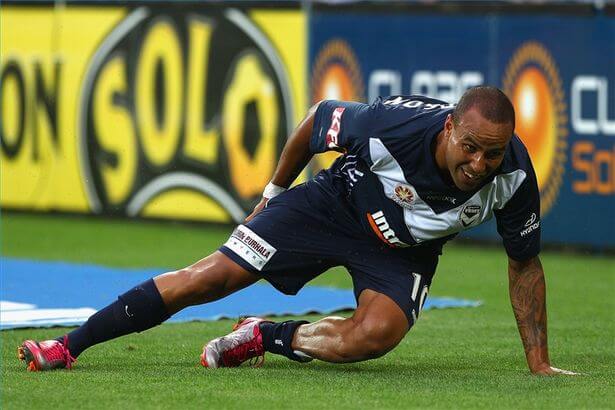
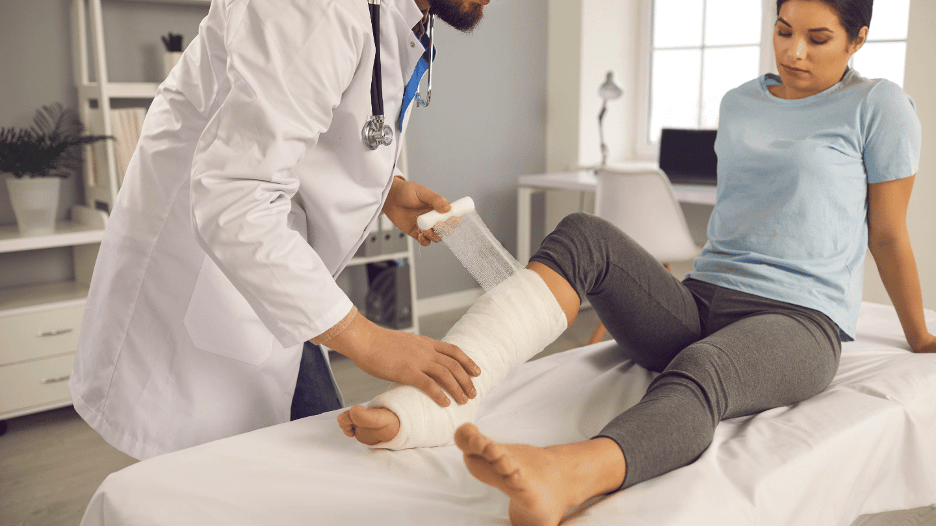
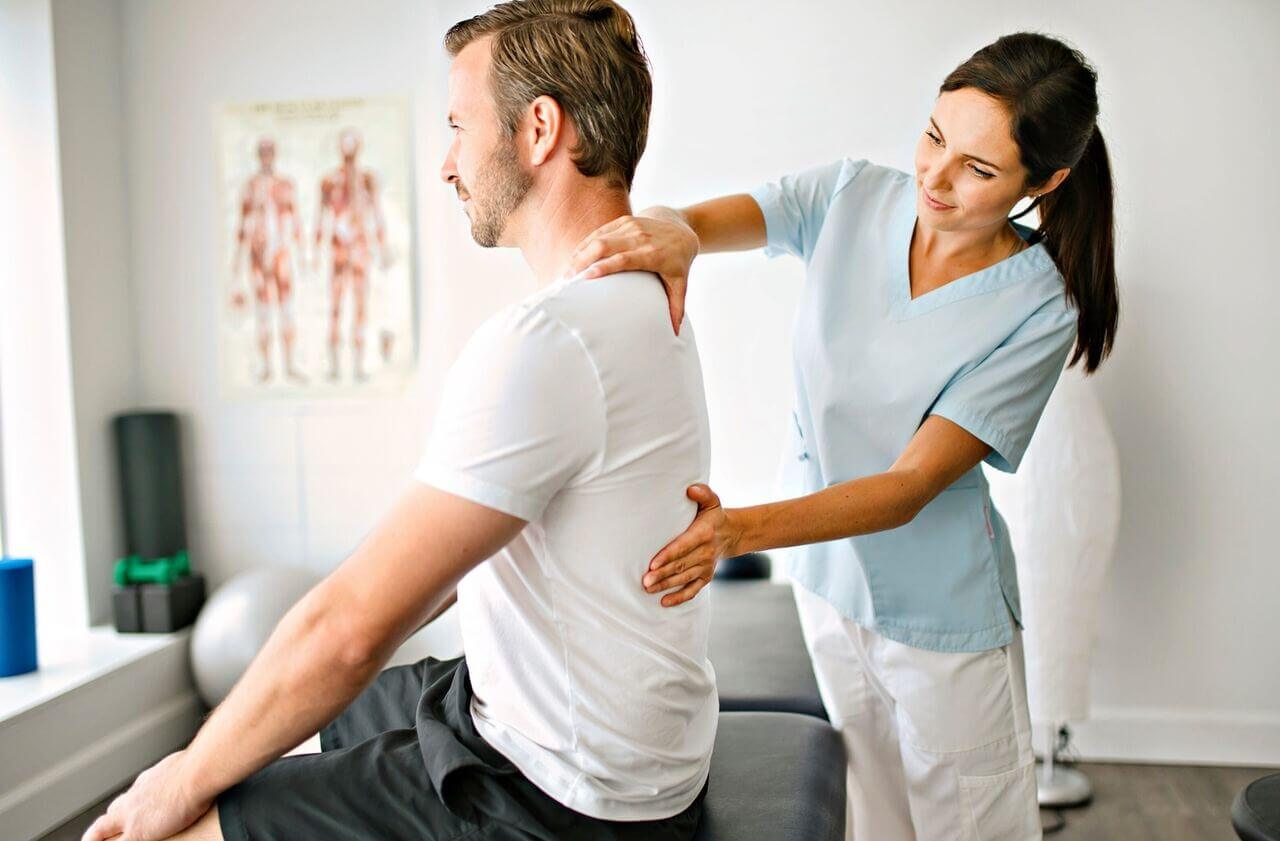
Patellar tendinopathy—often called “jumper’s knee”—is an overuse injury that causes pain just below the kneecap, especially during activities like squatting, running, or jumping. It develops when the patellar tendon is repeatedly stressed without adequate recovery, leading to tendon irritation and reduced load tolerance. Left untreated, it can become a chronic issue that limits daily activity
Walking may seem effortless, but it is actually one of the most complex movements your body performs. Every step involves a finely tuned sequence of muscle activations, joint movements, and balance adjustments. As physical therapists, we analyze these gait patterns. Understanding your gait pattern allows us to understand how your body moves, identify inefficiencies, and
If you have ever felt a sharp pain or lingering soreness in your knee after a tennis match, you are not alone. Tennis demands explosive lateral movement, quick pivots, and sudden stops which can put significant strain on the knee joint. One common injury tennis players face is a meniscus tear. What is the Meniscus?
Hamstring strains are a common and often frustrating injury, particularly for athletes. These injuries occur when the muscles at the back of the thigh are stretched beyond their capacity, leading to tears. The good news is that physical therapy (PT) plays a crucial role in not only recovering from a hamstring strain but also in
Stress fractures are a common injury among runners, caused by repetitive impact on the bones, especially in the lower legs and feet. These tiny cracks often develop when a runner increases mileage, intensity, or frequency too quickly without allowing the body adequate time to adapt and recover. The most frequently affected areas in runners are
Poor posture can have a significant impact on physical health, leading to a range of musculoskeletal problems and other bodily dysfunctions. When the body is not aligned properly, it places uneven stress on muscles, joints, and ligaments, which can result in chronic pain—especially in the neck, shoulders, and lower back. Over time, poor posture can
Engaging in yard work activities can lead to a variety of musculoskeletal injuries due to the nature of the tasks involved. These tasks often require repetitive motions, such as raking or digging, which can place strain on muscles and joints due to overuse. Additionally, many yard work activities involve awkward postures, such as bending over
Rotator cuff tendonitis is an inflammation or irritation of the tendons in the rotator cuff, a group of muscles and their tendons that stabilize the shoulder. This condition is commonly caused by repetitive overhead movements, overuse, or age-related wear and tear on the tendons. Symptoms typically include pain and tenderness in the shoulder, particularly when
The TFL (Tensor Fasciae Latae) is a small yet essential muscle on the outer side of your hip. It plays a vital role in hip movements like flexion (lifting the leg), abduction (moving the leg away from the body), and internal rotation (turning the leg inward). Additionally, the TFL stabilizes the pelvis, particularly during activities