Back pain can disrupt your daily life making it hard to sit, stand, walk, or sleep comfortably. Two common causes of lower back pain are lumbar spinal stenosis and lumbar disc herniation. While they may present with similar symptoms, they are very different conditions that require tailored treatment approaches. This article will break down the
When your doctor recommends medical imaging, it is common to feel confused about your options particularly when you hear terms like CT scan and MRI. While both tools provide detailed pictures of what’s happening inside your body, they serve different purposes and use different technology. In this post, we break down the key differences between
Decreased hand strength is a common concern within the geriatric population and is often linked to age-related changes in muscle mass, joint health, and neurological function. As people age, sarcopenia—the natural loss of muscle mass and strength—can significantly impact the small muscles of the hands/forearms, leading to reduced grip strength. Additionally, conditions such as arthritis,
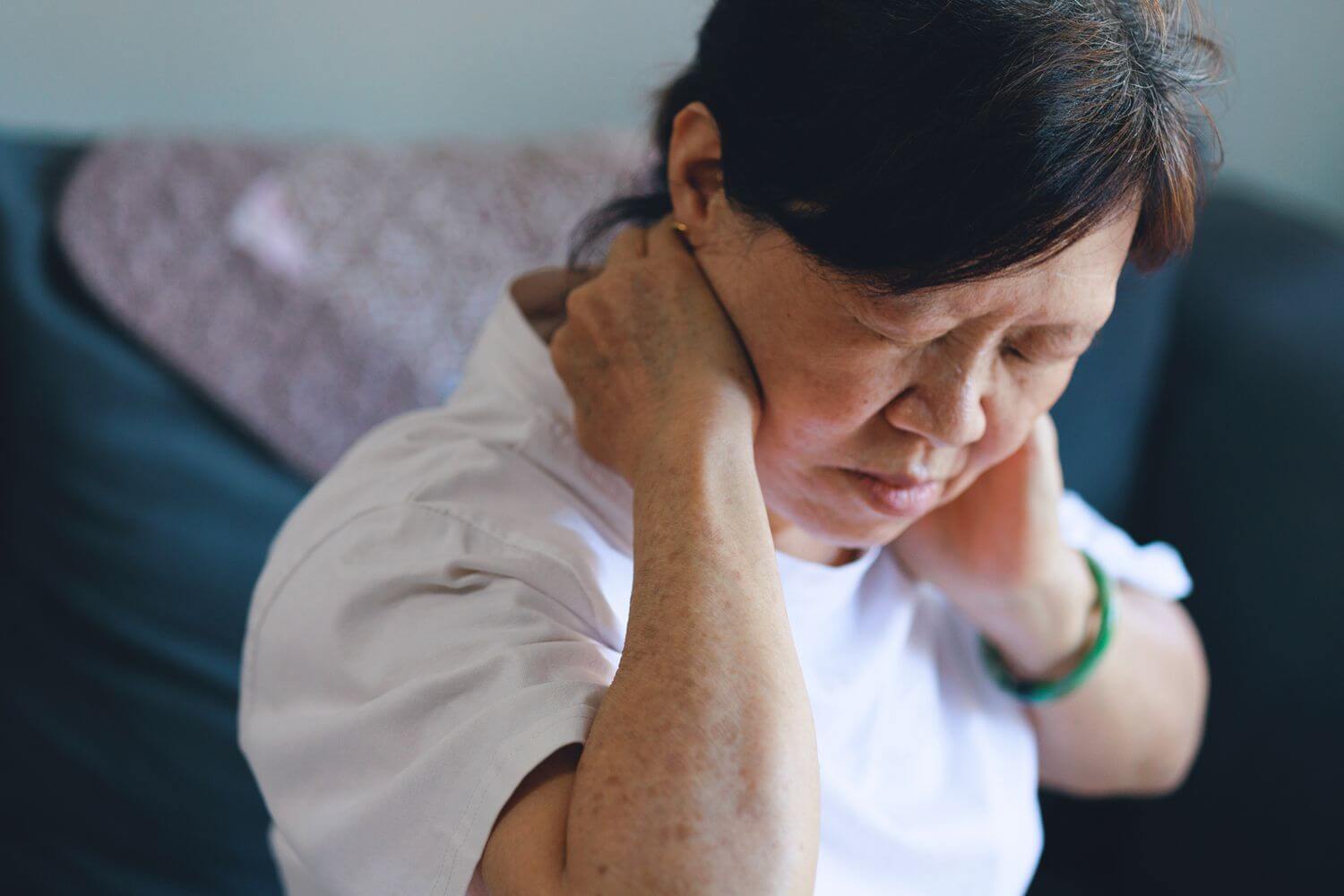
Poor posture can have a significant impact on physical health, leading to a range of musculoskeletal problems and other bodily dysfunctions. When the body is not aligned properly, it places uneven stress on muscles, joints, and ligaments, which can result in chronic pain—especially in the neck, shoulders, and lower back. Over time, poor posture can
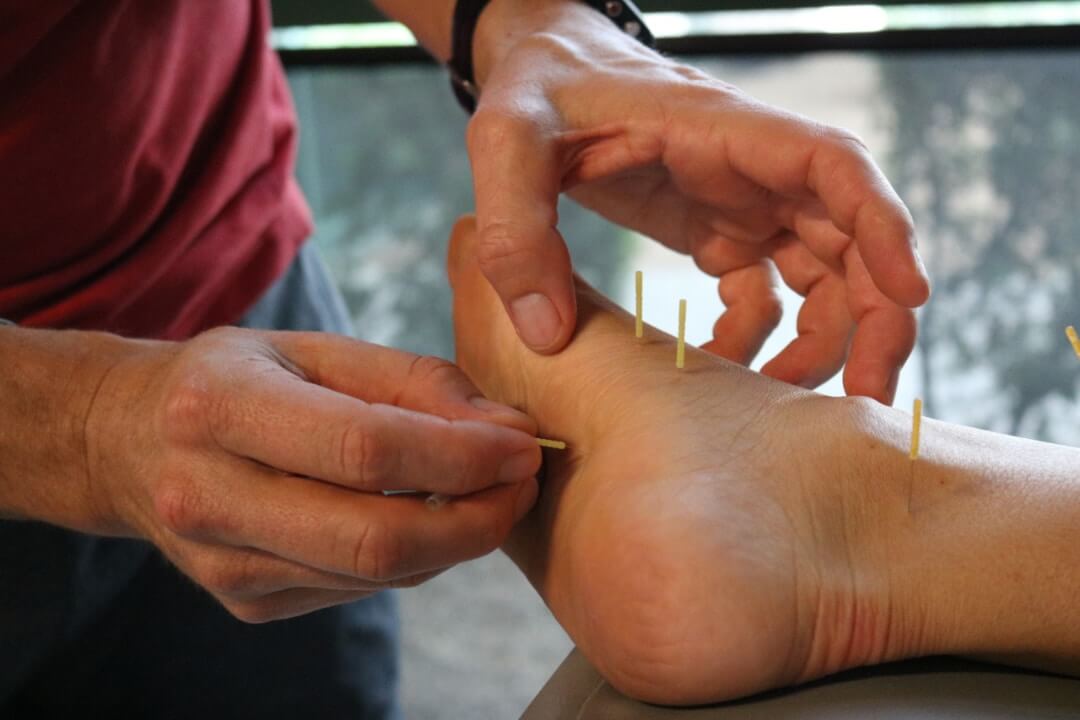
When it comes to relieving muscle pain, improving mobility, and speeding up recovery, physical therapy offers a variety of effective techniques. One increasingly popular method is dry needling—a treatment that involves inserting thin, sterile needles into trigger points or tight bands within muscles. Despite its name, dry needling isn’t acupuncture; instead, it’s based on modern
Spinal stenosis is characterized by the narrowing of the spinal canal, leading to pressure on the spinal cord and nerves. Common symptoms include pain, numbness, tingling, and weakness in the legs or arms, often exacerbated by standing or walking. This condition can significantly impact daily life, making activities like walking or sitting for extended periods
Hamstring strains are one of the most common musculoskeletal injuries, especially in athletes. They frequently occur in sports involving sprinting, sudden stops, or quick direction changes, such as football, soccer, and track. The incidence of these injuries ranges from 10% to 30% of all athletic injuries, with a higher frequency in explosive lower-limb activities. Hamstring
Facet joint dysfunction is a condition where the small joints located between each pair of vertebrae in the spine—known as facet joints—become irritated or damaged, leading to pain and limited mobility. These joints help stabilize the spine and allow for smooth movement, but when they become inflamed due to injury, arthritis, or repetitive stress, they
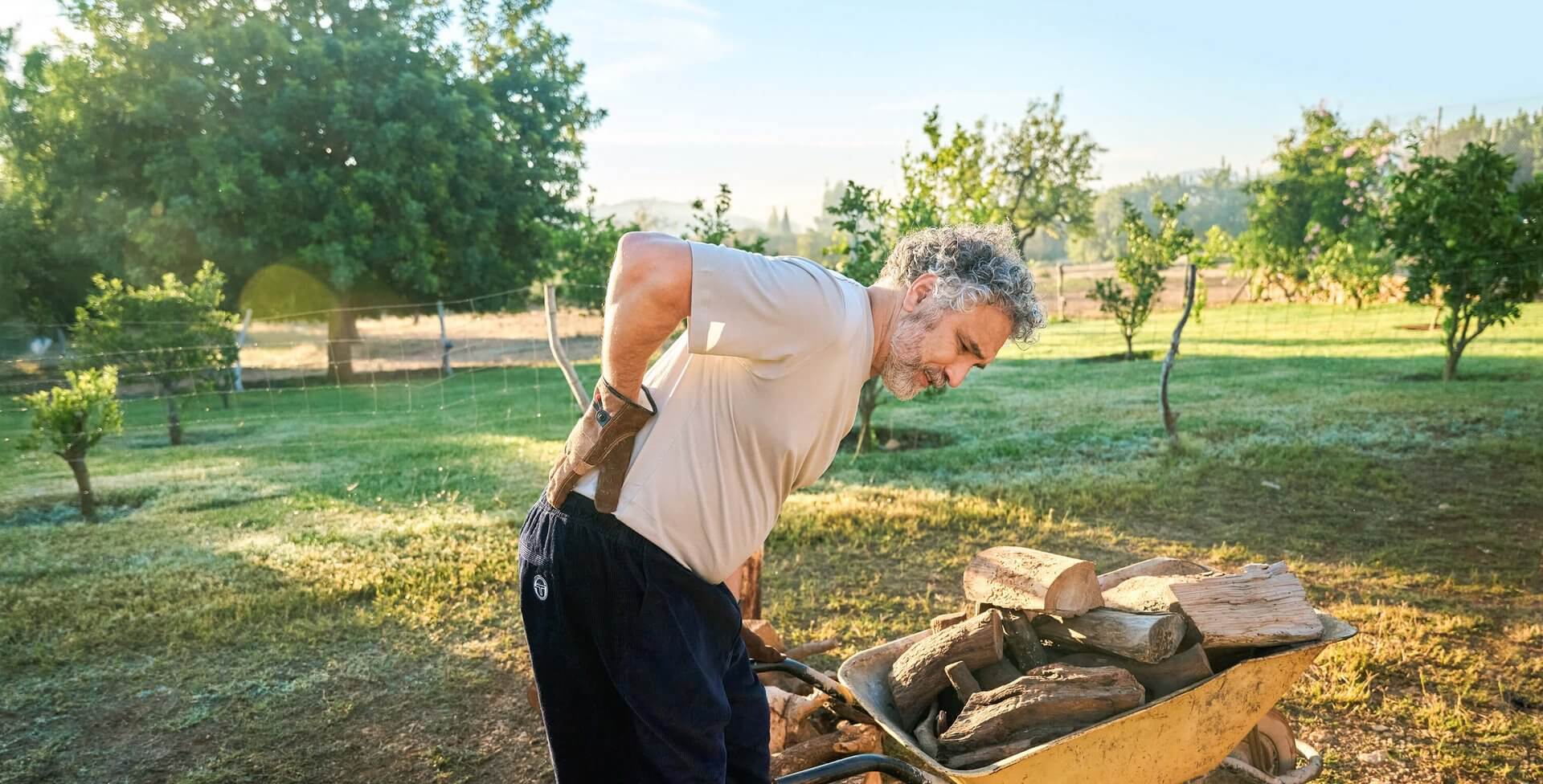
Engaging in yard work activities can lead to a variety of musculoskeletal injuries due to the nature of the tasks involved. These tasks often require repetitive motions, such as raking or digging, which can place strain on muscles and joints due to overuse. Additionally, many yard work activities involve awkward postures, such as bending over