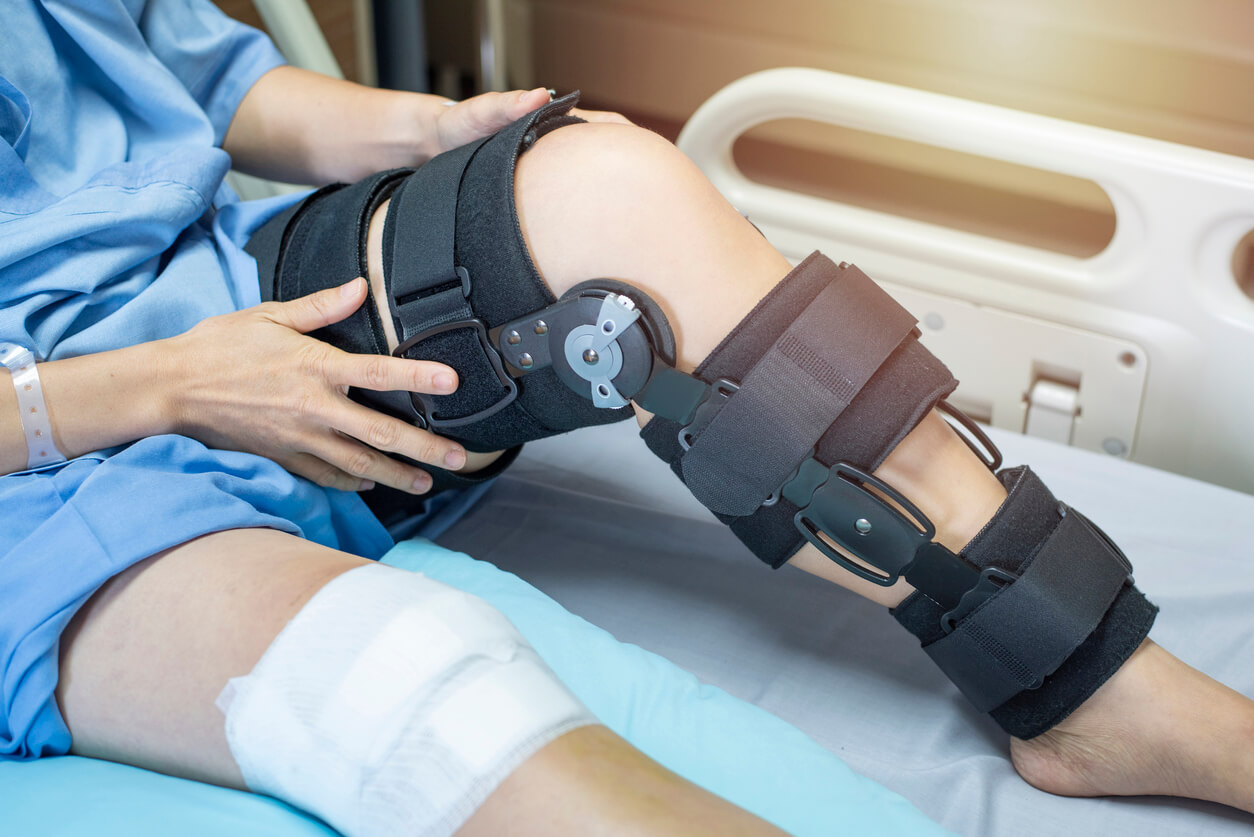
Knee injuries are one of the most common injuries seen in both athletes and active adults, and one of the most frequently injured structures in the knee is the ACL, or anterior cruciate ligament. You may have heard about ACL injuries when professional athletes go down with knee injuries, but ACL tears can happen to
An ACL tear is one of the most common and frustrating knee injuries, especially for athletes and active individuals. The anterior cruciate ligament (ACL) is a key stabilizer in your knee that keeps it from shifting or giving out during movement. But when it tears, it can dramatically affect your mobility, performance, and confidence. This
Arthrogenic muscle inhibition (AMI) is a phenomenon that often occurs after an anterior cruciate ligament (ACL) injury or surgery, where the body’s muscles around the injured joint become inhibited or unable to activate fully due to pain, swelling, and joint instability. This inhibition is a protective response that can lead to muscle weakness, atrophy, and
Several factors contribute to the decision to undergo joint replacement surgery, primarily involving the severity of joint damage and the impact on daily life. Common conditions leading to this consideration include osteoarthritis, rheumatoid arthritis, and post-traumatic arthritis, which can cause significant pain, stiffness, and loss of mobility. Age is another critical factor, as older adults
Pre-operative rehabilitation or “prehabilitation” has been recommended more and more in recent years. Surgeons will commonly encourage this for those who are planning to undergo an ACL (anterior cruciate ligament) reconstruction. Recent evidence has shown that engaging in prehabilitation can promote better outcomes during the post-operative rehabilitation process and beyond. Benefits of Prehab The typical