If you’ve ever felt a sharp or burning pain along the outside of your knee during a run or after a long walk, you might have encountered IT band syndrome. Short for iliotibial band syndrome, this common overuse injury affects runners, cyclists, and even people who spend long hours on their feet. The iliotibial (IT)
De Quervain’s tenosynovitis is an irritation of two tendons that run along the thumb side of the wrist: the abductor pollicis longus (APL) and extensor pollicis brevis (EPB). These tendons help move the thumb away from the hand and extend the thumb. They pass through a narrow compartment near the wrist. Repetitive movement or increased
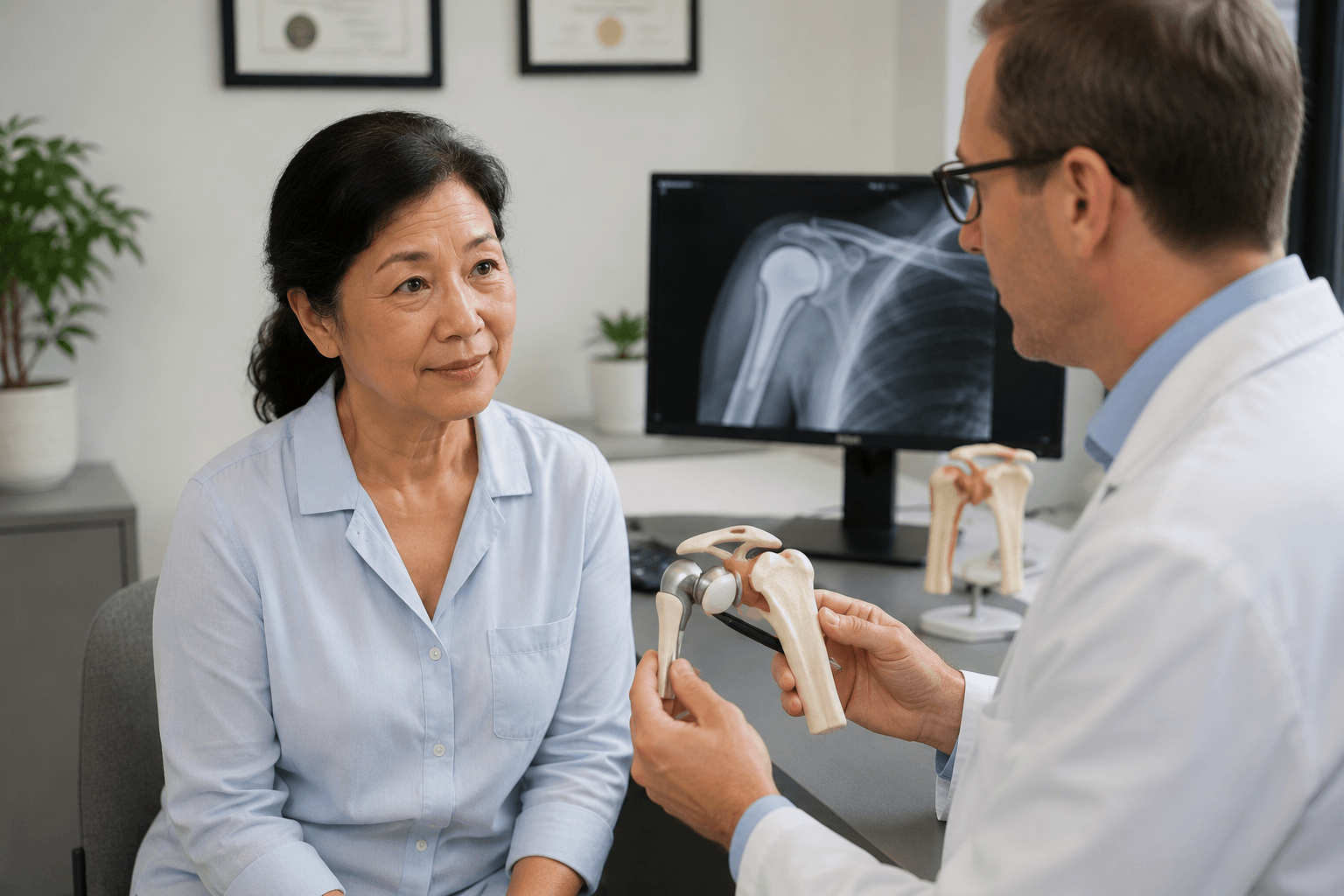
Shoulder replacement surgery is a procedure used to replace damaged parts of the shoulder joint with artificial components in order to relieve pain and improve movement. This surgery is most commonly performed when the shoulder has been severely affected by conditions such as arthritis, fractures, rotator cuff injuries, or long-term wear and tear. Over time,
Whether you’re a competitive athlete, a weekend warrior, or simply enjoying a walk around your neighborhood, a hamstring strain can quickly put your daily activities on hold. Hamstring injuries are among the most common muscle injuries, affecting people of all ages and activity levels. The good news? With the right treatment, most people can recover
If you have ever experienced hip pain or a sharp, shooting ache down the back of your leg, you might have heard about the piriformis muscle. Despite its relatively small size, this flat, band-like muscle located deep inside the buttocks plays a massive role in how your hips, pelvis, and lower body move. But what
As we grow older, it’s normal to notice some changes in our strength and energy. However, significant muscle loss isn’t simply an unavoidable part of aging. It may be a condition called sarcopenia—a progressive loss of muscle mass, strength, and function that can affect mobility, balance, and overall quality of life. The good news is
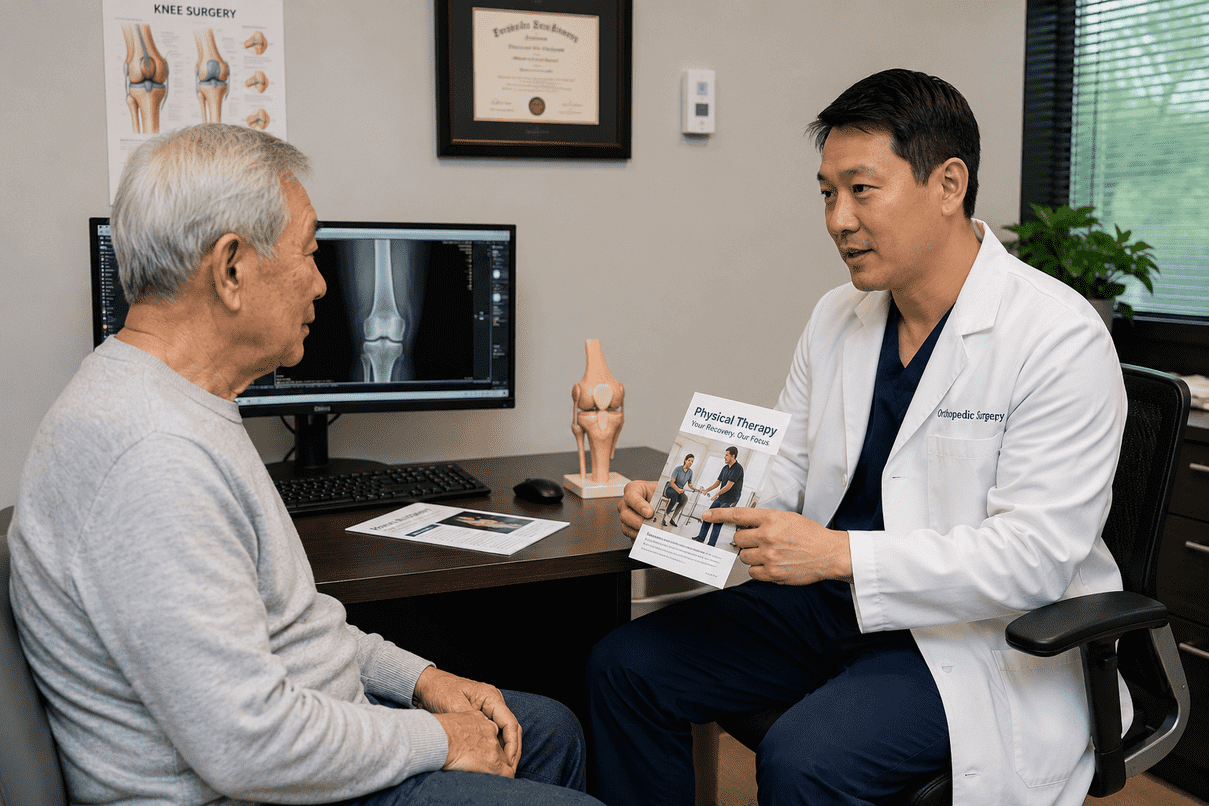
Surgery is like a marathon; while you focus on the big day, the real recovery work starts afterward. Physical therapy is your bridge to normal life. For the best results, your surgeon and therapist must be aligned. Ask these essential questions before your procedure to ensure a smooth recovery. The Big Picture: Timeline and Expectations
Shoulder instability can make everyday activities feel unpredictable. Whether you’re reaching for something on a high shelf, throwing a ball, or simply lifting your arm, an unstable shoulder can cause pain, weakness, or the unsettling sensation that the joint might “give out.” Fortunately, physical therapy is one of the most effective ways to restore stability,
Ankle injuries are among the most common injuries affecting athletes and active individuals. Whether you are a runner, basketball player, soccer player, or simply enjoy staying active, improving ankle strength and stability can help reduce your risk of sprains and other ankle related problems. Here are five effective exercises to help keep your ankles healthy