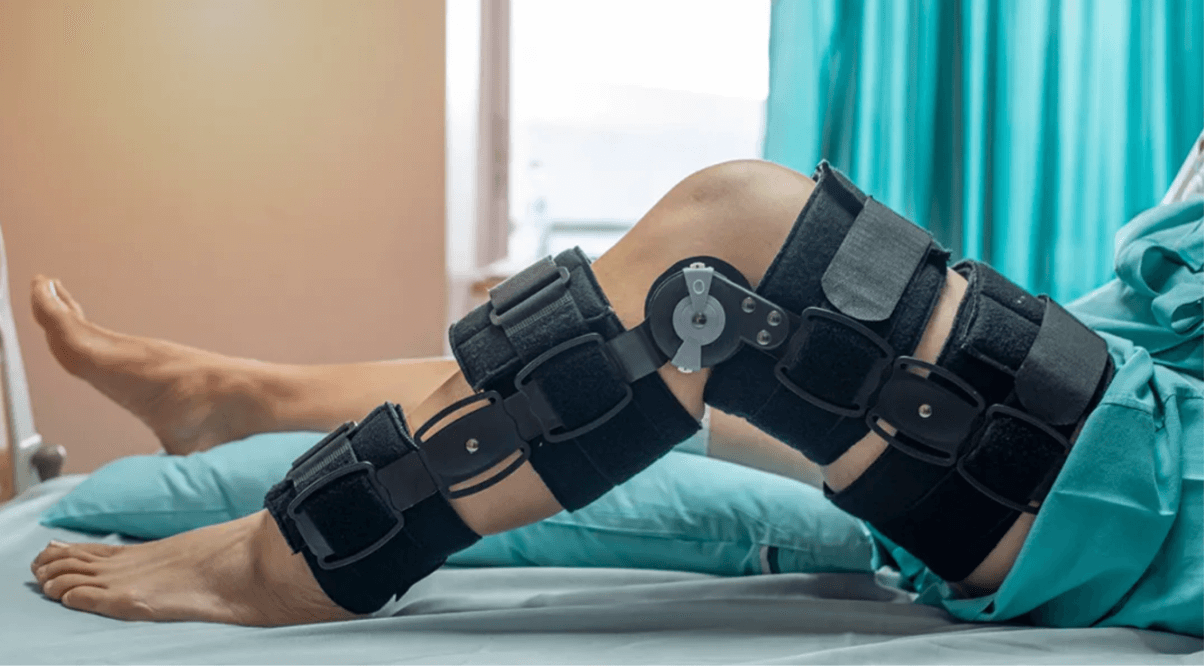
Knee injuries are one of the most common injuries seen in both athletes and active adults, and one of the most frequently injured structures in the knee is the ACL, or anterior cruciate ligament. You may have heard about ACL injuries when professional athletes go down with knee injuries, but ACL tears can happen to
An ACL tear is one of the most common and frustrating knee injuries, especially for athletes and active individuals. The anterior cruciate ligament (ACL) is a key stabilizer in your knee that keeps it from shifting or giving out during movement. But when it tears, it can dramatically affect your mobility, performance, and confidence. This
Arthrogenic muscle inhibition (AMI) is a phenomenon that often occurs after an anterior cruciate ligament (ACL) injury or surgery, where the body’s muscles around the injured joint become inhibited or unable to activate fully due to pain, swelling, and joint instability. This inhibition is a protective response that can lead to muscle weakness, atrophy, and
The anterior cruciate ligament (ACL) provides significant support to the knee. After a tear, shifting can occur between the femur and the tibia and can cause pain, swelling, and significant instability. Regardless of whether a surgery is determined to be appropriate, improving the stability of the knee is very beneficial and can help improve functional
Do you experience knee instability? Are you worried about changing directions when walking because you are afraid of sharp knee pain? Do you favor one leg more than the other? Knee irritation with certain movements is a sign that your Anterior Cruciate Ligament (ACL) may have too much laxity or that your ACL is damaged.